A technique not always associated with painting but it has been used by some fine artists. One might not even realise that one is looking at this technique. #Sgraffito is the scratching away of one layer to reveal another. In painting, one coat of paint is applied and left to dry. When dry a second layer of a varying colour is applied. The artist then uses a palette knife or a scraping tool ( even the non-bristled end of the paint brush) to scrape away the top coat to reveal an image displayed in the original colour.  The piece displayed here is one I picked up a few days ago. It does not use multiple layers of paint. It begins with a layer of grey watercolour on artist paper. The artist has then rubbed and etched/cut into the paper (thus allowing shadows to appear in the deeper cuts) to reveal the scene he has chosen. Here a ship is seen floundering close to a pier and the sgraffito is well used in the portrayal of the waves and the outlining of the ship and pier.
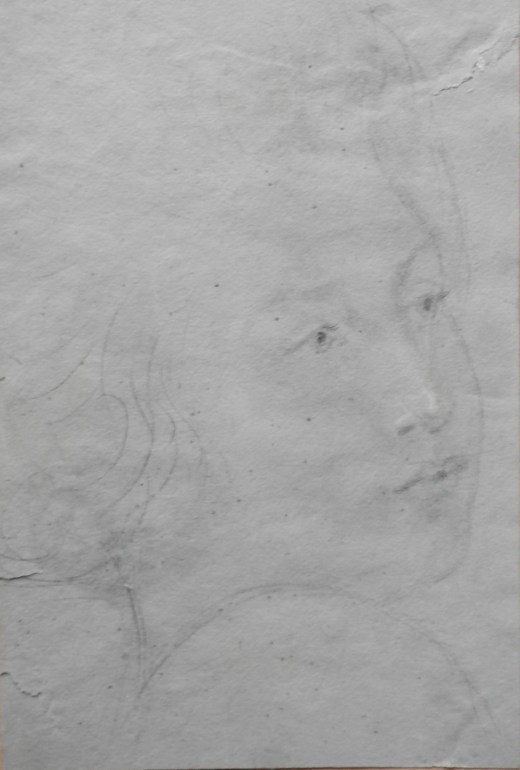 Briggs was elected a member of the Royal Academician (RA) in 1832. From this point on he devoted his artistic life to portraiture even though his historical scenes were quite fine.
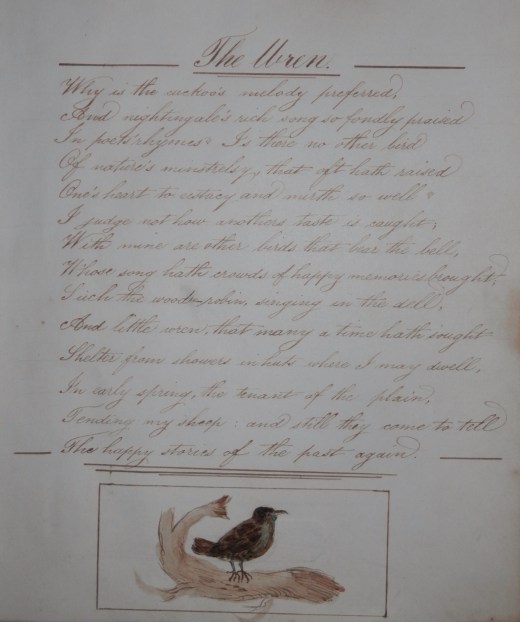 This hand written edition of the poem #The Wren comes from 1864. It was the second sheet of a pair. The first is displayed as the second image here.
  Possibly written by a Master Wallis on June 22, 1864. I have not found a publication date for ‘The Wren’ but John Clare is considered its’ author. John Clare died in May of 1864. Both sheets of paper bear an 1862 watermark.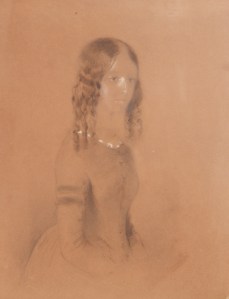
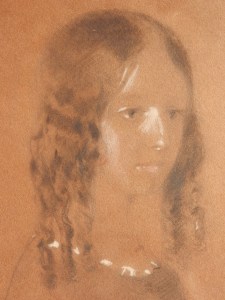 Here are two images of the portrait I own and now I wish to show you a couple of images found on line of the young #PrincessVictoria. I see quite a resemblance from the known images to my artwork.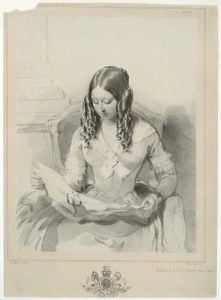
 The royals have always been a popular choice to portray and many a fine artist has attempted it. My portrait comes from 1836 which would make Victoria 17 years of age (1 year prior to her taking the throne). The portrait bears a date 1836 and a stylised ‘A’ (I think) which might stand for #Alexandrina, which was Victoria’s first name. Which would make this image a possible self-portrait. Victoria was known to be a very respectable artist. My artwork also bears the name Ellen Douglas but she could not have been the artist since she would have been 12 years old (a gift to a friend perhaps). It is certain she knew Victoria and likely spent a good deal of time with her since she was the daughter of the 17th Earl of Douglas who was a Scottish Tory politician who spent time at Westminster in London (House of Lords). I also have a small watercolour which I will set beside another portrait of the young princess.
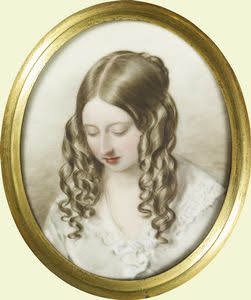 After looking at more online images, another thought has crossed my mind. Queen Victoria’s husband Albert was also a fine artist. This can be seen in the drawings held by the Royal Collection. He at times is signified by a stylised ‘A’. Might this be a portrait of the young Victoria by her yet to be husband. I think both of the portraits in my collection might actually be of the young Princess Victoria. I leave you to ponder the images and what might be.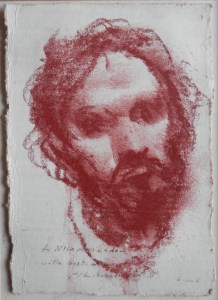
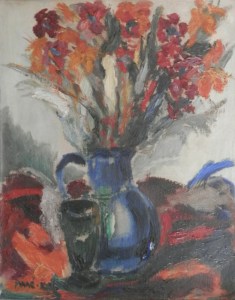 In 1921, he again returned to Paris, where this time he met and became friends with Pablo Picasso. He was associated with the group of artists known as the #SchoolofParis and was considered a member of the #JewishSchoolofParis.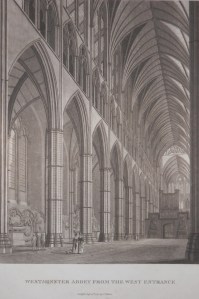
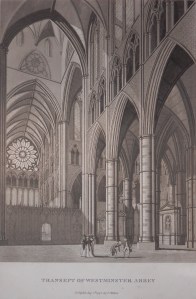 The magnificent #WestminsterAbbey. All the images, I have, are of the interior of the Abbey. Portraying its’ majesty and exquisite design.
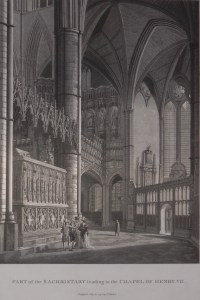 For all his success as an artist, Malton loved to teach. You might actually have heard of a couple of his students, Thomas Girtin and JMW Turner. That’s what you call a legacy.
 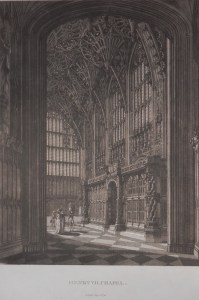 Meticulously rendered. An homage to one of the great places in Britain.
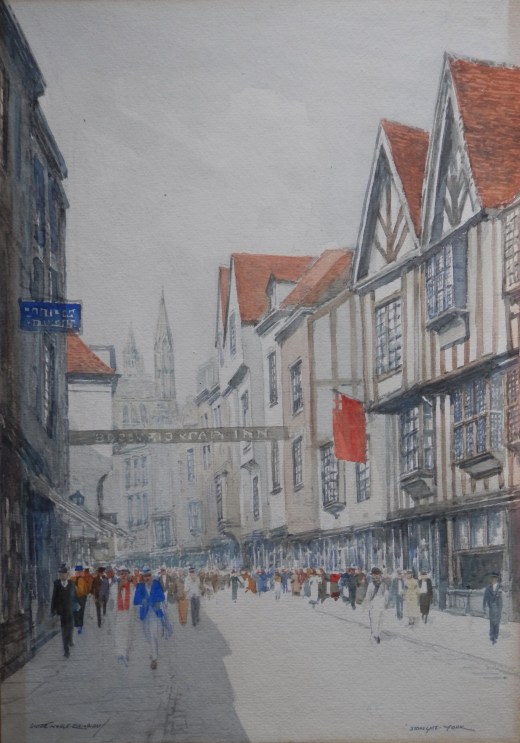 His paintings predominately portray the north of England although he did travel into Europe (France, Belgium, and the Netherlands. His European works mostly display Dutch fisher folk, Rouen, Amiens and Dieppe. While his British scenes display the sea and seafront around North Shields and numerous British city scenes.
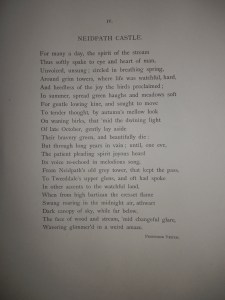
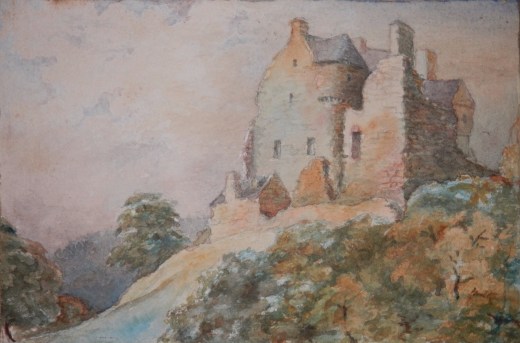 The castle has seen a lot of history but can only be visited by appointment, nowadays. The tower dates back to the 14th century but major renovations and alterations occurred during the 16th and 17th centuries. Neidpath Castle was the longest surviving bastion against Cromwell but even it fell due to the incredible damage done by cannon barrages which led to the defenders surrender. The castle was visited by Mary Queen of Scots in 1563 and was an inspiration to Sir Walter Scott and William and Dorothy Wordsworth. It has been the set of a number of movie scenes which include The Bruce, Merlin, and Joan of Arc.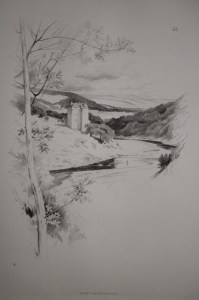
-
Recent Posts
Archives
- April 2026
- March 2026
- February 2026
- January 2026
- December 2025
- November 2025
- October 2025
- September 2025
- August 2025
- July 2025
- April 2025
- March 2025
- February 2025
- January 2025
- December 2024
- November 2024
- October 2024
- September 2024
- July 2024
- April 2024
- March 2024
- January 2024
- October 2023
- September 2023
- August 2023
- July 2023
- June 2023
- April 2023
- March 2023
- February 2023
- December 2022
- November 2022
- October 2022
- September 2022
- August 2022
- July 2022
- June 2022
- April 2022
- March 2022
- February 2022
- January 2022
- December 2021
- November 2021
- October 2021
- September 2021
- August 2021
- July 2021
- June 2021
- May 2021
- March 2021
- February 2021
- January 2021
- December 2020
- November 2020
- October 2020
- September 2020
- August 2020
- July 2020
- June 2020
- May 2020
- April 2020
- March 2020
- February 2020
- January 2020
- December 2019
- November 2019
- October 2019
- September 2019
- July 2019
- June 2019
- May 2019
- April 2019
- March 2019
- February 2019
- January 2019
- December 2018
- November 2018
- October 2018
- September 2018
- August 2018
- July 2018
- June 2018
- May 2018
- April 2018
- March 2018
- February 2018
- January 2018
- December 2017
- November 2017
- October 2017
- September 2017
- August 2017
- July 2017
- June 2017
- May 2017
- April 2017
- March 2017
- February 2017
- January 2017
- December 2016
- November 2016
- October 2016
- September 2016
- August 2016
- July 2016
- June 2016
- May 2016
- April 2016
- March 2016
- February 2016
- January 2016
- December 2015
- November 2015
- October 2015
- September 2015
- August 2015
- July 2015
- June 2015
- May 2015
- April 2015
- March 2015
- February 2015
- January 2015
- December 2014
- November 2014
- October 2014
- September 2014
- August 2014
- July 2014
- June 2014
- May 2014
- April 2014
- March 2014
- February 2014
- January 2014
- December 2013
- November 2013
- October 2013
- September 2013
- August 2013
- July 2013
- June 2013
- May 2013
- April 2013
- March 2013
- February 2013
- January 2013
- December 2012
- November 2012
- October 2012
- September 2012
- August 2012
- July 2012
- June 2012
- May 2012
Categories
Meta
 ronsartblog