I certainly am not knowledgable enough in the area of Chinese porcelain and it is not something that I regularly collect but every once in a while I come across a piece that catches my eye. Such is the case with this piece of Kangxi (1662 – 1722) porcelain – I think. The blue colour is derived from cobalt oxide which is then painted onto a white clay. It then is covered by a clear glaze and baked in a kiln oven at very high temperatures. 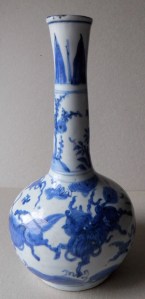
 Blue and white porcelain wares appear to have their beginning in the Tang dynasty (618-907). The quality of both porcelain and artwork improved and some believe peaked during the Yuan dynasty (1271-1368). During the 14th century this blue and white porcelain began to be mass produced with quality being carefully monitored.
 The blue and white pottery industry became more important during the Ming (1368-1644) and Qing (1644-1911) dynasties. It was at this time that it became a commodity on the international trade market and expanding to become a worldwide commodity. Blue and white wares are common to this day in daily life in forms ranging from dinner sets to vases.
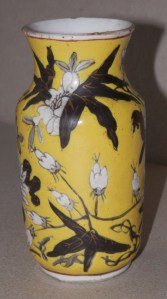
And to finish a small piece made with a yellow and brown glaze with a favourite dragon image. 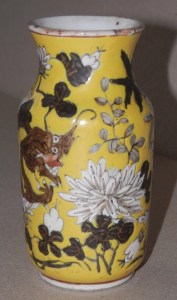


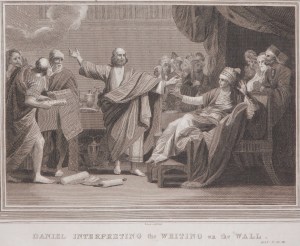 His publishing house was equipped for copperplate engraving, etching, mezzotinting, aquatinting, and lithography. Scott introduced the art of steel engraving to Edinburgh. He died early in 1841.
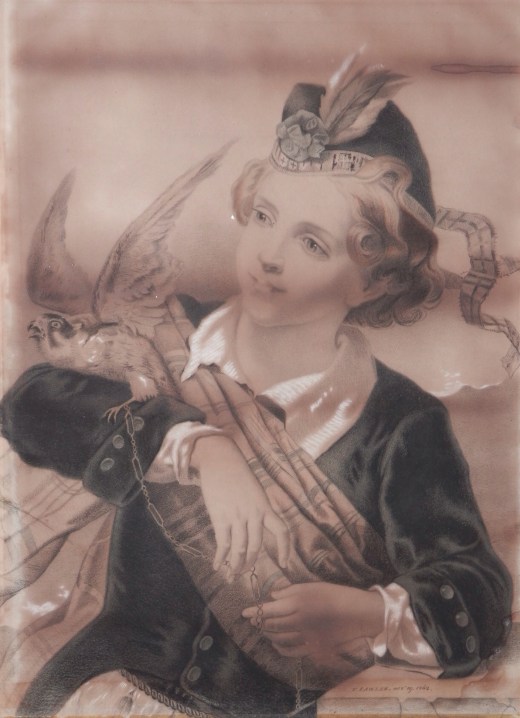
 Paper is an amazing concept. We fold it, mould it, pierce it, print on it, paint on it, etc. The pieces which I display in this post show a number of combinations to which paper has been put to use. The first is a keepsake card/bookmark with moulded and pierced edges surrounding a printed etching. The second is another with moulded edges (far more extensive) enclosing a printed image.
 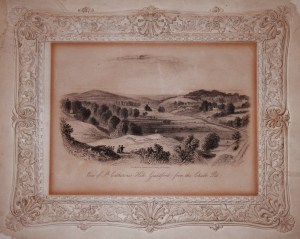 The final piece is one which has been embossed, impressed, pierced, cut, coloured, layered, and printed. The creation of something unique and personal.
  Paper an invention which changed the world and continues to influence the world of art. An amazing and versatile creation.
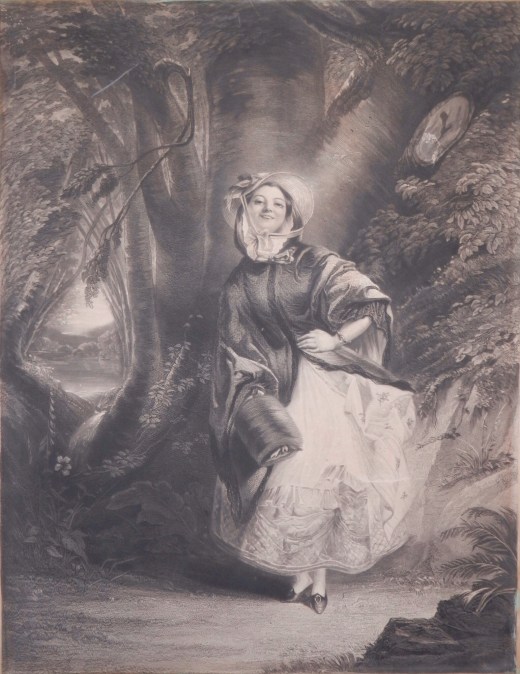 Dolly Varden is a young lady in Dickens’ Barnaby Rudge. #BarnabyRudge was produced by Dickens during 1840-41 in serial form. It was intended to be Dickens’ first publication in book format but due to publication problems it was actually his fifth published book. If it had been published first, he might have struggled with other books because it is considered to be his weakest effort. Barnaby Rudge is largely set during the Gordon Riots of 1780. The Gordon Riots began as an anti-Catholic protest in London against the Papist Act of 1878. The protests devolved into rioting and looting. The riots also occurred at the height of the American War of Independence and rumours ran that they were influenced by France and Spain in an attempt to weaken Britain.
 Welcome to ‘Christina’s World’. The original of this study hangs in the MoMA in New York as part of it’s permanent collection. It is roughly 32″ by 47″. It was created in 1948 by Andrew Wyeth. The study which is shown here is 10″ by 13″. The fine brushwork used is superb and painstakingly precise, although some of the fine work on the original has been lost due to the reduction in size. There are also a number of minor variations in the rendering, evenso, this is a finely painted study by RC Maddison.

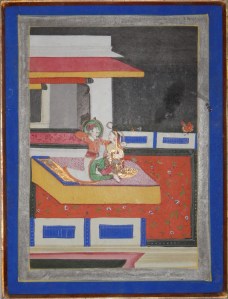
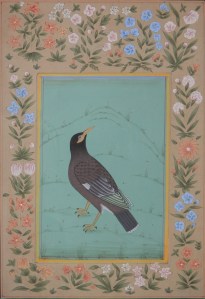
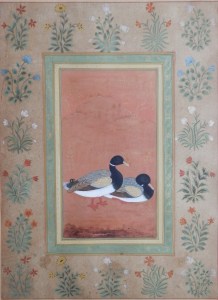
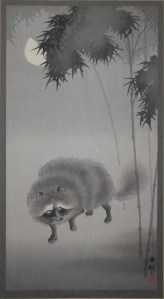
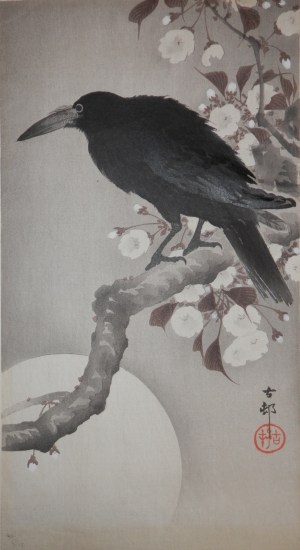 In Tokyo, Koson worked with a number of publishers. He concentrated on works which portrayed birds and flowers although he did produce works – triptychs- illustrating scenes from the Russo-Japanese war.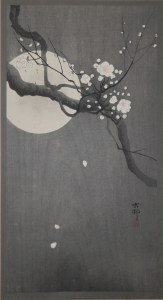
 ronsartblog