#Kabuki is the traditional dance-drama theatre of Japan known mostly for it’s elaborate make-up worn by the performers. Kabuki began in 1603 as a new form of entertainment performed by an all female cast portraying both men and women in short comic plays about ordinary life. It became very popular due to it’s ribald and suggestive themes added to the fact that many of the performers were working prostitutes. In 1629 female kabuki was banned as being to erotic and thus began the all male kabuki which we know today.
The lead actor in kabuki must be able to convey a wide range of emotions. These emotions are also expressed through the colours of their costumes. Gaudy and vivid hues convey foolishness or joy while harsh or muted colours convey seriousness and focus. 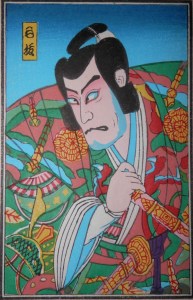
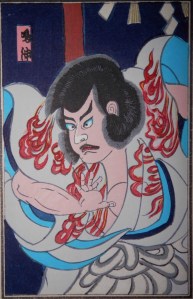
The dramatic stage makeup emphasises the actors emotions. Red for passion, heroism, and other positive traits. Blue or black eschew villainy, jealousy, and other bad traits while green is the colour of the supernatural and purple the colour of royalty.
Every kabuki actor takes a stage name. They are usually handed down from father to son and to following generations. These names hold great honour and are associated with certain roles or acting styles. Each new inheritor of the name must live up to the expectations embodied within that name. An actor might have three different names during his career.
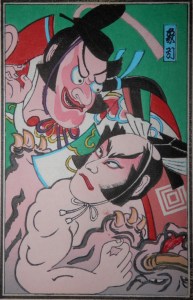 The four woodcuts show kabuki actors in their dramatic makeup and poses which they became reknowned for.
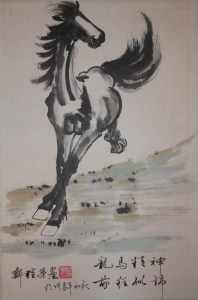
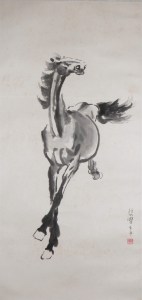 Xu was a master of both oils and ink, even so, most of his works are in the Chinese traditional style. In his endeavour to create a modern national art form, Xu combined Western perspective and compositional techniques with his loved traditional Chinese style. In his teach, Xu emphasised that artistic technique should be subject to the artist concept and life experience.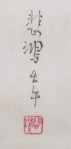

 William Hole (1846-1917) was an English illustrator, etcher and engraver. He was born in Salisbury but after the death of his father, his family moved to Edinburgh. He was educated in Edinburgh and served a 5 year apprenticeship as a civil engineer but truly wanted to be an artist. He was a successful painter and around 1878 he tried his hand at etching and engraving.
 Hole specialised in industrial, historical, and biblical scenes. Although he was an Englishman, his artwork was focused on Scottish story and events. His work as an etcher and engraver was/is highly regarded. His translation of one art-form into another was considered wonderful and should rank him among the greats of that art.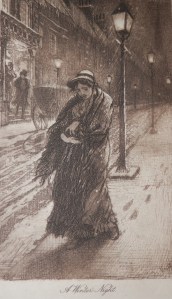
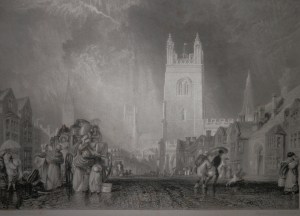 Both line engravings are ‘first state’. The first displayed is #Stamford, Lincolnshire. A line engraving by William Miller. It bears the citations ‘ painted by JMW Turner’ (bl) and ‘engraved by William Miller’ (br) and the Turner Studio blind stamp just off the bottom edge of the image – but no title – even though there is room for it on the sheet.
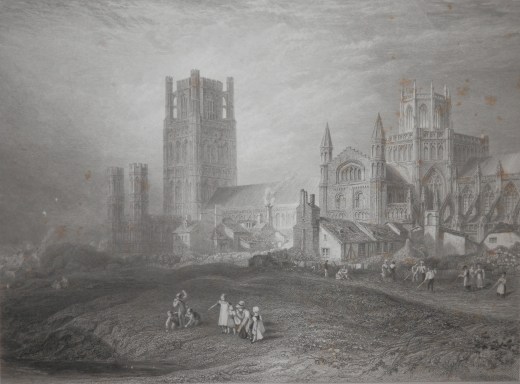 The second image is of the magnificent #ShipoftheFens #ElyCathedral. Again a first state. There is lettering at all – no credits or title – but again has the blind stamp of the Turner Studio just below the image. This plate was engraved by Thomas Higham and certainly displays Turner’s expertise as an architectural draughtsman.
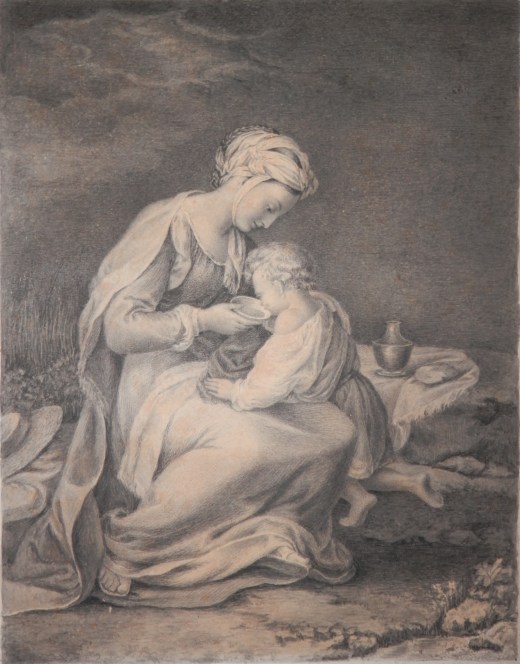 The work in my collection (shown) is a superb monochrome watercolour displaying a mother and child in a desert scene. I took the title from other etchings displaying almost the same image. They were all titled #HagarandIshmael, so I trusted the information. But as with numerous original artworks and their offspring via various artistic fields, they are renamed. The finished oil painting of this image hangs in the Staatliche Kunstsammlungen, Dresden. The title of the oil painting is #MarywiththeChristChild. Why or how the title was changed, we might never know. Certainly the image might represent either of the known titles.

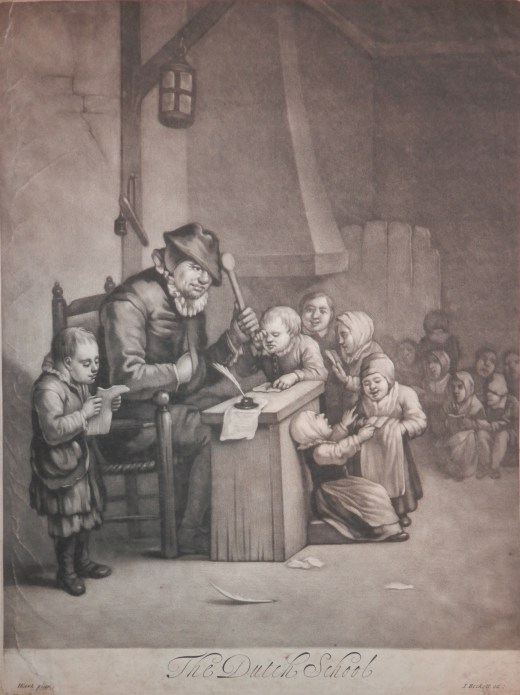 Beckett and an artist by name of Robert Wilson were the first two artists in England who specialised in mezzotint. Beckett was mainly a portraitist although he did engrave biblical and allegorical subjects. All his plates can be dated between 1681 to 1688.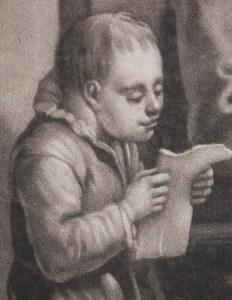
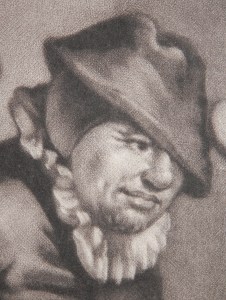 The hand of a master.
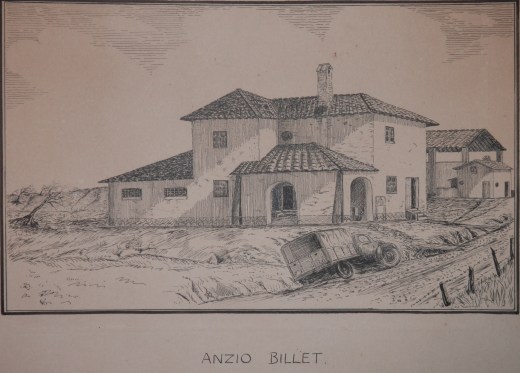 The image shown is an ink drawing by Sergeant K Moss (4697586 – his military ID number) in 1944. Sergeant Moss was a member of the #FieldSecurityService. Their main aim was to gather intelligence/information from prisoners of war and civilians friendly to the Allies. The data collected would then hopefully assist the Allied troops to overcome the Germans. After the war the FSS immediately took to investigating Nazi war crimes and those who perpetrated them.
 The piece displayed here is one I picked up a few days ago. It does not use multiple layers of paint. It begins with a layer of grey watercolour on artist paper. The artist has then rubbed and etched/cut into the paper (thus allowing shadows to appear in the deeper cuts) to reveal the scene he has chosen. Here a ship is seen floundering close to a pier and the sgraffito is well used in the portrayal of the waves and the outlining of the ship and pier.
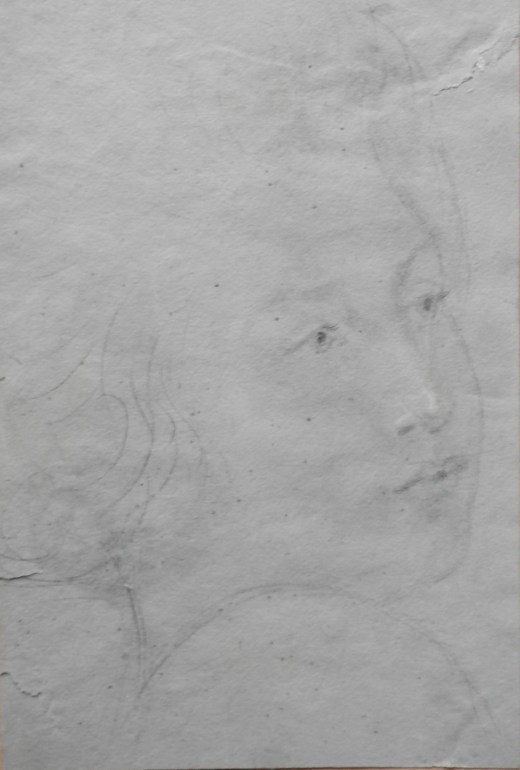 Briggs was elected a member of the Royal Academician (RA) in 1832. From this point on he devoted his artistic life to portraiture even though his historical scenes were quite fine.
 ronsartblog