To most people , the artist #RoyCalne is an unknown entity. They might know him better as a surgeon working in nearby Cambridge. Roy Calne was Professor of Surgery at Cambridge University. His pioneering work was in the use of immunosuppressant drugs to prevent rejection after transplant and grafting surgeries. He performed the first liver, lung, and heart transplant in 1987. Many, many awards have come his way as well as a knighthood.
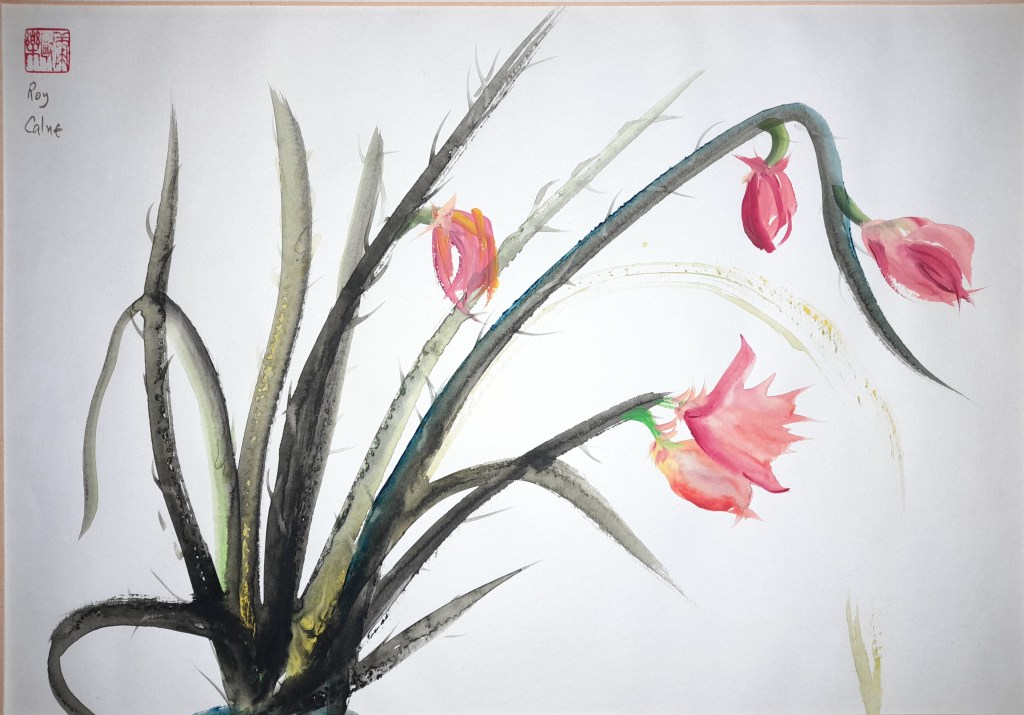
Calne has become a successful painter. His works often depict the clinical procedures which his patients go through.
Canes’ artistic works have become popular around the world as he broadens the knowledge/support for organ transplant. He is a member of the art group ‘Group 90′ in Singapore. This Eastern influence can certainly be seen in todays’ artwork. A use of bright vibrant colours and bold brush strokes lead to a captivating image.

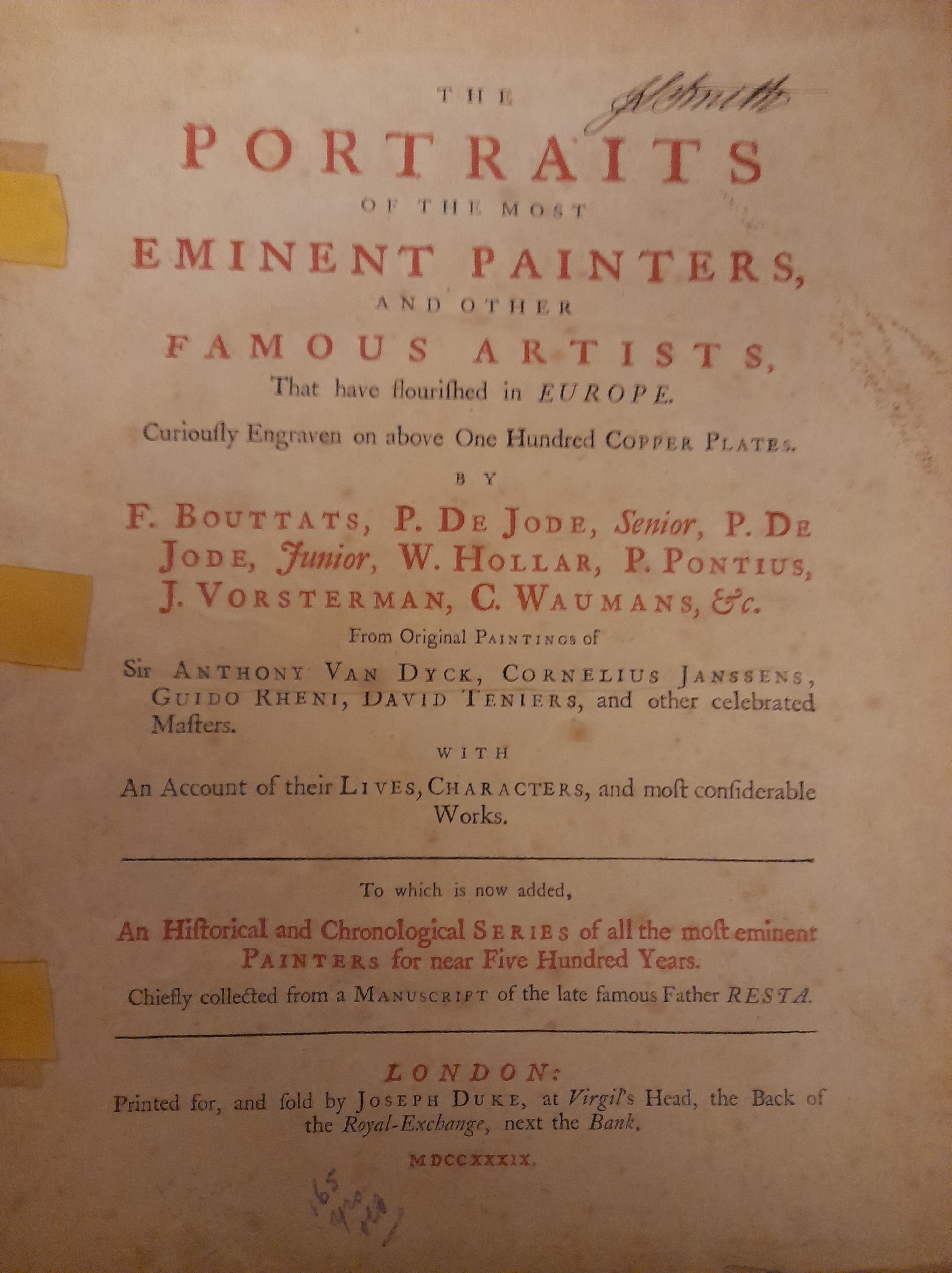 Although the book is not in great shape. It is intact. It contains the an account of 102 painters lives and an added historical/chronological list of prominent painters for over 500 years.
 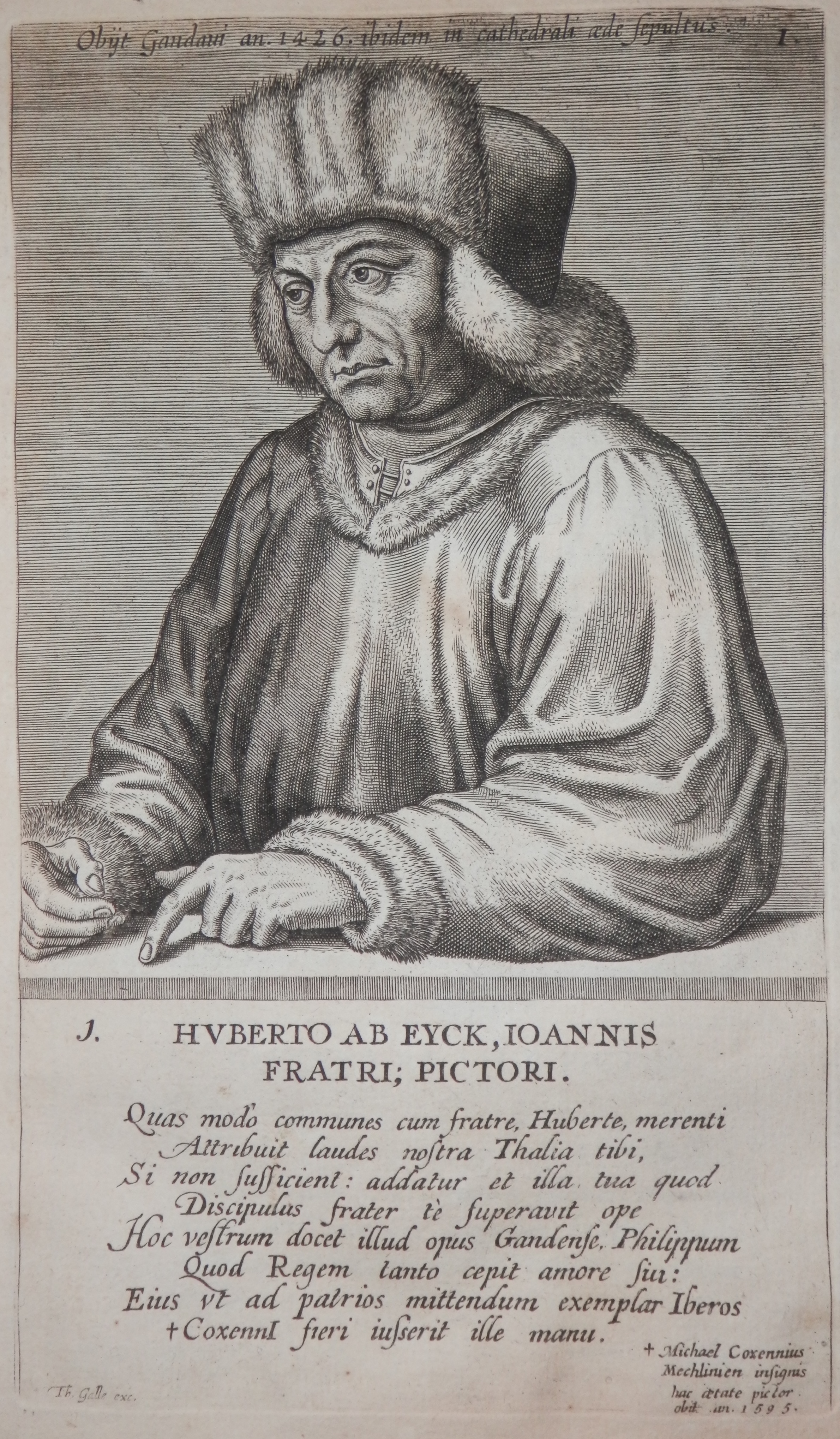 Although the histories and lives are interesting, it is the 102 engraved images of the artist’s that I find beautiful. Published in 1739, this book uses the original etched plates etched plates. Most of these were engraved around 1630, some even earlier.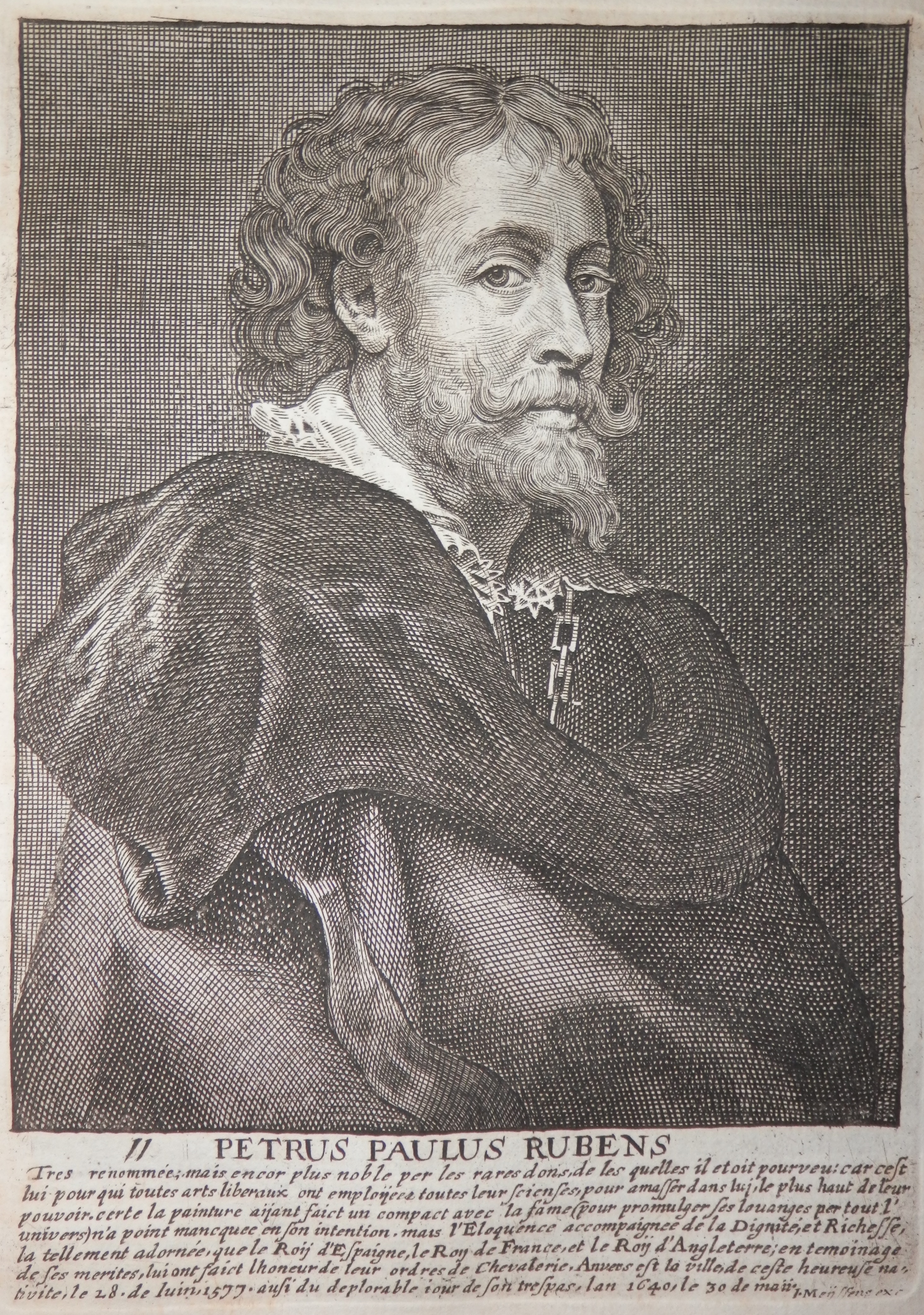
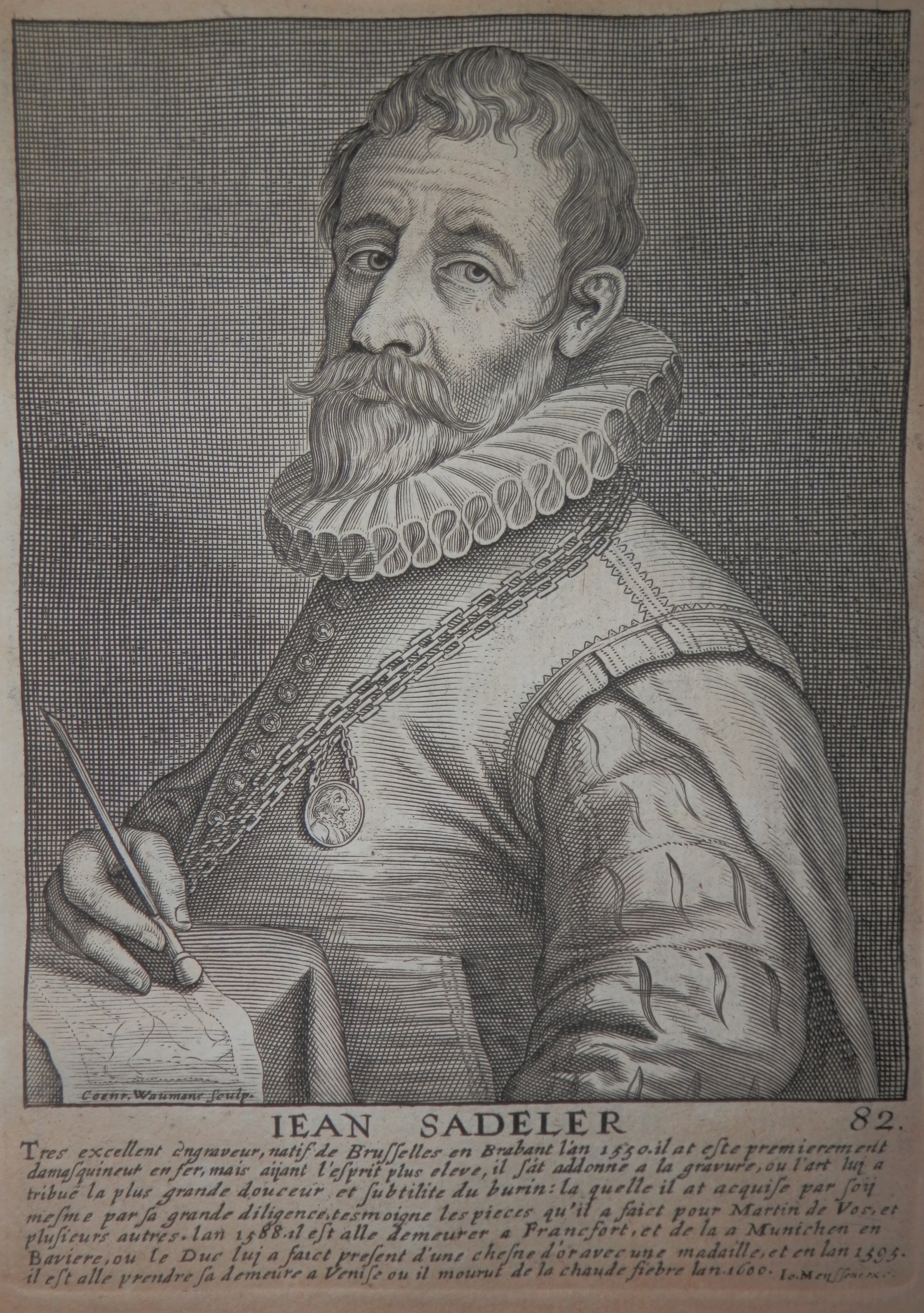 I display only a few of the portraits of some of the better known artists which you might recognise. Wonderfully engraved by some very famous artists too.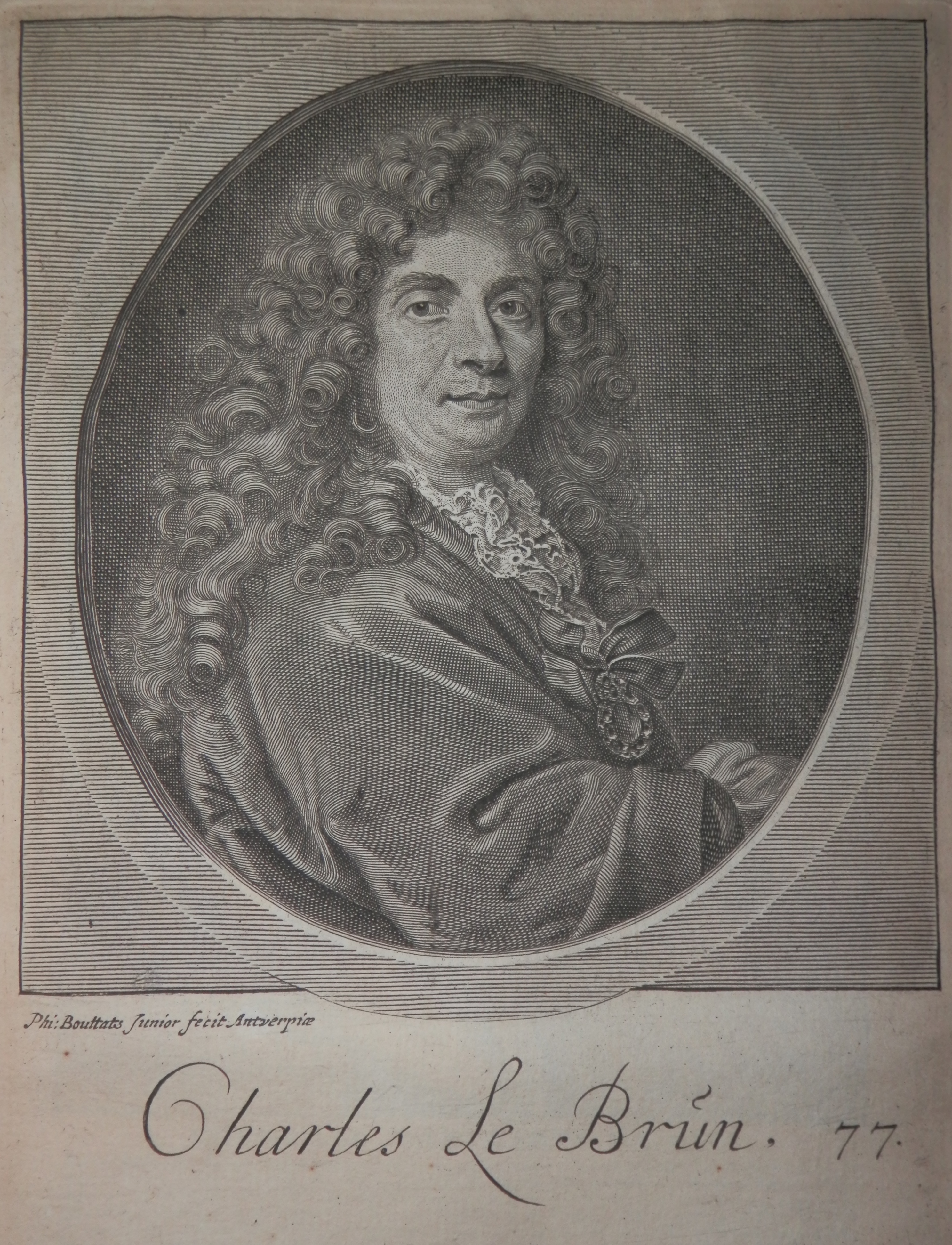
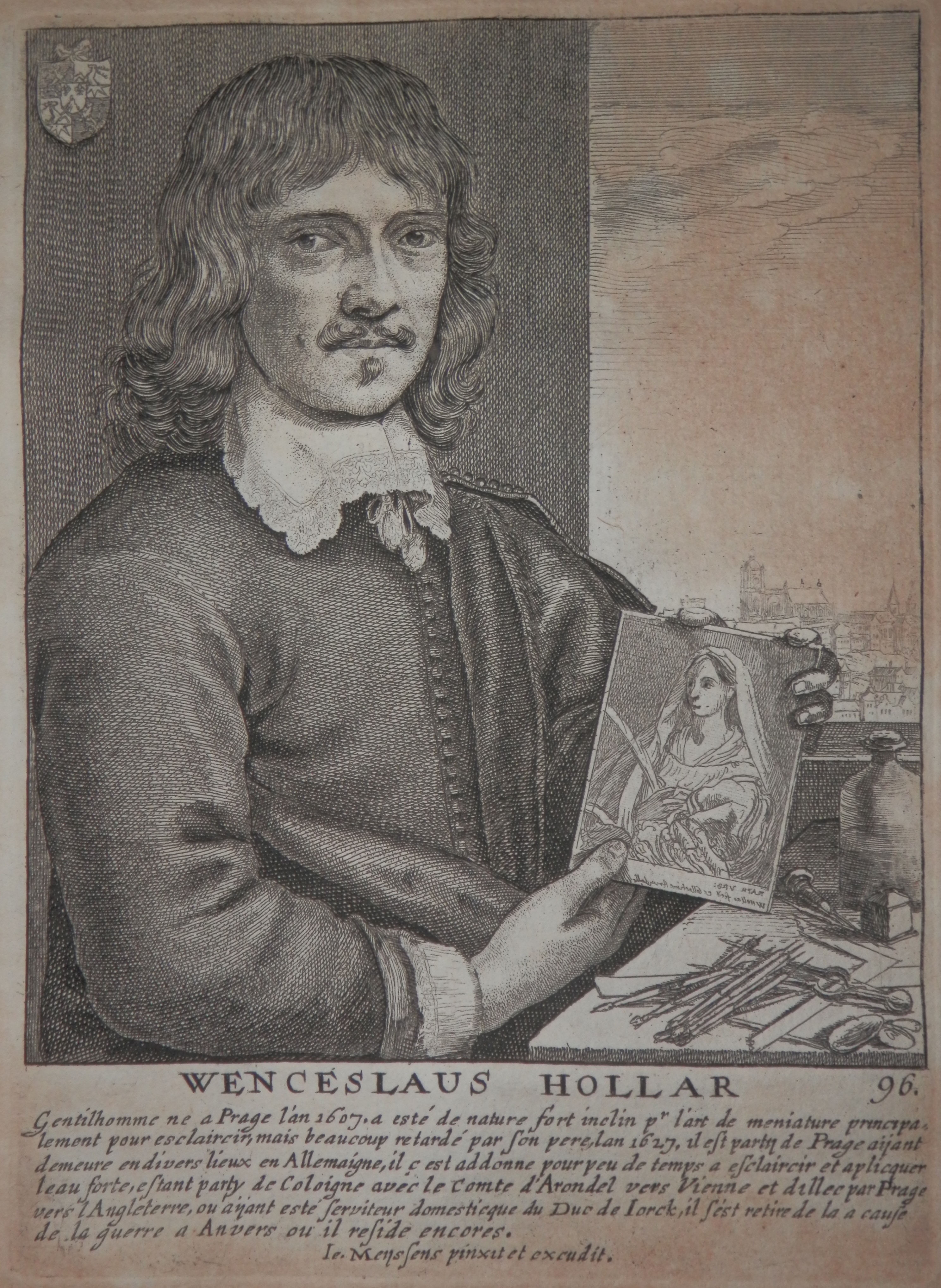 I don’t think I need to say much about the quality of the works. They are consistently fine and being 281 years old have stood the test of time. I hope you enjoy them as much as I.
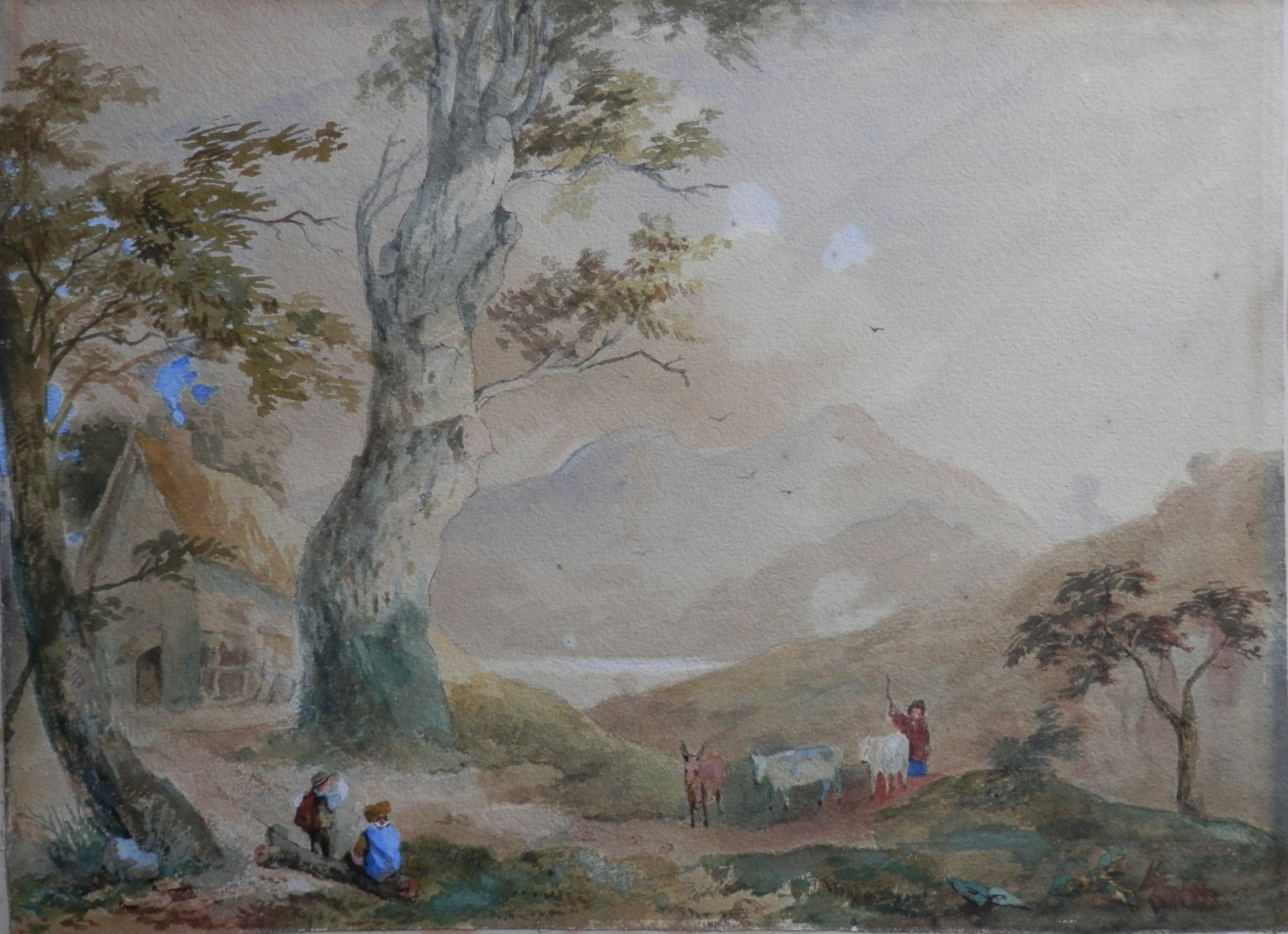 In an earlier time, taking the back roads, one came across scenes like the this. Here, children amuse themselves as the farmer and his wife deal with the harsh realities of farming in such a rugged land. The beauty of such landscapes is little compensation if one cannot feed ones family. But here, I think we see a successful attempt at family and farm.
 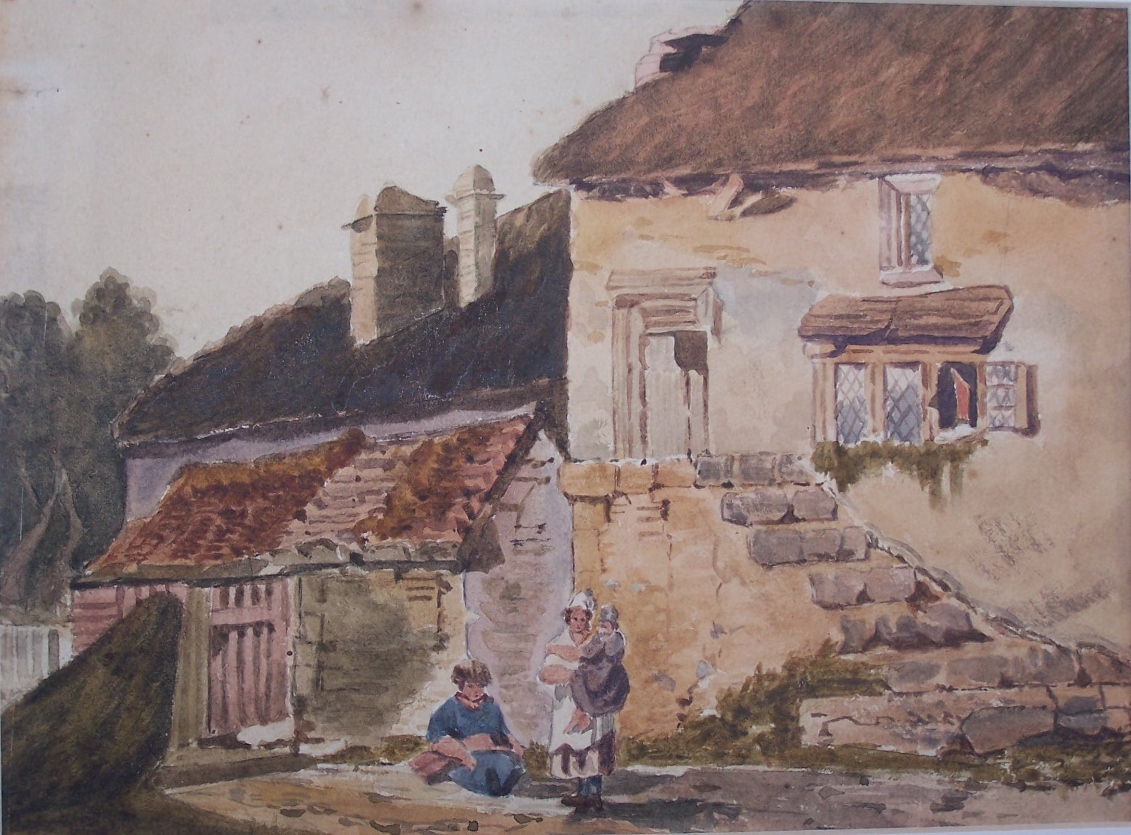 Earlier times saw children sent outside to care for each other and often only came in for meals or when called. A hearty imagination and creativity were a requirement to avoid boredom. Life was not easy. It was often a struggle – against the land, the weather and things beyond ones control but struggle on they did.
 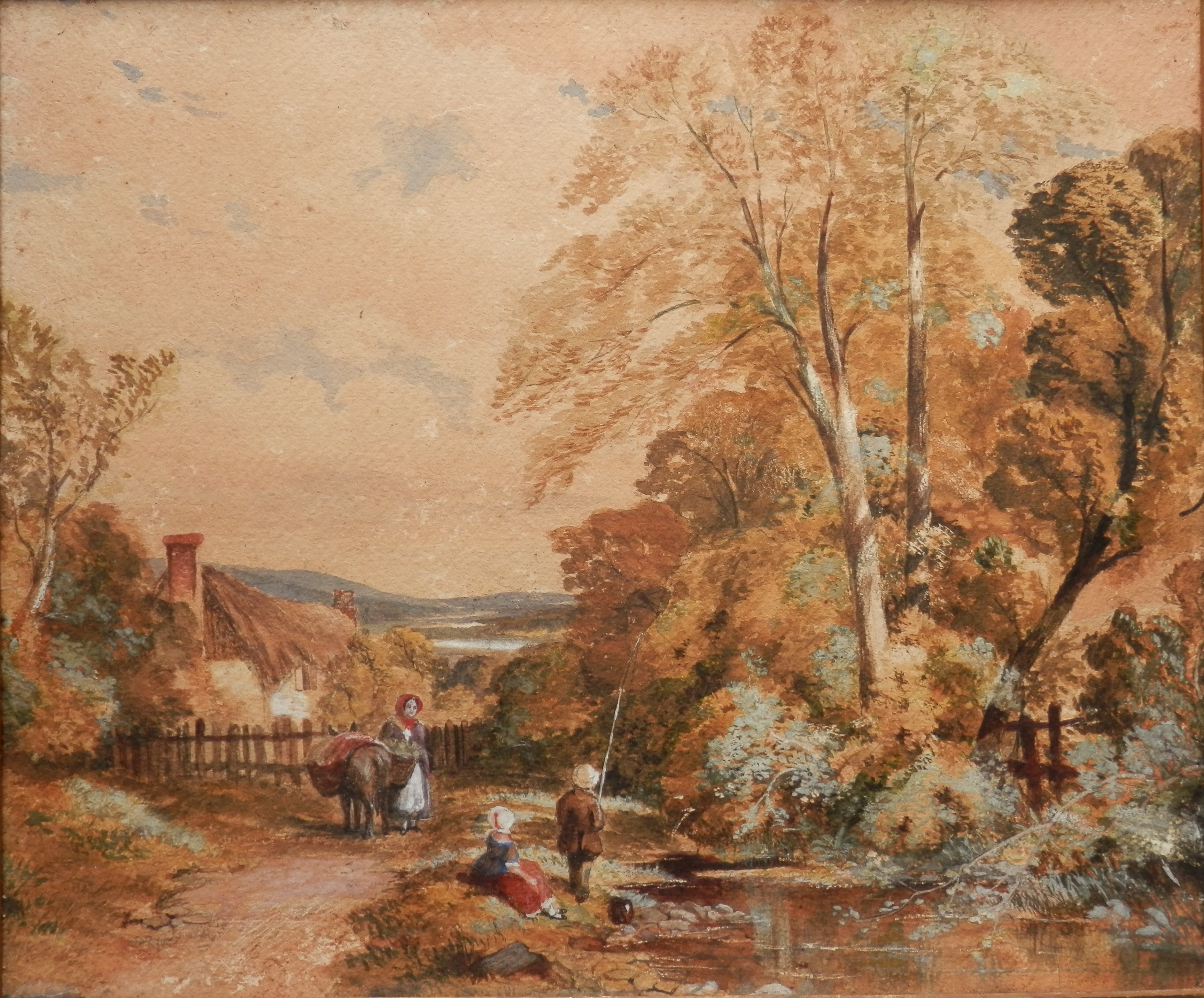 Nowadays, we look on scenes like these and see an idyllic life but I think the reality was very different. Here on the back roads there is beauty to be found but often that is just the glossy cover to a deep and epic struggle to survive. A fight to provide more for your children. A better life. One in which they might have more time to revel in the beauty that surrounds them.
 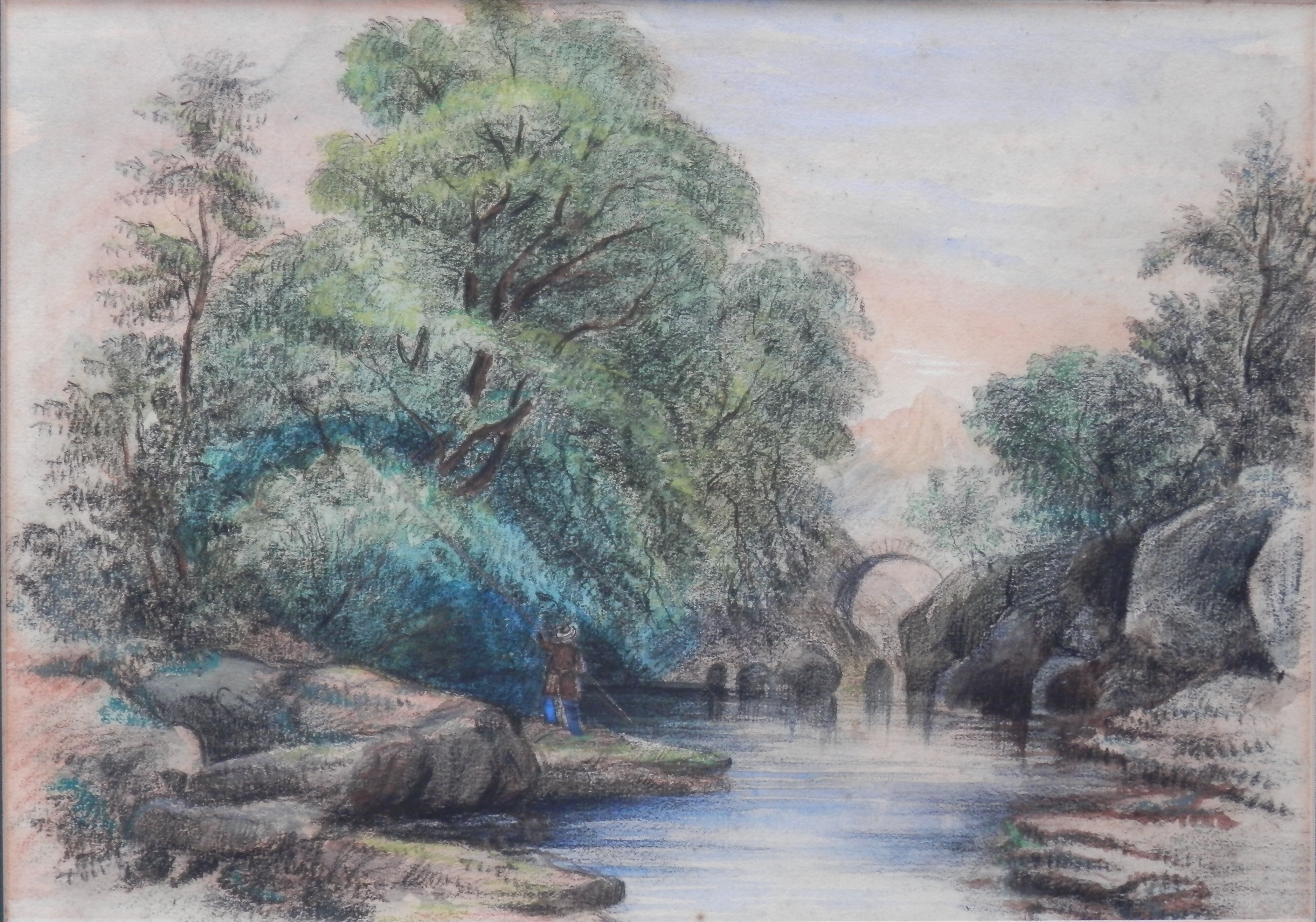 Even today, we strive to provide our children with a better life – with more than we had when growing up. That is not a bad thing but just maybe we also need to stop, take a deep breath, and look around us to see the beauty in the place where we are. When I was younger, I was told that being around young children would keep me young. I am a grandfather and I can tell you that that is not true. I know I am getting older – my body reminds me often enough – but the thing that my granddaughter gives to me is not stamina or youth but she has reignited in me the joy, the wonder and awe in almost anything and everything which she sees so easily and I over time had become oblivious to. There is joy and beauty to be found even in the struggles of life.



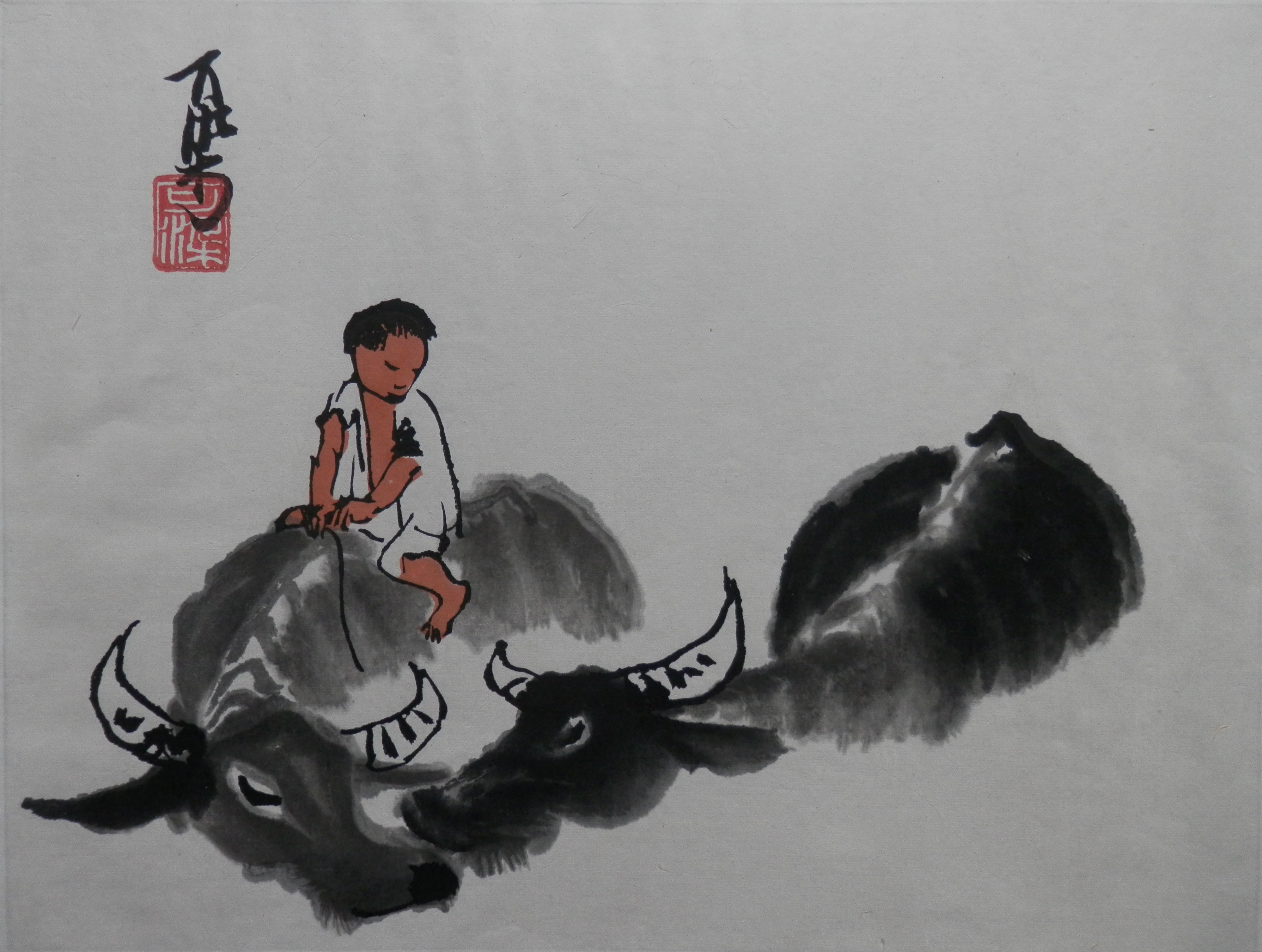 The appreciation of his work grew leading to an invitation (1946) via Xu Beihong to join the faculty at the Beijing National Art College. There he was mentored by Qi Baishi and Huang Binhong. Neither traditionalist nor reformist, Li is rather a painter remembered as a pioneer. A man who led the way in combining traditional and modern techniques into a new expression. The watercolour in my collection is signed ‘Keran’ and has one artist seal. It shows a young herdsman riding a water buffalo with another nearby. It displays his wonderful technique of shading using ink and wash.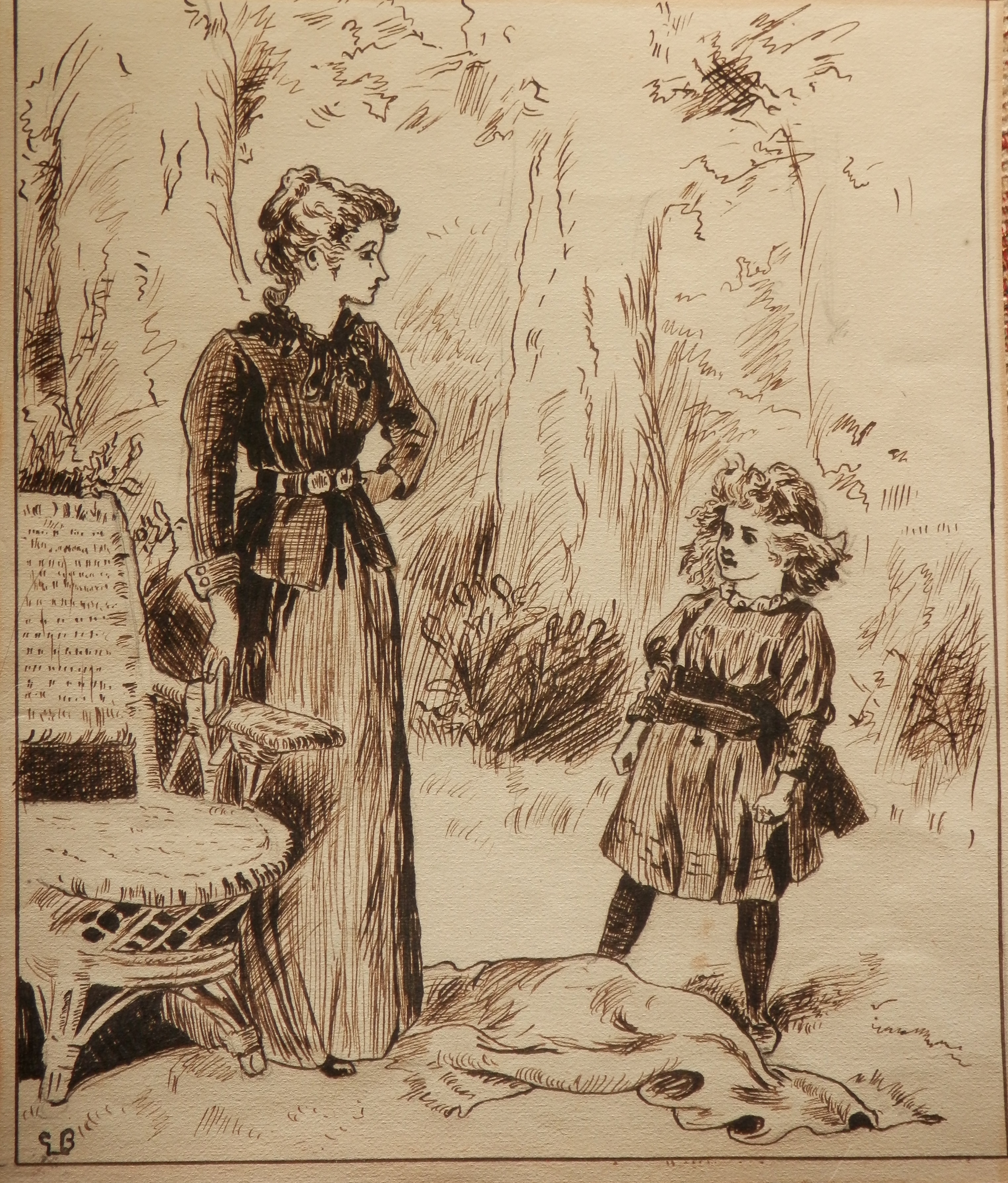
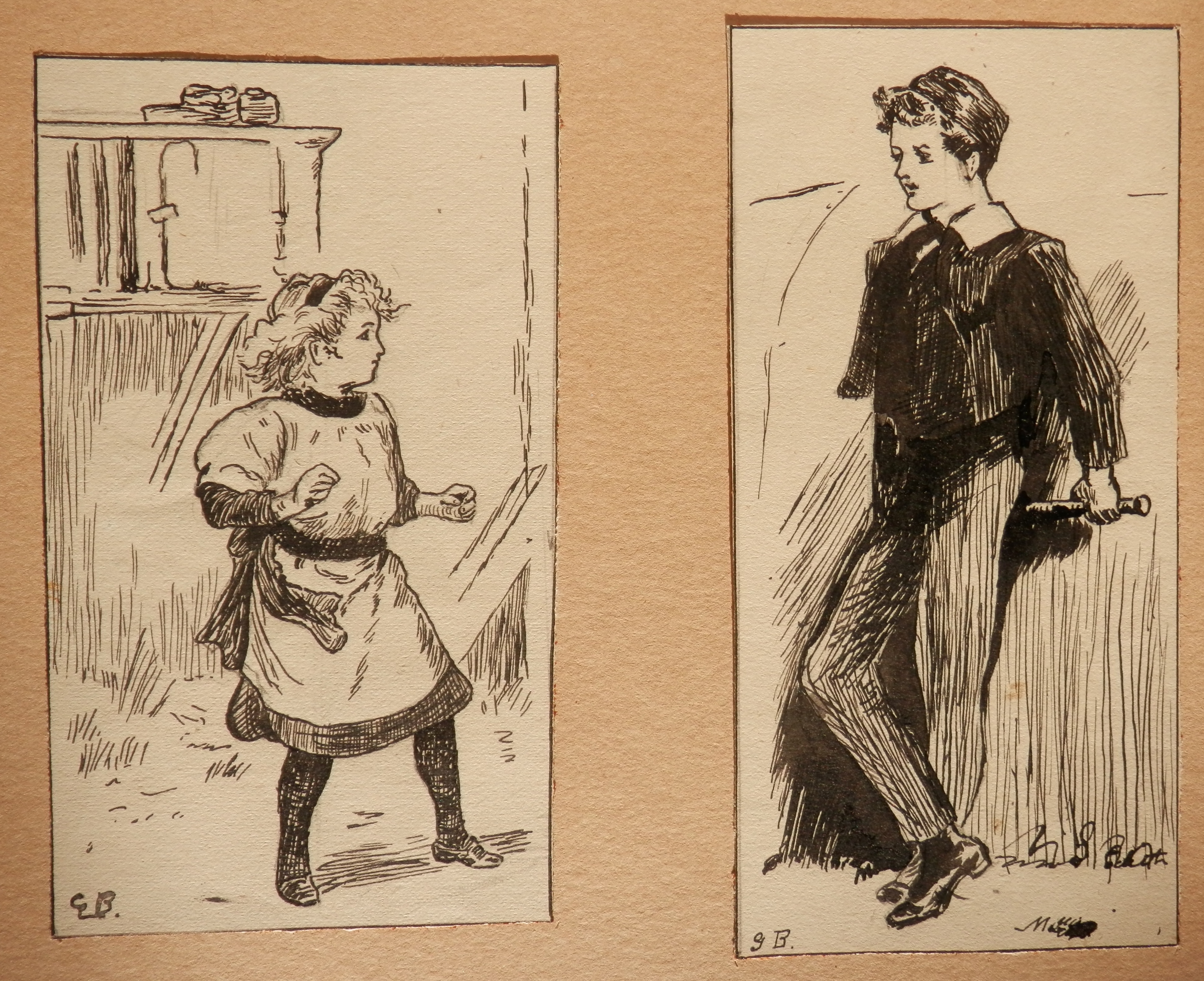 I have three pen and ink drawings by Gordon Frederick Browne in my collection. He signed his work GB. With such a vast output, I have yet to find to which story these drawings refer but I will keep looking.
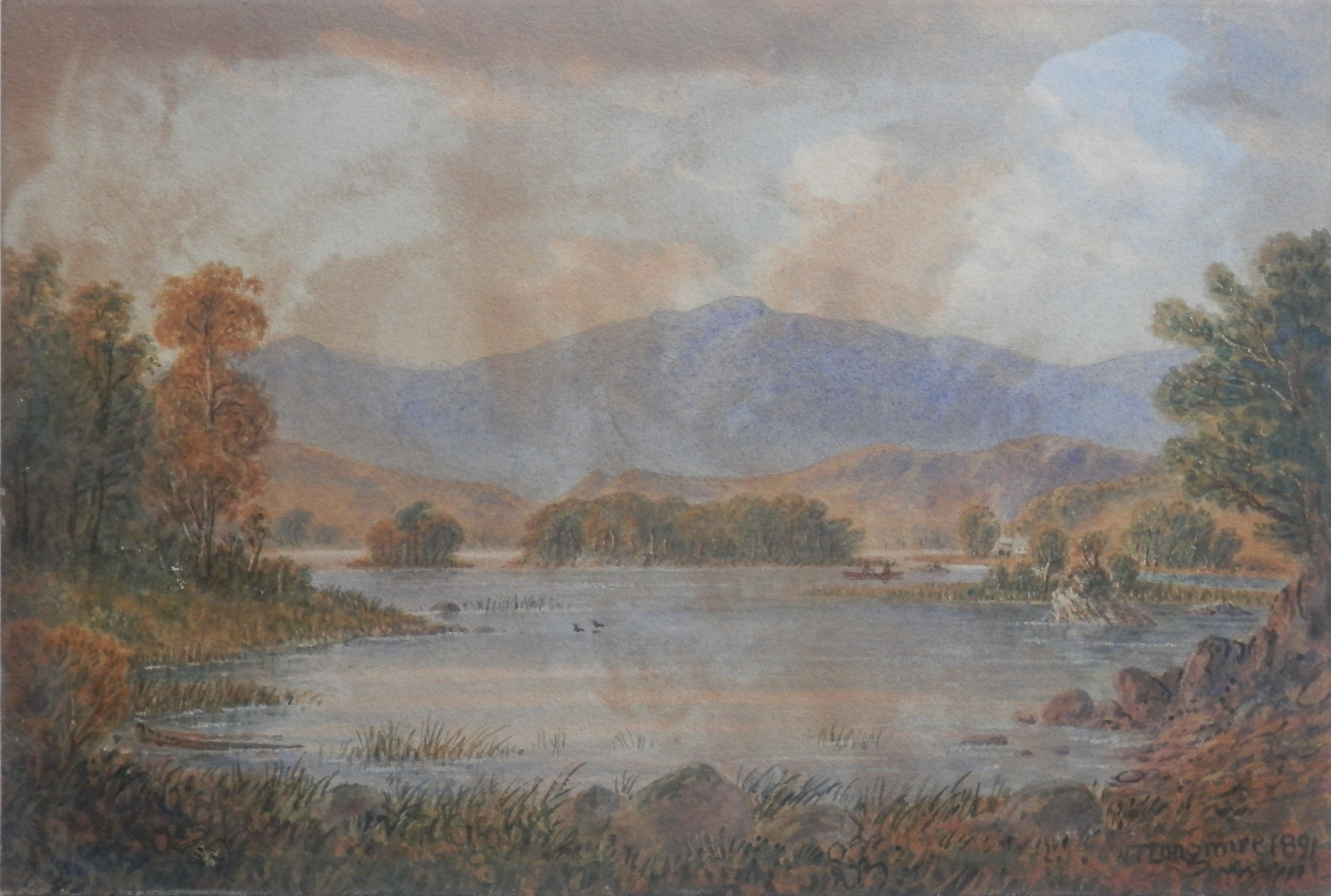 A fall into the lake led to complications resulting in the total loss of hearing. Longmire is most widely known for his paintings of the Lake District mostly in watercolour but he did paint in oils also. By the age of 30, this mostly self-taught painter had set up his own studio in Ambleside.
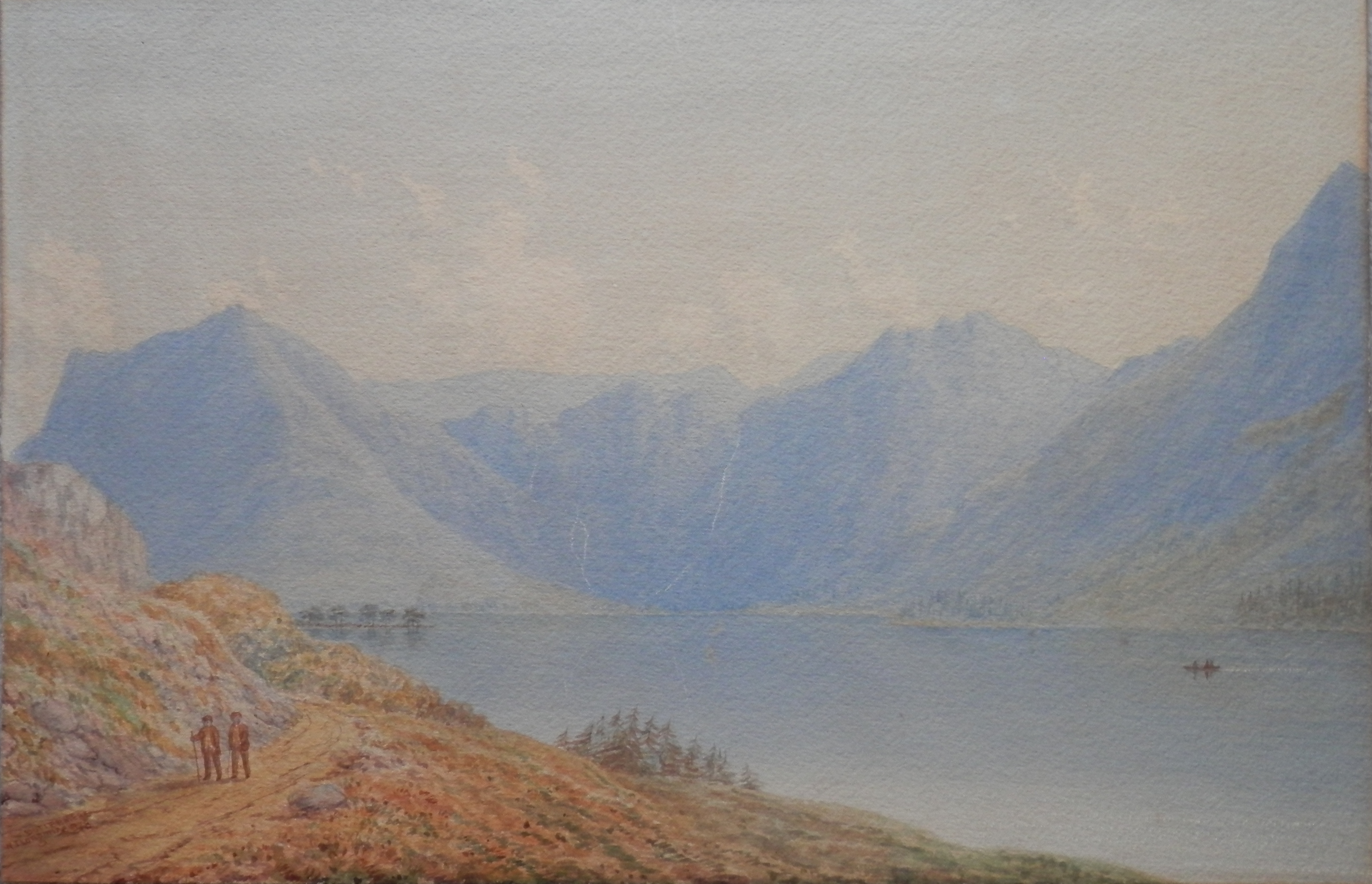 Here, we see a picture in far better condition. From these two works, one comes to understand why Longmire was a well appreciated artist. They are colourful and atmospheric, displaying both the beauty and harshness which the local residents experienced in everyday life. I have been to Ambleside and the Lake District. Things have moved on but the area retains it’s beauty.
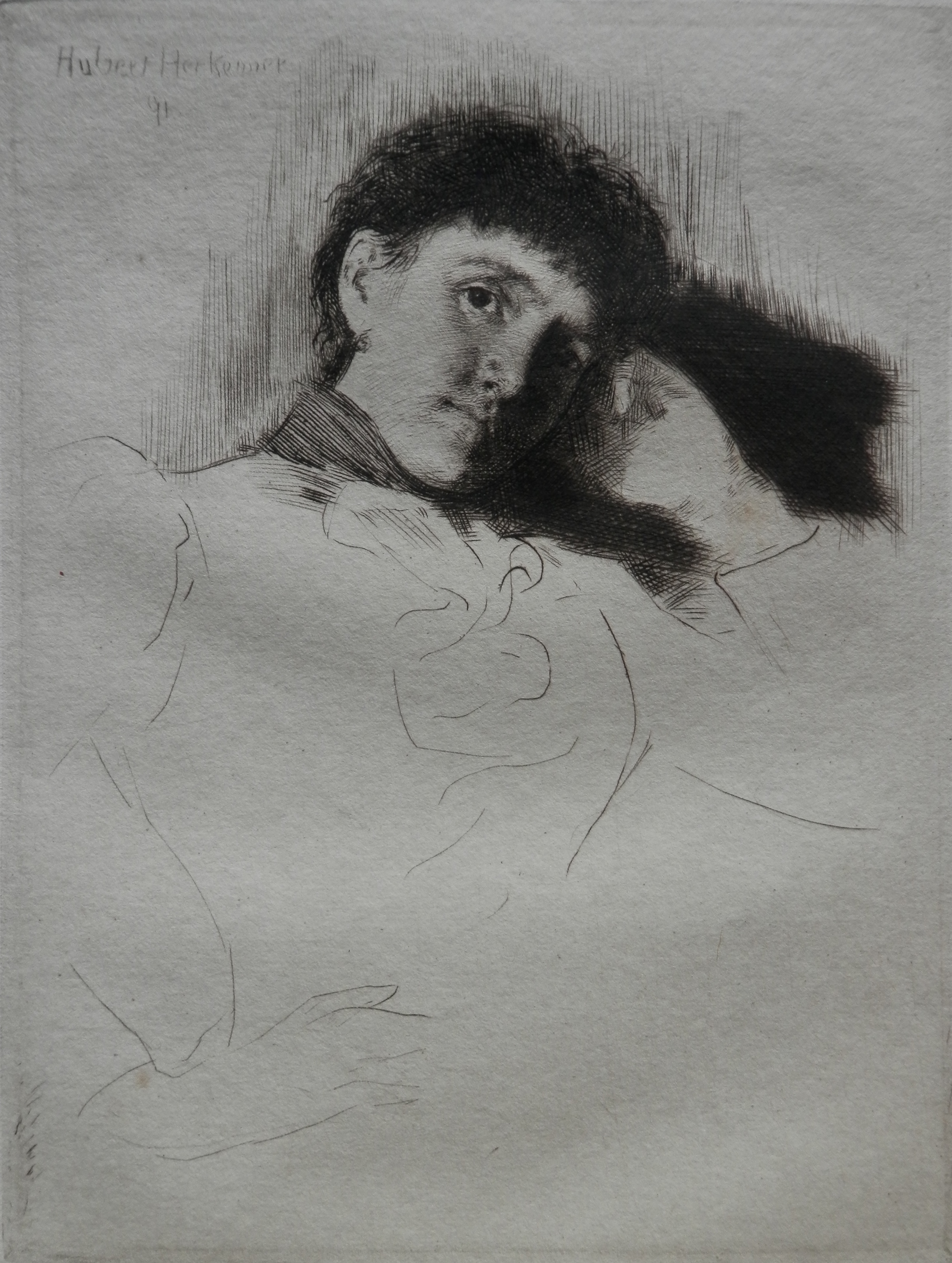 For a number of years, he was an illustrator for The Graphic a London based paper. With his success secure, Herkomer broadened his artistic fields by dabbling in other fields of interest. Proficient in oils, watercolours, etching, engraving, mezzotinting, and works in enamel he was also a film producer, a playwright and a composer of some quality.
 ronsartblog