Art of the Mystical

Great art has for centuries shown religious mysteries such as the Virgin Birth, the Transfiguration, the Rapture, Christ in glory, etc..  Art has never and can never claim to explain the mysteries it displays.  It is but only a rendition, an interpretation by the artist of something mystical, something unexplainable, something believed yet unseen.
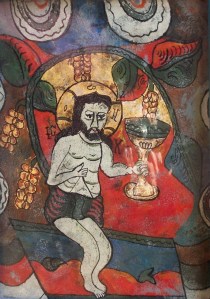
The Mystical Wine-press?Jesus and the Vines

The Mystical Wine-press?Jesus and the Vines

Such is the painting on the left.  It is called ‘The Mystical Wine-Press’ or ‘Jesus and the Vines’.  This is the only ‘icon’ in my collection at present.  It comes from Transylvania and specifically a town called Nicula.

It shows Christ with a vine growing out of His side.  The ‘Mystical Wine Press’ is an allegory for the sacrifice of Jesus and His presence in the communion wine.  In this sacred rite, wine becomes the blood of Christ, which we drink in remembrance of His death, for He is The True Vine, giving life to those who abide in Him as branches.

This is called a reverse painting since one is working on glass.  Realistic reverse paintings are more challenging to create as one must, for example, in painting a face, put the pupil of an eye on the glass before the iris, exactly the opposite of normal painting. If this is neglected the artist will not be able to correct the error as they will not get in between the glass and the paint already applied.

This naive folk art was very popular in the 19th century but fell out of  favour in the early 20th century.  It came very near to disappearing completely and only in the last 15 -20 years has made a come back but artists have had to re-invent paint compositions, now, by using acrylics and oil paints as well as the techniques for reverse painting.

On the reverse, at the top of the backing it reads

‘Isus cu vita de vie’       Inaputul sec XIX         Colectia Ion Petru Obreja

and at the bottom some of the words are missing but it reads as

‘ ——- ottone obreja mai 1986        Offenbach/Main’

Offenbach/Main is one of the great German glass centres renowned for their glass painting/etching.  Why their names appear I do not know.

Posted in Oil Paintings | Tagged , , , , , , , , , | Leave a comment

Art of Speculation

I, sometimes, when I am doing research on a new acquisition allow myself the liberty to dream.  The chance of finding a masterpiece is minute but one can dream.  Why not join me in a bit of speculation and then a bit of reality with my latest purchase.

Coastal scene
Wilson /32

I purchased this watercolour yesterday.  It is quite nondescript but still eye catching.  It could possibly be a study as a reference for a future painting.  It is signed Wilson/32.  Now the journey into speculation begins.  If the 32 is 1832 well this painting might be a study by Richard Wilson.  Richard Wilson is considered the father of British landscape painting.  His sketches are as sought after as his oils are but he is not known for working with watercolour.  But lets’ continue.  Maybe it is by (Sir) Daniel Wilson.  Born in Edinburgh – artist, author, ethnologist, and university teacher and administrator.  He eventually became President of the University of Toronto (where I studied).  More dreamy thoughts.  This would not be the first painting in my collection by a British artist of a place in Canada which has made its’ way back to England for me to buy it here.  Now for a little more reality.  When I turn over the picture, on the back is a sticker for a framing shop.  This sticker reads

‘from Geo. A Dean – Photographer & Picture Dealer – 14, High Street, Rugby – Framing of Every Kind

So another clue as to age.  Who is George Dean.  Well, George A. Dean, both Senior and Junior , were photographers but only George Jnr lived in Rugby.  He moved there in the mid-1890’s.  That means that this painting would have been 60 years old when framed by George jnr at his shop in Rugby.  Not impossible but….  So what happens if we consider that it might be 1932.  Firstly, George jnr would be roughly 90 years old and his shop would have been in existence for 40 some years.  Once again not impossible but again questions arise.  Also any famous Wilsons’ painting in 1932.  There are some but not true really famous.  So what is the decision.  I have no definitive proof either way, I will continue to speculate  and dream a little for now, and I will hang it on the wall and enjoy looking at it.

The Shambles, York
by R Herdman-Smith

And just for fun, a lovely coloured etching by Robert Herdman-Smith(b. 1879) of ‘The Shambles’ in York.  I have been there several times and continue to be amazed by the antiquity of the street and shops even when crowded with tourists.

Enjoy.

Posted in Etching, Watercolour paintings | Tagged , , , , , , | Leave a comment

Art of Youth

The portrayal of children in art can be and often is quite idealized.  The first artwork pictured here is such a work. When I first saw it from a distance, I thought it to be fairly impressionistic in style and naive.  But then I picked it up and realized that what I took for dashes of paintwork was actually needlework.

Girl with rabbit – needlework & watercolour
unknown artist

It is truly a very fine piece of work.  It is 5 1/4 inches square set in a simple frame.  When I look at this piece it makes me think of and author named Kate Greenaway, whose artwork for her books was in a similar style.  There is actually some watercolour work in this piece also.  If one looks closely, one realizes that the distant hills and sky are done with watercolour as well as some shading behind the shrubs and grass.  The young ladies legs, arms and face are also done with watercolour.  A combining of  art-forms to achieve what is a very pleasing result.

My second artwork today is a recently acquired watercolour.  Since starting to collect artworks and enquiring into their history, I find that every once and a while I purchase something that says ‘I’ve seen this before’.  This is one of those pieces.

children in the yard – watercolour
unknown artist

This watercolour is not signed or dated so finding information is well nigh impossible but that has not stopped the feeling that somewhere, at sometime I have seen this image or one very like it before.  There is no naivety in regards to the portrayal of these children.  They are poor.  They do not have an adult to supervise them so they amuse themselves.  They take care of themselves.  They have no toys and they are simply and plainly dressed.  In truth a very accurate rendering of what their life must have been like – simple with few luxuries.  An uncomplicated painting exhibiting an image of life in its’ bareness and simplest.

Posted in Needlework, Watercolour paintings | Tagged , , , , , , , , , , , | Leave a comment

Forgotten Art

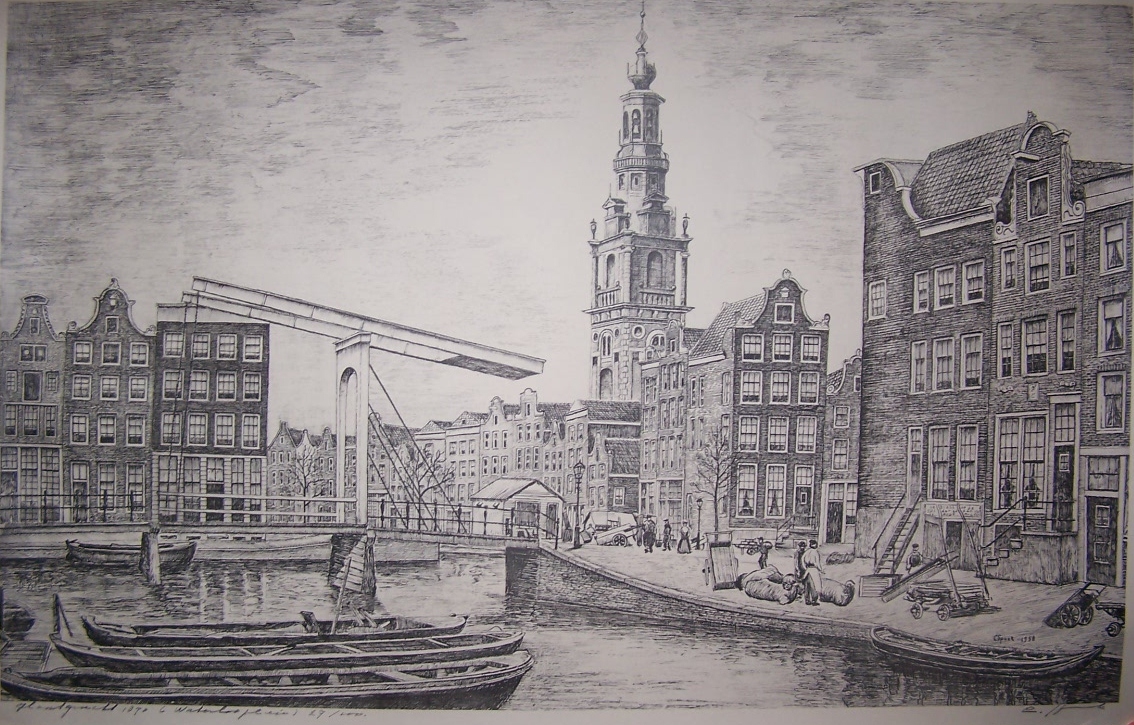
I have had in my possession for many years a print, so many years that I do not remember how or where I acquired this print.  I know that the print shows the meeting of the Leprozengracht canal and the Houtgracht canal.  Waterlooplein was created in 1882 when the Leprozengracht and Houtgracht canals were filled in.  The square is named after the Battle of Waterloo in 1815.  This print is titled (Houtgracht, 1870, Waterlooplein)and numbered (27/100) and signed (Cornelis Spook 1958).  Now-a-days with the internet, one can find information on art prints and other various things.  I found an image (wonderfully hand coloured) of the print I have (uncoloured) and thus have finally gained access to some information in regards to the artist.  Well maybe.  It is held in the City of Amsterdam Archives.

Houtgracht, 1870, (Waterlooplein)
C Spook 1958

Here is where it gets confusing/interesting.  I now know that the original etching  was an image of an 1880 photograph.  The title of the print has remained the same, the date attributed to production is circa 1880, the number etched on the print (1958) remains, but the artist name has been scratched out.  The new found information attributes the print to C. Ghost (tekenaar in the original Dutch).  Why the changes?  I do not know.  Does 1958 mean a year or is it something else.  Again I do not know.  And from Spook to Ghost?  Questions which I cannot answer.  Possibly some one can.  Its’ fiscal value unknown.  For now I will just enjoy the print with all its’ mysteries included.

I have since publishing this post been contacted by a descendent of Cornelis Spook.  He was born in 1900 and worked most of his life for the Handelsblad newspapers.  Etching was his hobby which he did in the evenings and free time.  He specialized in architectural etchings of buildings and sites in Amsterdam some of which were used to rebuild and restore bombed buildings after WWII.

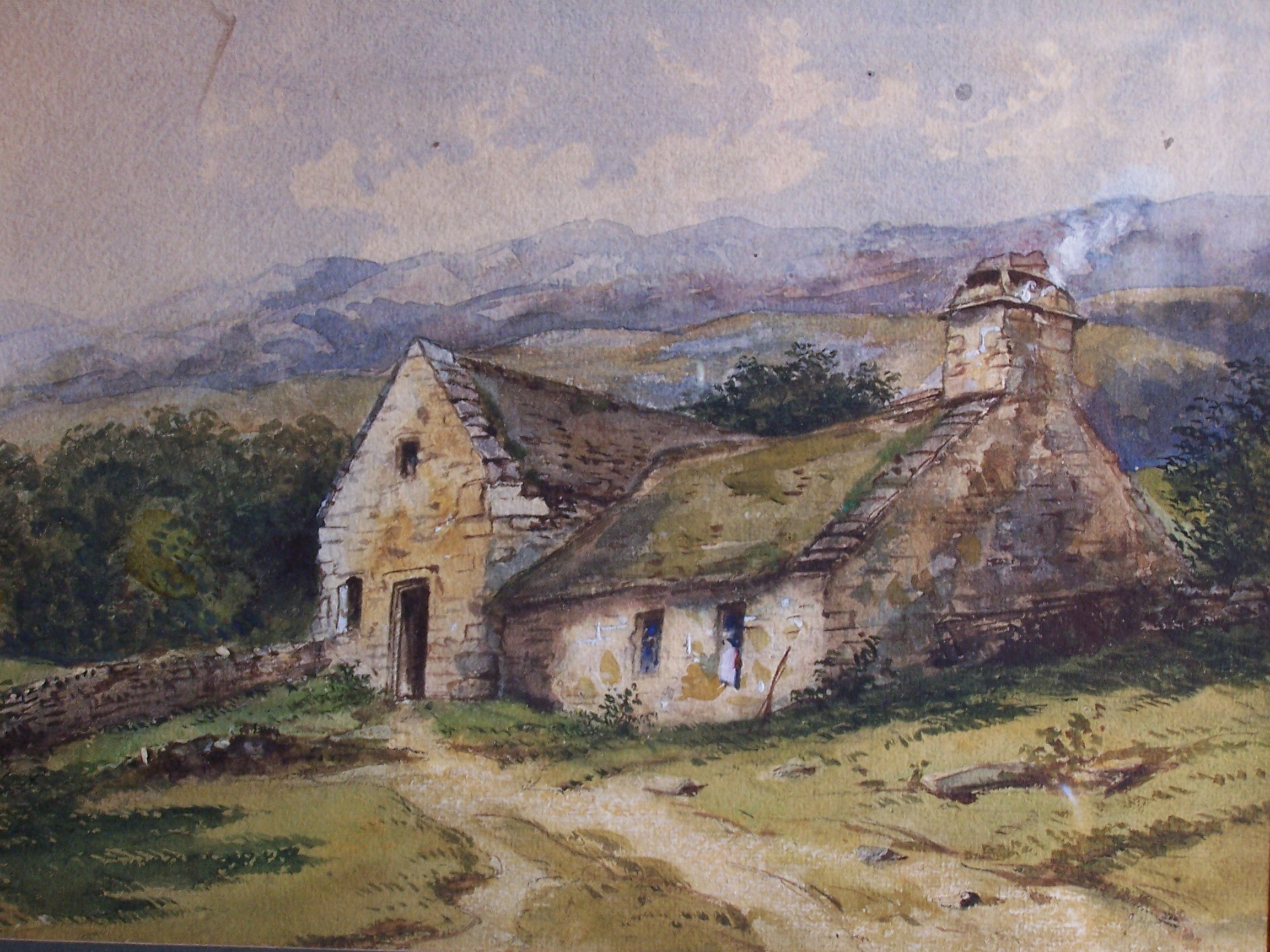
Near Barmouth, Wales
Mortimer, 1862

As one can tell from some of my previous posts I love the Welsh hills and the Scottish Highlands.  So next is one more image of Wales in my collection that I love.  This watercolour was done in 1862 and shows a homestead in the hills near Barmouth.  The smoke rises from the chimney into the cool evening air.  No electricity here.  Early to rise to tend the sheep and the crops and late to lie down for rest.  A life of toil and back-breaking work.  Possibly tomorrow will see the building of a stone wall or the cutting of wood for winter or the harvesting of vegetables from the garden or even miles of hills to cover to mind the sheep.  Here a man lives by the work of his hands.  A hard life but a satisfying one indeed.

Posted in Modern prints, Watercolour paintings | Tagged , , , , , , , , , , , , , | 3 Comments

Art of bygone times

I have added three item to my wall this week, two prints and one charcoal sketch.  When I say bygone in the title to this chapter, you might consider that one of the three items isn’t really that old.  I will begin with that.

charcoal sketch, 5 Feb 1922
J H van Mastenbroek (1875 – 1945)

This sketch is not titled so where this Dutch canal/harbour scene comes from I do not know. Johannes Hendrik Van Mastenbroek is described as the ‘Rotterdam harbour painter’.  Born in 1875 in Rotterdam, he is an Impressionist of the New Time.  He painted mostly atmospheric pictures of the Rotterdam harbour and his collected works document the technical progress and the rapidly increasing activity in the Rotterdam port.  Van Mastenbroek boldly depicts reflections in the water, creating a dynamic scene.  Bold strokes, surety of line, accuracy of eye and behold an image of real life has unfolded before you.  He enjoyed painting outside even in inclement weather.  His works are a remarkably correct depiction of the busy day-to-day activities of the harbour life.  His most important works came in 1931 when he portrayed and documented in pictorial form the draining of the Zuiderzee.

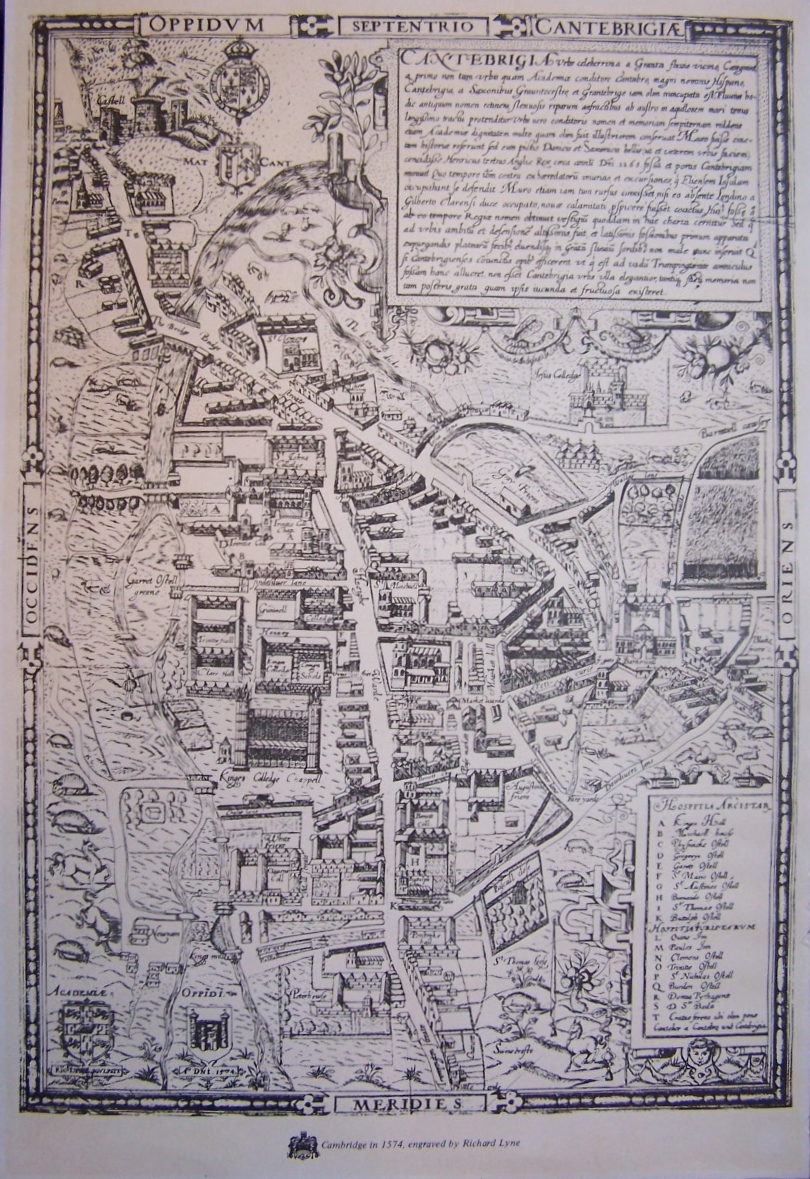
Cambridge in 1574
engraved by Richard Lyne
age undetermined

The next two items are related in that they are both maps.  One very old and the other’s age is uncertain at this time.  let us begin close by with a map of the City of Cambridge.  I am not sure of the age of this map.  It is not a modern print since it is not made in a dot matrix format in any way.  That should make it a print of an etching but when it was pressed I do not know.  Underneath the map it shows the Cambridge City Council Crest of Arms followed by ‘Cambridge in 1574, engraved by Richard Lyne’.  A lovely early image of the Cambridge and it’s surrounds.  It shows  the colleges which made up the majority of the town being encircled by rural life.  Farms and animals abound on the edges.  Still today, although Cambridge is much larger, it is still surrounded by rich and fertile farmland.

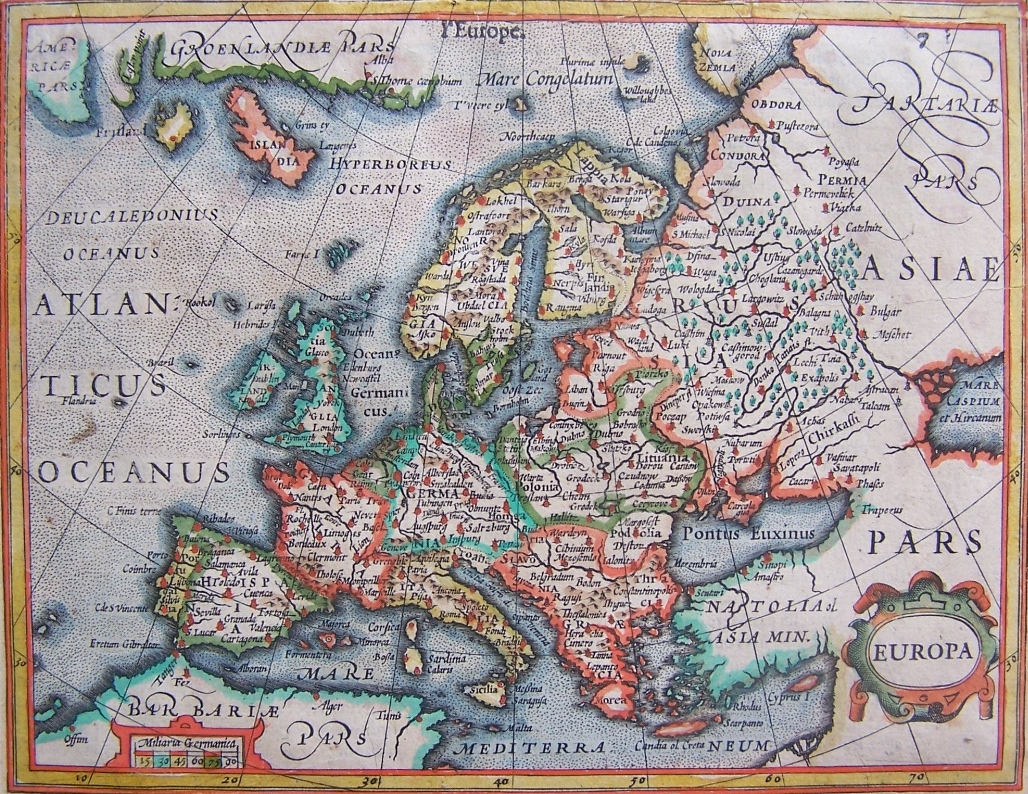
Europa
by G Mercator(1512-1594) & J Hondius (1563-1612)
published 1608

This lovely little map of Europe was done by Jodocus Hondius for the first French-text edition of his ‘Atlas Minor’.  Shortly after the publication of the large folio-atlases a need arose for a smaller sized atlas, one that would be handier and above all, cheaper.  The ‘Atlas Minor’ was larger in format than other small atlases available at the time allowing for far greater detail and more place names than found in its rivals.  I know this map comes from the French-text edition in that on the reverse it has text printed on it.  He is best known for his early maps of the New World and Europe, for re-establishing the reputation of the work of Gerard Mercator, and for his portraits of Francis Drake.  He helped establish Amsterdam as the centre of cartography in Europe in the 17th century.

Jodocus Hondius did something that my family also did many years back. He Latinized his name.  His name originally was Joost de Hondt.

[edit]Biography

Posted in Drawings and Sketches, Etching | Tagged , , , , , , , , , | Leave a comment

Art of Stipple Engraving

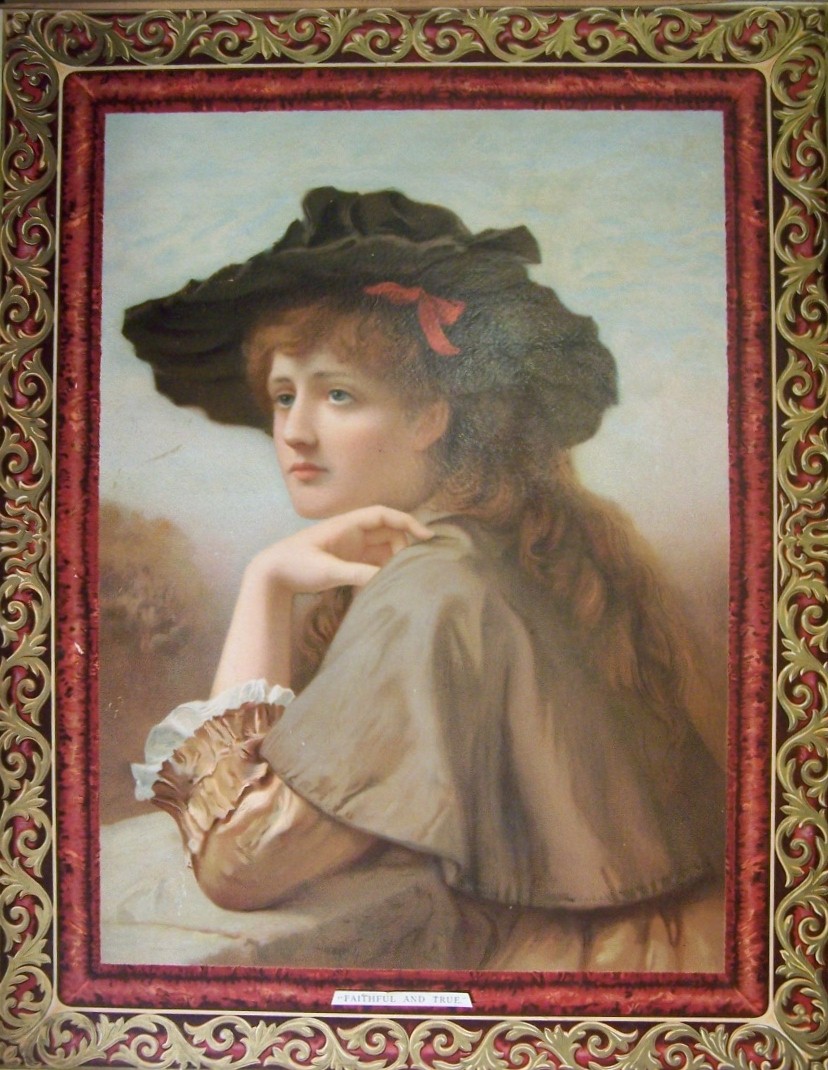
Stipple engraving has for the most part disappeared as an art form.  It was popular in the 1700’s as an art form in itself but had been used with line engraving since the 1500’s.  Stipple engraving is a technique which distributes dots of various sizes and densities across the image. The pattern is created on the printing plate either by gouging out the dots, or through an etching process (gouging out of the resin ground on the metal plate which then allows the acid to bite the metal when dipped in the acid bath).  I have only a few true stipple engravings in my collection. I have some etchings which use stipple to create the subtle tonal variations required.

Faithful and True
stipple engraving – unknown artist

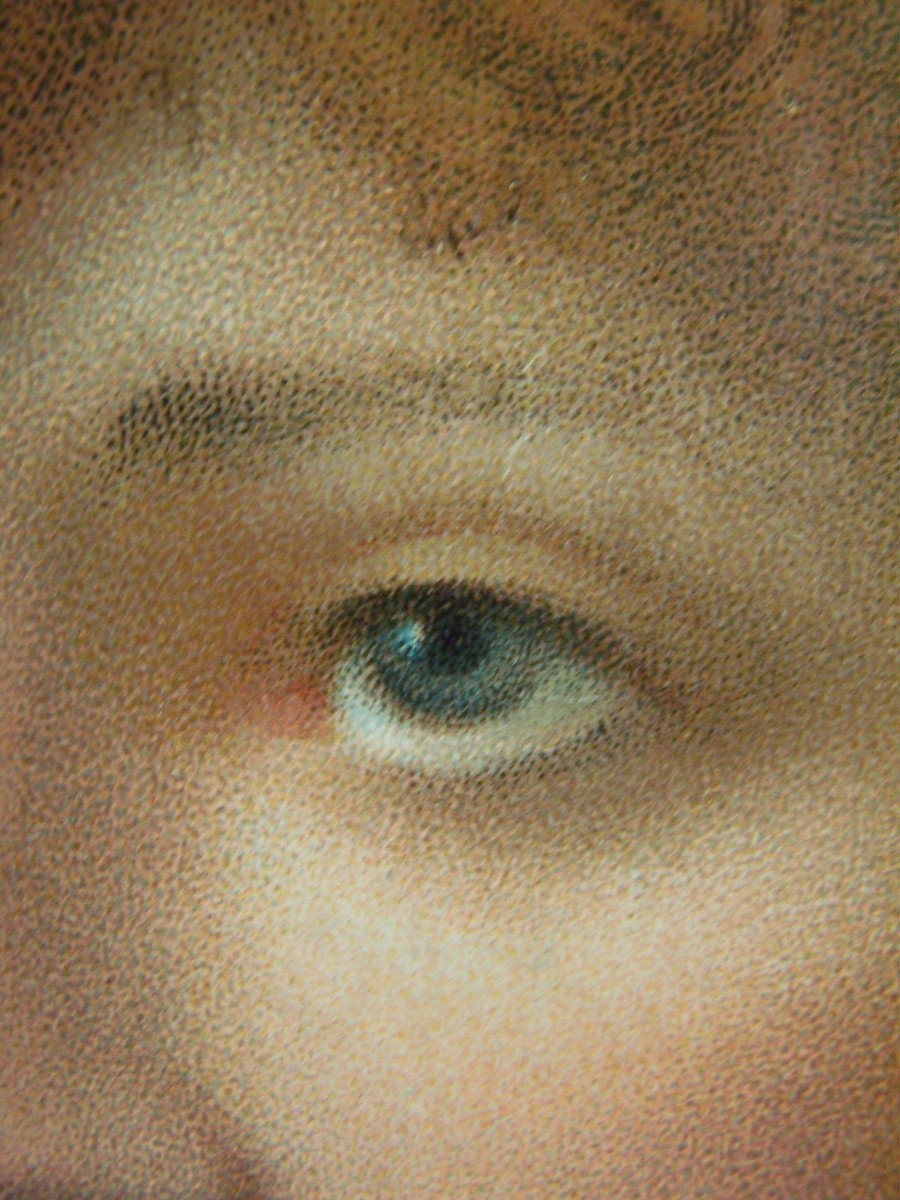
Both of the artworks which I am talking about today are unsigned and undated.  If one looks closely at a stipple engraving one can see the dots which make up the picture; unlike today’s modern reproductions which may require a jewellers lens to see the pattern.  Although the image is made up of dot  there is not really a pattern per se.  To intensify colour the dots are placed closer together and separated more for lighter shading.

close up of girls eye
stipple engraving – unknown artist

I show a close up of this young ladies eye to enable you to see the dots which make up the image.  The use of dots without any engraved lines gives one a very soft and just off focus feel to the image.  The meticulous placing of dots to enhance colouring was a very labour intensive job.   The different colours were carefully applied with a brush to a single plate for each impression, a highly skilled operation which quickly proved economically prohibitive.

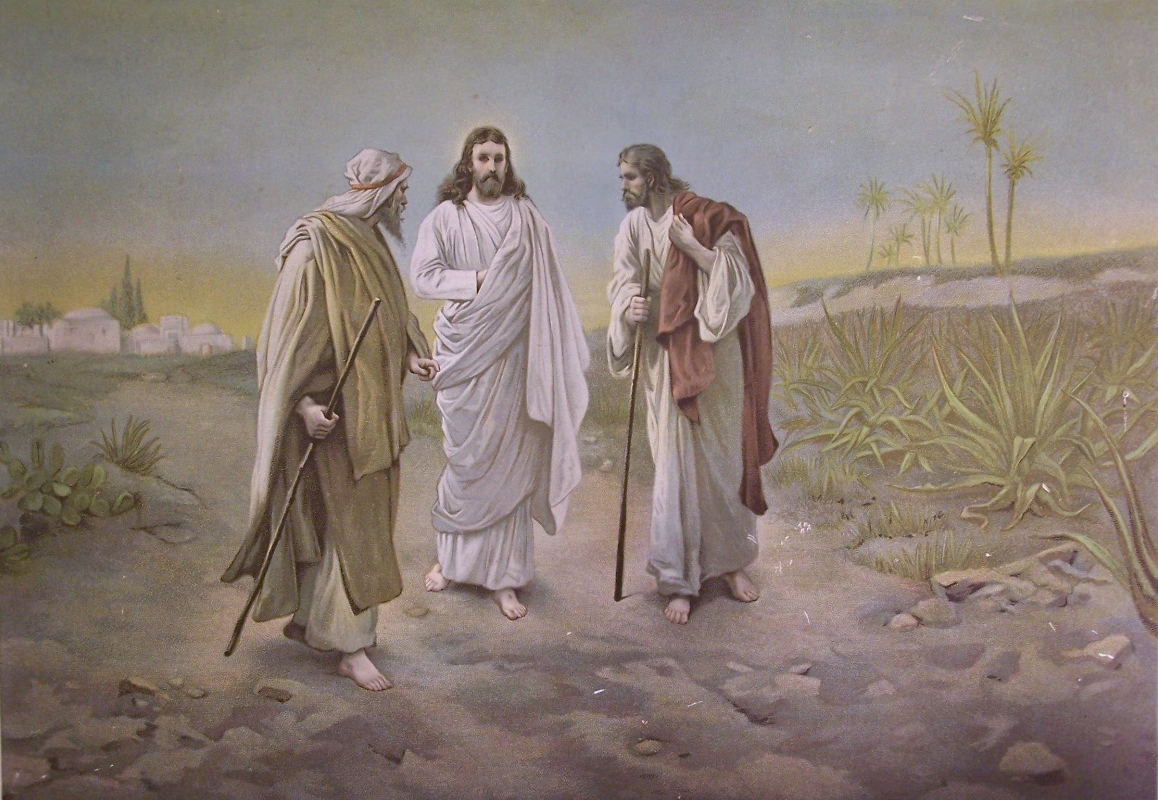
The next stipple engraving I have is a religious image of Christ  walking and talking with two men on the road to Emmaus.  Once again there are few etched lines so the image although clear has a soft focus to it.  Once again unsigned but but is in the style of William Henry Bartlett (1809 – 1854).  Both images have their own decorative borders (lower picture’s border not shown) allowing one to get a more modest frame and still have them look good when hung.

The Walk to Emmaus
stipple engraving – unknown artist

I hope you enjoy them as much as I.  The workmanship and patience which has gone into these pieces is immense.

Posted in Etching | Tagged , , , , , , , , , , , | Leave a comment

Art of Etching/Engraving

How does one make art. For most of us we might draw or paint but we would not generally consider the  art of etching or engraving. The idea of scratching lines onto a sheet of metal sounds like to much work and could we be sure that our scratchings would even hold the amount of ink we wanted.  Etching is done by covering a metal plate with an acid-resistant layer of wax called a ground and drawing a design through the ground using an etching needle. The plate is then dipped in acid, which bites into the exposed lines, thus etching the design into the plate.  An engraving is made by incising a design into a metal plate by applying pressure to the plate with a pointed tool called a graver or burin.  Etching creates delicate and subtle designs while strong lines and sharp definition are main characteristics of engravings.  Luckily for us there are artists which did take up etching and engraving.

The Road To Lyndhurst @ 1910 etching
Albert George Petherbridge (1882- c.1934)

A G Petherbridge is one such artist. A painter, etcher and pastel artist who exhibited in the Midlands and at the major London galleries.  His personal artworks are small in number as his main line of employment was poster design for the rail companies.  An artist doing what he loves to do and being paid for it.  This lovely etching of an horse drawn cart heading down the road shows life as it was.  There is no traffic, no one else even on the road. It was possibly even a lonely trip.  No hurry, no rush, time to think and ponder, maybe even whistle a tune while travelling down the road betwixt open field and shady copse.  Going to Lyndhurst from Bournemouth via the New Forest possibly.  The New Forest is a beautiful area, but it is not “natural” in the sense of being untouched by man.  The Forest has been moulded by the fads of monarchs and government priorities over the last 900 years: deer; timber for naval shipbuilding; commercial timber production; recreation.

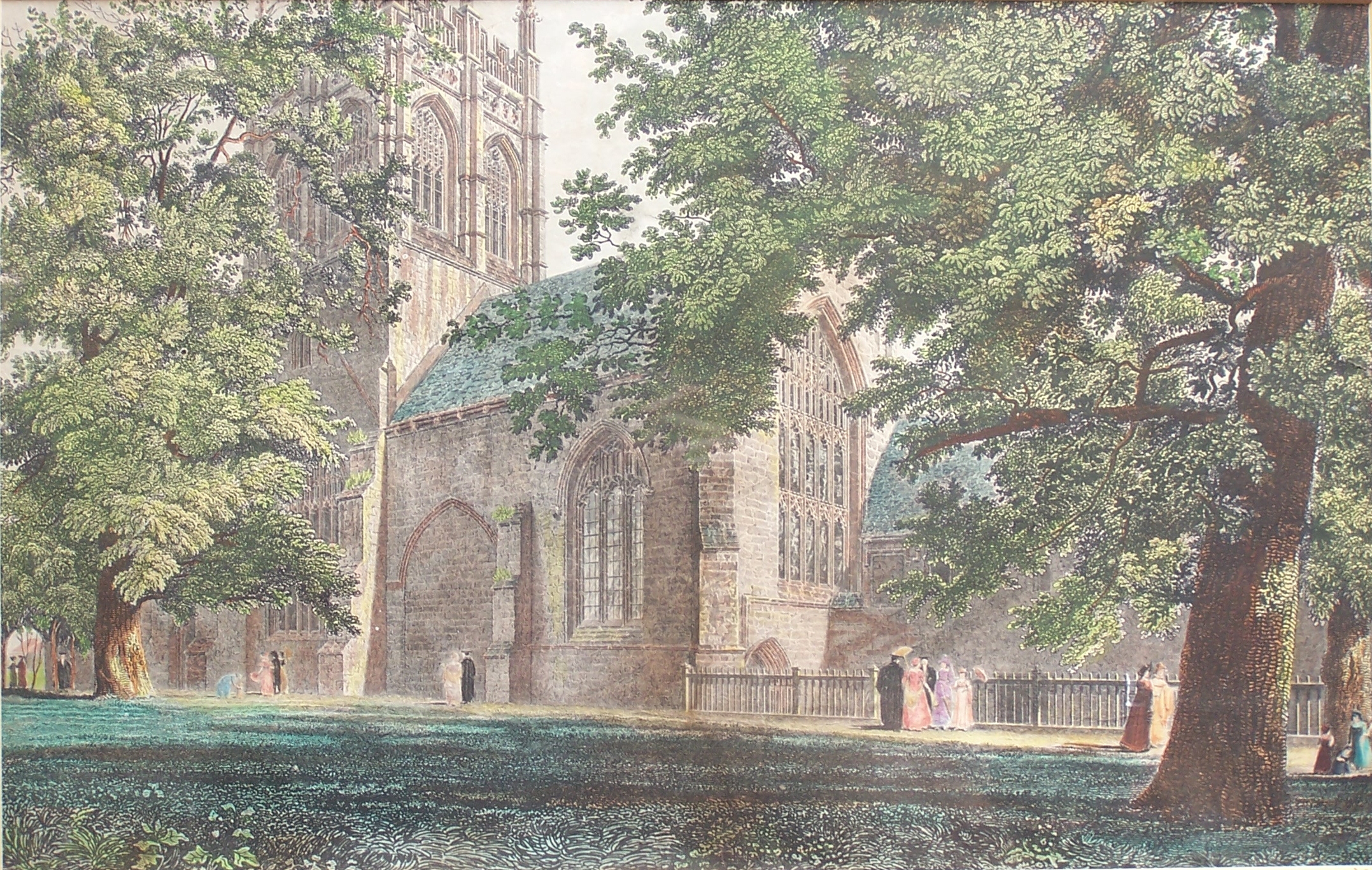
The next etching comes from ‘The Oxford Almanac for the Year of our Lord God MDCCCXXX’.  That’s 1830 for those who don’t like Roman numerals.  The image is taken from a work by F. Mackenzie and engraved by Joseph Skelton.

Merton College Chapel from the Grove
engraved by Joseph Skelton after F Mackenzie 1830

This beautiful engraving has been hand coloured at some point in time.  I know that this image is from 1830 since on the back of the frame is adhered the lower section of the sheet which made up the whole almanac page.

The Oxford Almanac for the Year of our Lord God MDCCCXXX (1830)
Pub by J Parker, Oxford & E Gardner, Paternoster Row, London

If one looks closely the engraving is superb. Painstakingly worked and architecturally very accurate. I understand why artists sat and engraved upon sheets of copper for that was the only way of getting artworks to the public and after looking at the images above, I am in awe of them and their talent and very grateful that they did.

Posted in Etching | Tagged , , , , , , , , | Leave a comment

Art of Open Space

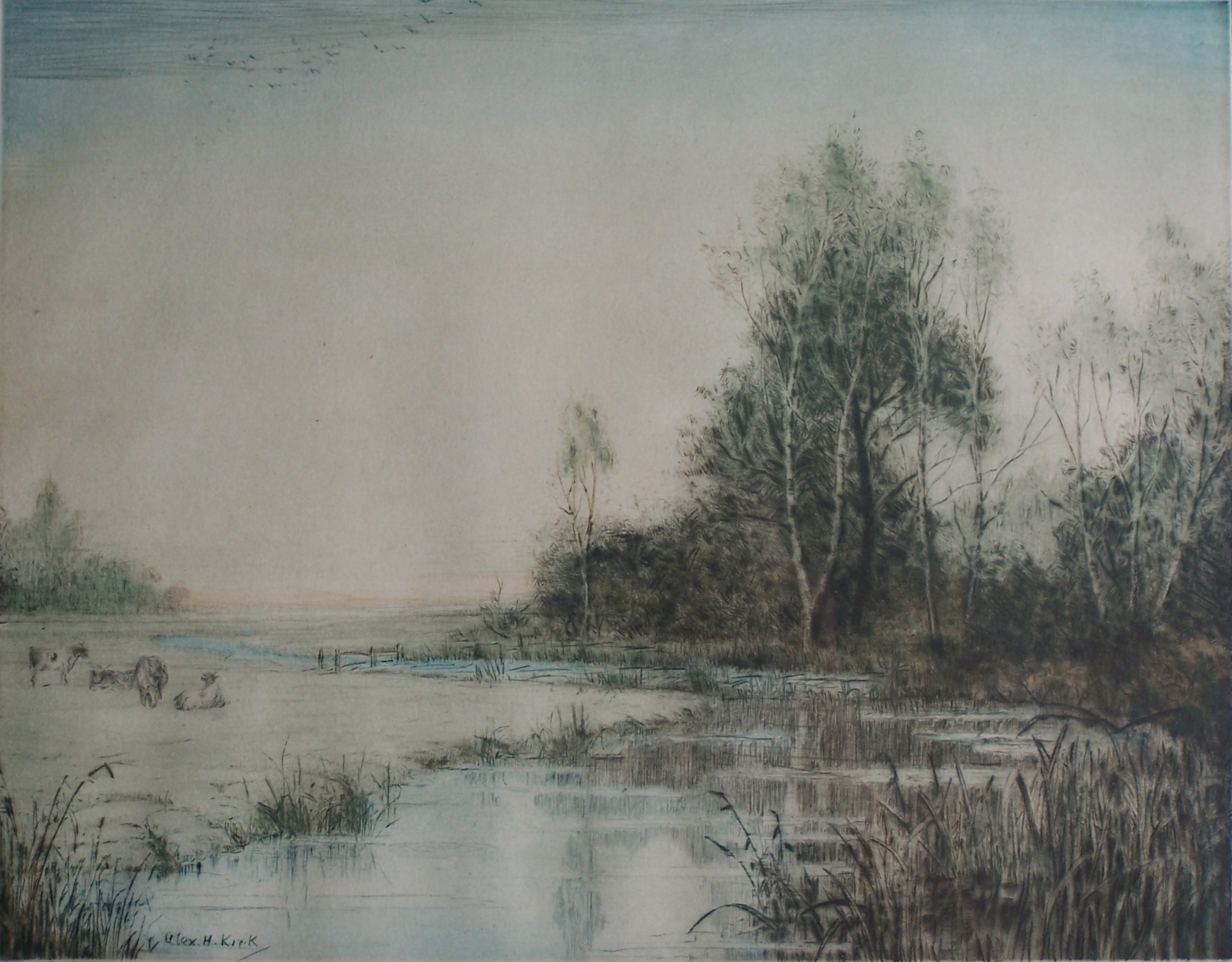
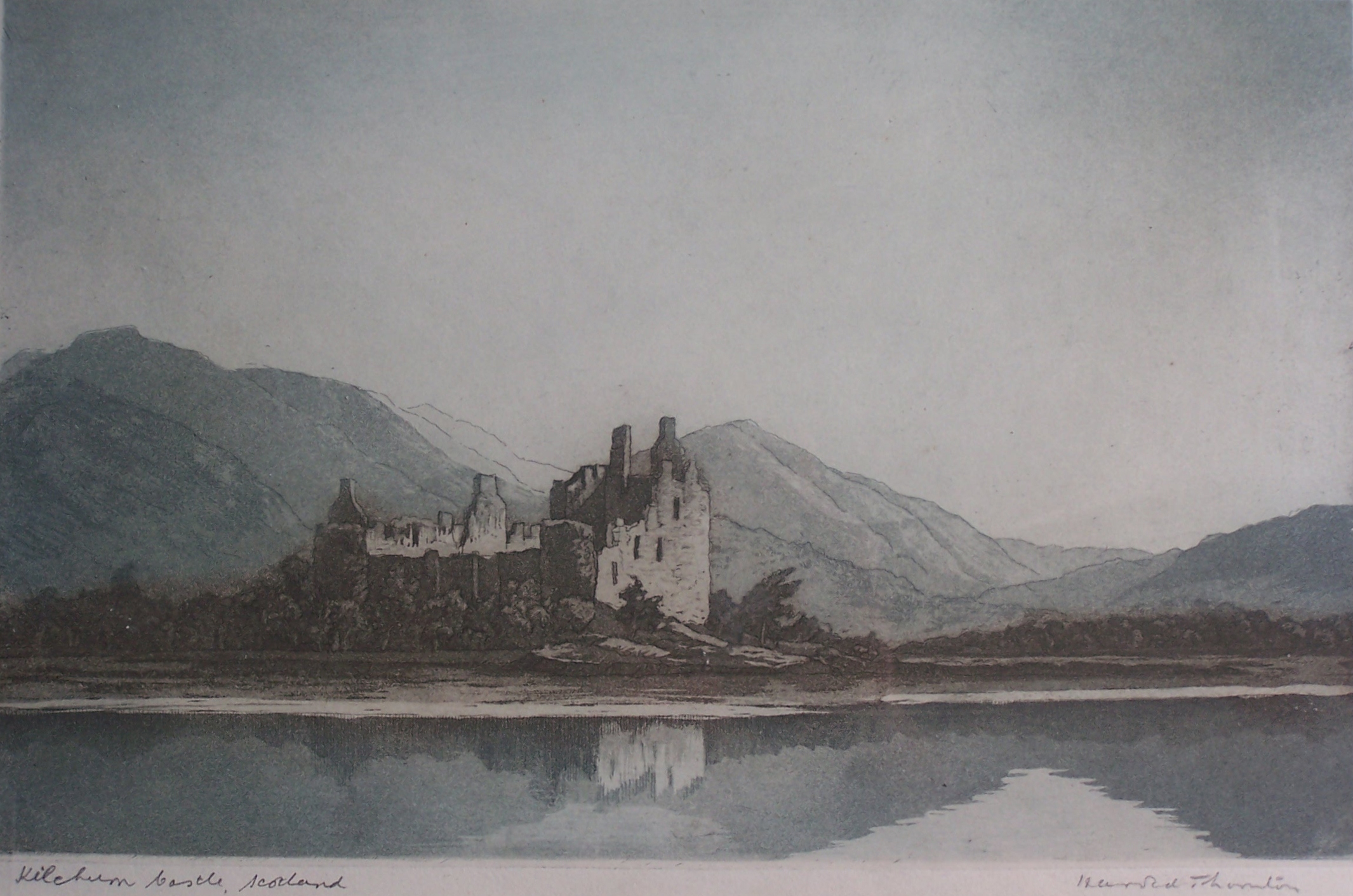
Today, three views by three different artists of wide open spaces.  Three scenic prints of three different countries.  To begin, I invite you to travel to what is most likely Shropshire , the source of the river Trent.

River Trent – etching with wash
Alex H Trent

An etching done by Alex H Kirk (1871-1950).  This is a wonderful pastoral scene of the Trent River as it slowly winds its’ way through the Shropshire countryside.  It has a very light blue wash to accentuate the river itself and heighten the sky.  This etching so catches the calm and peace. The cattle are at rest, the trees stand unbowed by wind and the rushes reach upward toward the sky. And yet there is a sense of change coming. The birds in the sky fly in formation. Does the season change.

The Trent has altered course several times throughout its’ history and is immortalised in William Shakespeare’s play Henry IV Part I

“Methinks my moiety, north from Burton here,In quantity equals not one of yours:See how this river comes me cranking in,And cuts me from the best of all my land. A huge half-moon, a monstrous cantle out.I’ll have the current in this place damm’d up;And here the smug and silver Trent shall runIn a new channel, fair and evenly;It shall not wind with such a deep indent,To rob me of so rich a bottom here.”

Kilchum Castle and Loch Awe etching
Harold Thornton

Next the wide open spaces of a country I love to visit. Scotland is gifted with scenery which is hard to surpass.  A rugged land with so much history.  The ruin of Kilchum Castle stands alone on the edge of Loch Awe.  A wonderfully picturesque setting.  Built in the mid-15th century by Sir Colin Campbell the substantial ruins offer spectacular views down Loch Awe.  What a history this place has seen.  The struggle to survive and yet in the end to capitulate.  A history of labour, love , and conflict.  Harold Thornton (1892-1958) has captured the mighty ruggedness of the land, the placidity of the water, and the passing strength which man possesses.

Puy de Dom, France
Katie Clemson 1976 – 2/20 print

And finally a quick look at a place I would like to vist. ‘Puy de Dom’ in France. An extremely beautiful print by artist Katie Clemson.  Shades of green colour the land, one of the youngest volcanoes found in the Auvergne (south-central France).  The clouds stream over the land as once did the lava flows.  The ruins of an ancient temple to the god mercury (pre-christian) have been discovered at the top of Puy de Dom. One can no longer drive to the summit. One has to either hike or take the rack railway.  The summit offers expansive views of the Chaine des Puys and Clermont-Ferrand.

Posted in Etching, Modern prints | Tagged , , , , , , , | 2 Comments

Art on Sale

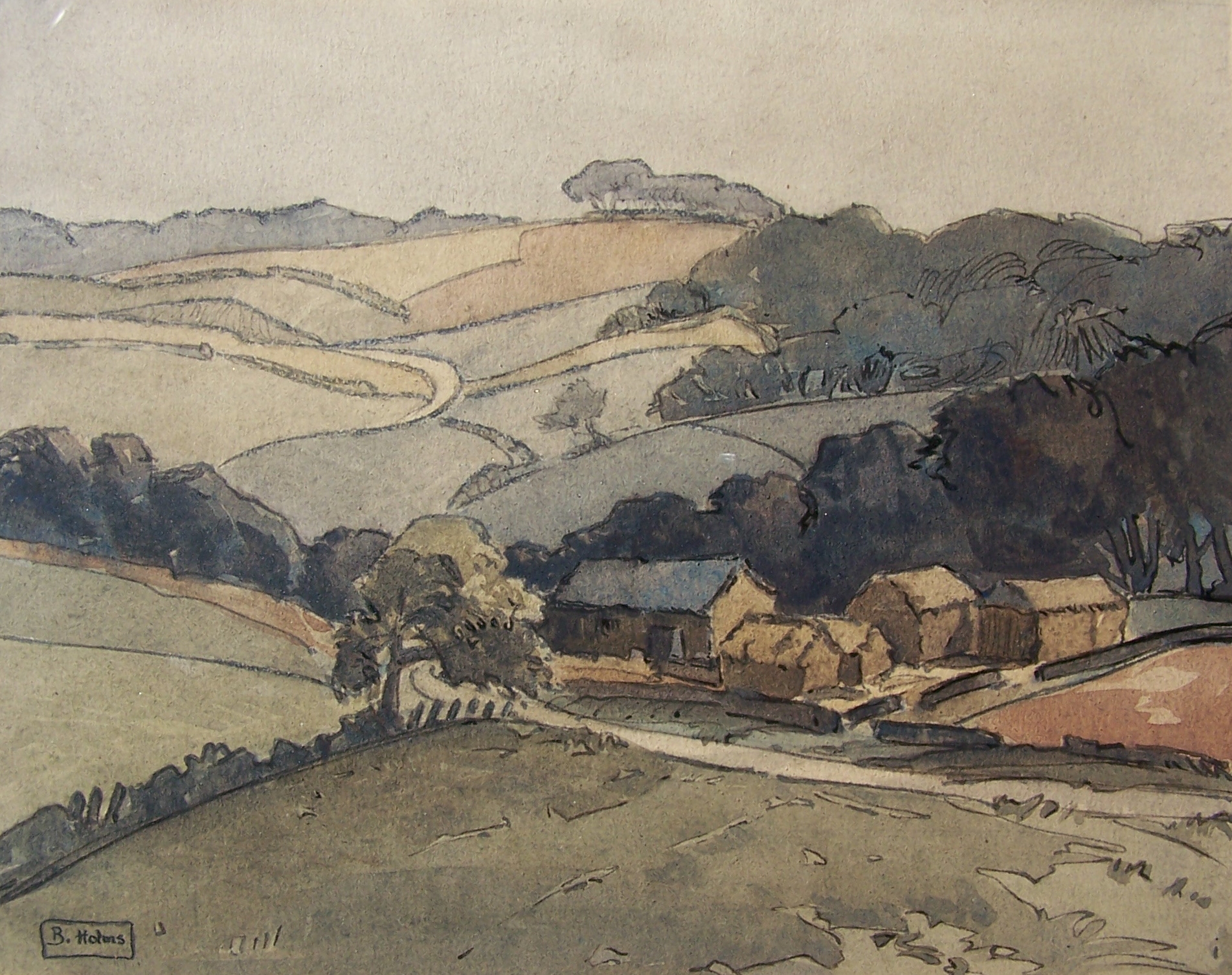
A local charity had a sale these last few days.  They had a sale on picture frames.  I don’t usually buy frames unless they are something very special, I am more concerned with what they hold and display.  I purchased several frames with artworks included. Once again I buy because the artwork catches my eye and says something to me.  So what did I buy.  I bought a watercolour, an aquatint, and a pen and wash drawing.  I’m sure these are not worth much money but they did catch my eye.

A Welsh Valley scene
watercolour by Beatrix Holm

The first is what I consider to be a lovely and evocative watercolour by Beatrix Holm.  This scene reminds me very much of some dear friends who have moved to Wales and live in countryside much like what is pictured here.  Rolling hills, farms, winding roads, and copses.  There are no sheep in this picture but there are where my friends live.  An idyllic place into which one can see oneself retiring after ones working days.  Walk the hills, enjoy a picnic lunch, watch clouds sail by, rest, relax and feel the wind on your face, the vitality of life which surrounds you and then to home to revel in and absorb the experience which you have just had.  An experience one could have every day.

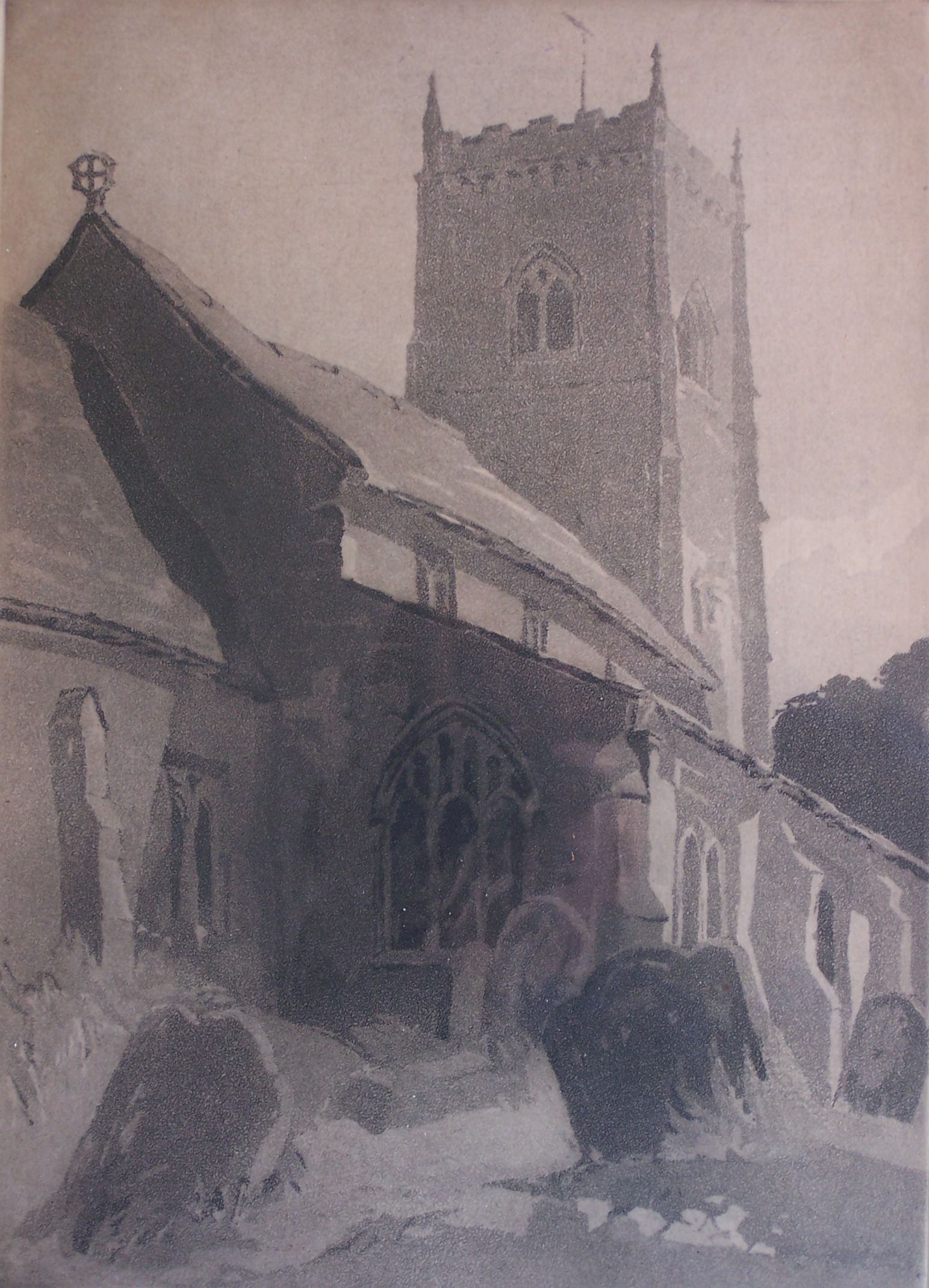
Many artist specialize in one medium although they may experiment with others.  Beatrix Holm delved into aquatinting. Aquatinting is done by the application of acid to make marks on a copper or zinc plate.  Aquatinting then uses a powdered rosin to create a tonal effect. The rosin is acid resistant and typically adhered to the plate by controlled heating. The tonal variation is controlled by the level of acid exposure over large areas, and thus the image is shaped by large sections at a time.

‘Barwick in Elmet Church, Yorkshire’
Aquatint by Beatrix Holm

It is this exposure to varying amounts of acid which creates the different tones in the image.  One can also etch onto the plate (before the acid exposure) an outline of the image or any aspects of the image which one might like to add definition to.  Here is an aquatint of Barwick in Elmet Church in Yorkshire.  The difference in tonality is plain to see but it does not appear that Beatrix Holm etched an outline or any other defining lines onto the plate.  The church is seen from the north on which lies the cemetery.  The tower of the church was used as a lookout for any enemy parachute incursions during WWII.  One can visit the church today.  I’m not sure how old this aquatint is but my guess would be that it was made around 1930.

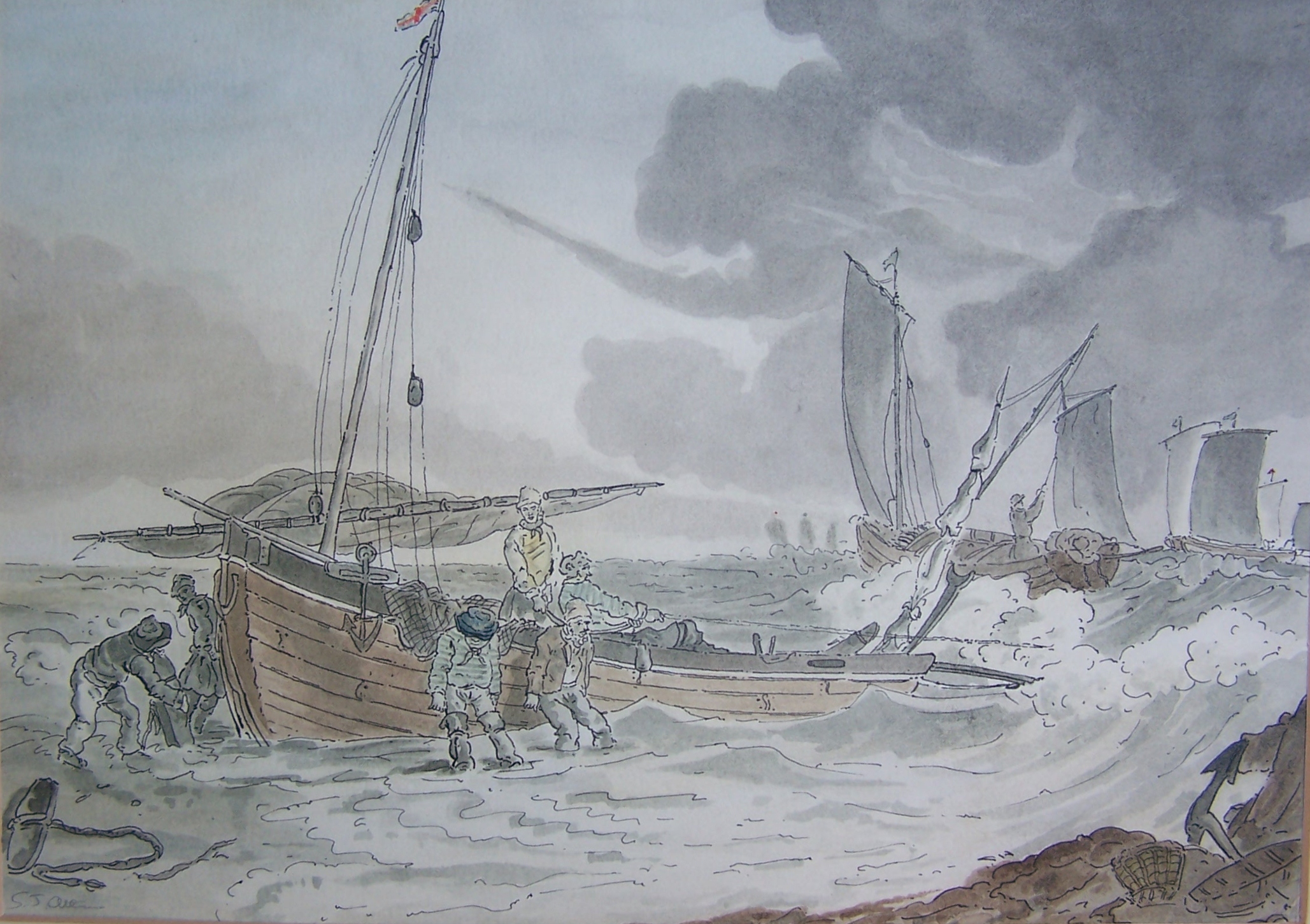
And just for fun I will throw in a pen and wash drawing also.  It is titled ‘Storm off the Fylde Coast’.  The Fylde (Scandinavian for field) Coast is a coastal plain in western Lancashire.  The city of Blackpool lies in the Fylde Coast.

Storm off the Fylde Coast 1806
pen and wash drawing by S J Ath???

Posted in Drawings and Sketches, Etching, Watercolour paintings | Tagged , , , , , , , , , , , , , , | Leave a comment

Art of the Hunt

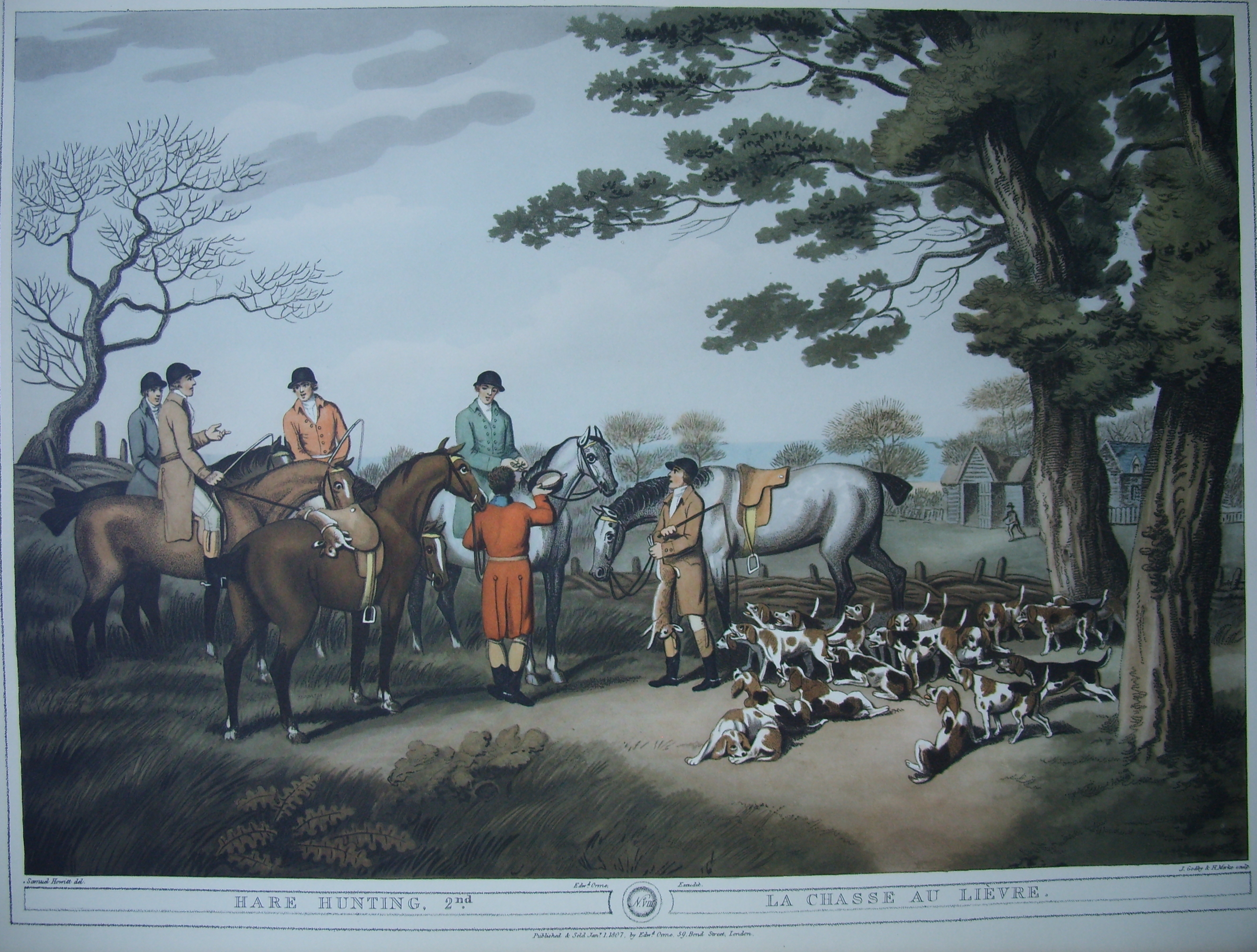
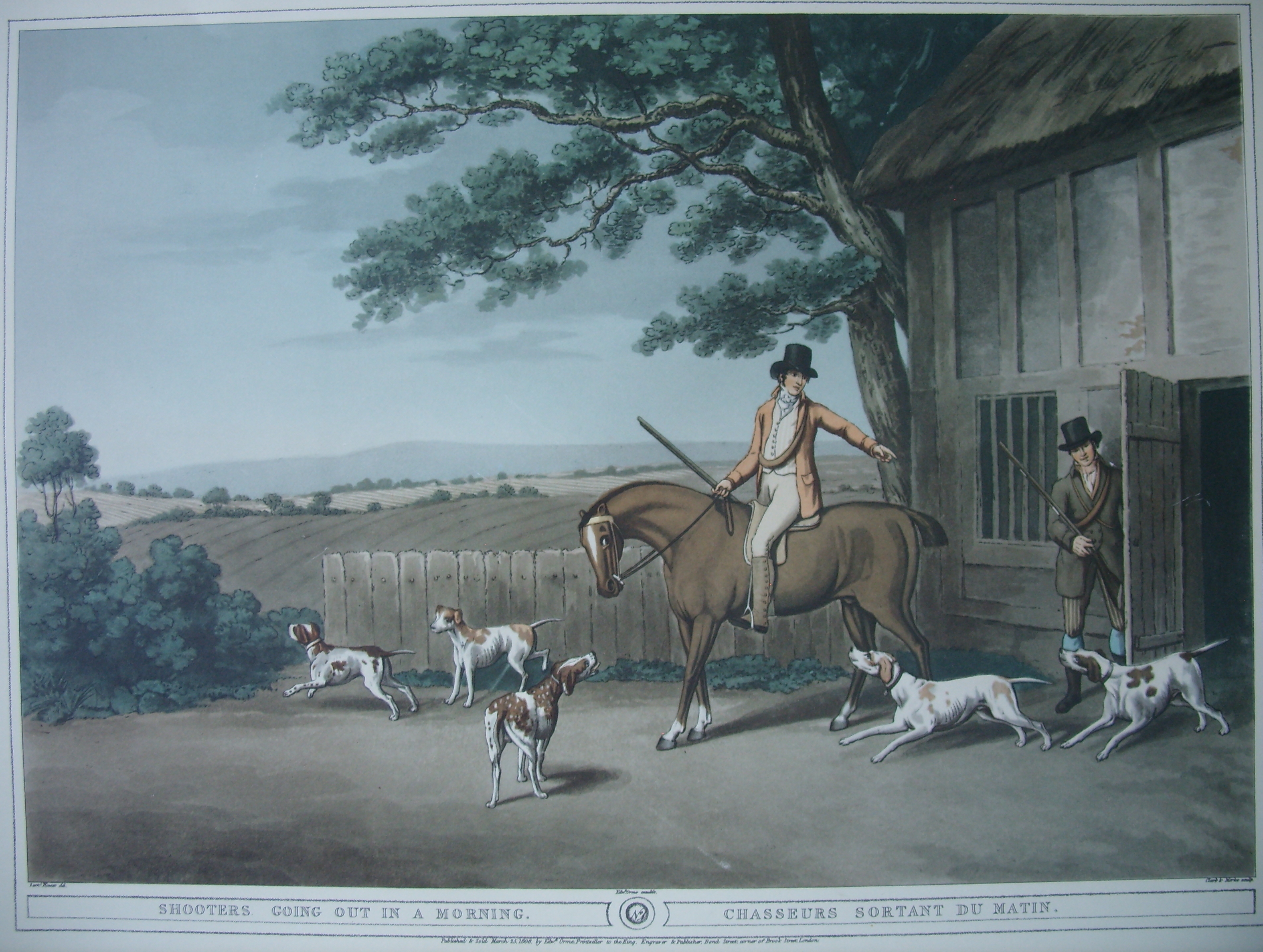
The two images which follow might stir emotions and feelings especially if you are an animal lover.  They present a sport that is no longer valued in this country or time.  Both  are by artist Samuel Howitt.  Samuel Howitt (1756-1822) was a painter and engraver of sporting subjects.  His speciality of choice was hunting and shooting subjects.  Howitt although an engraver usually did not do his own engraving.  He simply drew the original picture from which Godby and Merke ( or others) then etched the plate.  Usually Godby etched the outline and Merke did the aquatinting.  Howitt, Godby and Merke worked together on Orme’s Collection of British Field Sports published in 1807.  One of the truly important early sports books published.

Hare Hunting 2nd – La Chasse au Lievre
Samuel Howitt dd – J Godby & H Merke sculp.
published and sold Jan 1st, 1807 by Edward Orme

Samuel Howitt’s scenes of carnage which occurred at the denouement of the hunts are very popular in Europe but not so much here in England. We seem to have slightly different taste when it comes to the scene of the kill.

The two prints, I picked up, have no carnage nor scenes of dogs tearing at their prey or even the slaughter of the quarry.  Mine portray a more refined and sedate view of the sport.

The first is of the hunting party after they have returned from their endeavours.  They have been successful as can be seen from one person carrying a hare while another hare is tied to a saddle.

Both  prints’ have an image size is 305mm by 435mm or 12″ by 17″ in old school measurements.

Shooters Going Out in a Morning – Chasseurs Sortant du Matin
Samuel Howitt dd – Clark & Merke sculp.
Published & Sold March 25, 1808 by Edward Orme

The second is of the hunts men just assembling their dogs prior to the start of the hunt.  Both prints evoke thoughts of times gone by.  A little of Downton Abbey possibly(popular TV show).  Genteel times.  The hares, foxes and stags which were hunted likely didn’t think so but mostly those days are gone.

Quite a lovely pair of prints.

Posted in Modern prints | Tagged , , , , , | 2 Comments