Art in the East

In my art collection I have several small Japanese paintings. In looking at them, I find it amazing how different cultures see and interpret things around them and then portray them. Three of my paintings come from ‘The Matsumoto Studio’. These three Japanese watercolour paintings on paper are from the early to mid 20th century. They all display pairs of Kamo Mallard ducks. Kamo ducks remain faithful to each other when in pairs and these paintings also symbolise a good marriage and happy home. They have a few aging spots on the paper but they are still fine examples of this style and time.

Kamo Mallard ducks
The Matsumoto Studio @ 1920

Kamo Mallard ducks # 2
The Matsumoto Studio @ 1920
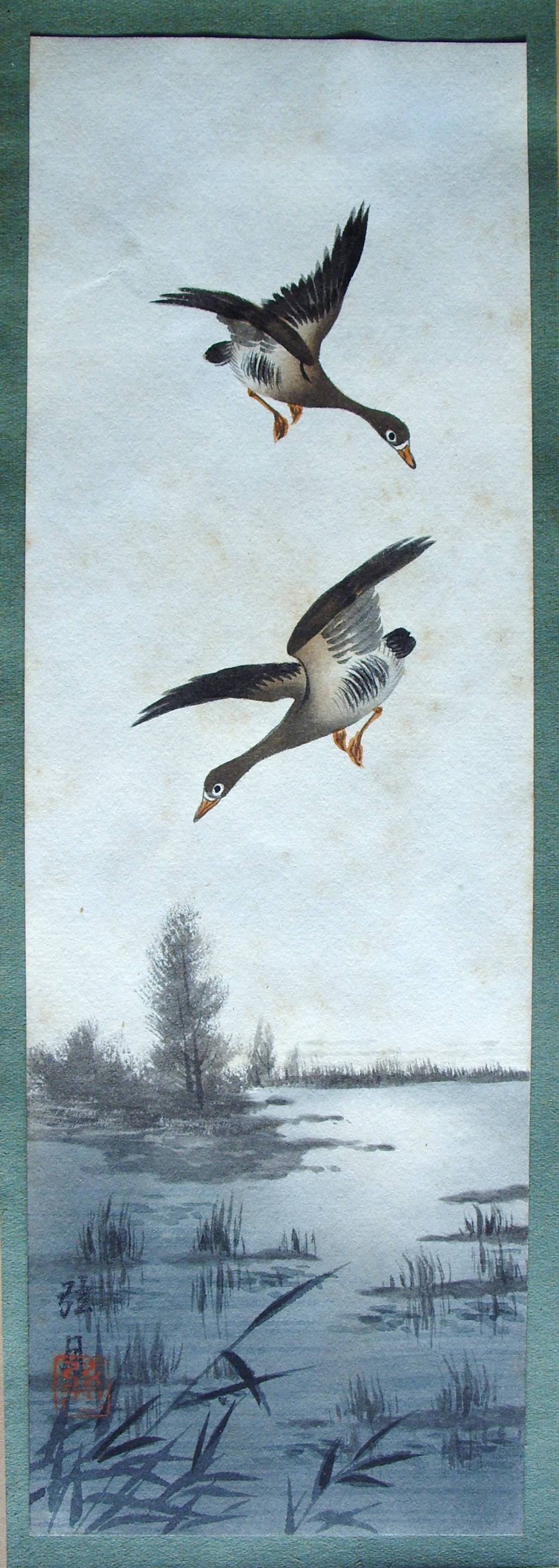
Kamo Mallard ducks # 3
The Matsumoto Studio @ 1920


I also have a pair of village scenes high-lighted in gold leaf. I do not know their age but I think they are older than the previous set. Once again the technique is wonderful and unique to this style and culture. One of this set has the famous Mount Fuji in the background. The roofs of the huts, the birds, and the bridges are all done in gold.
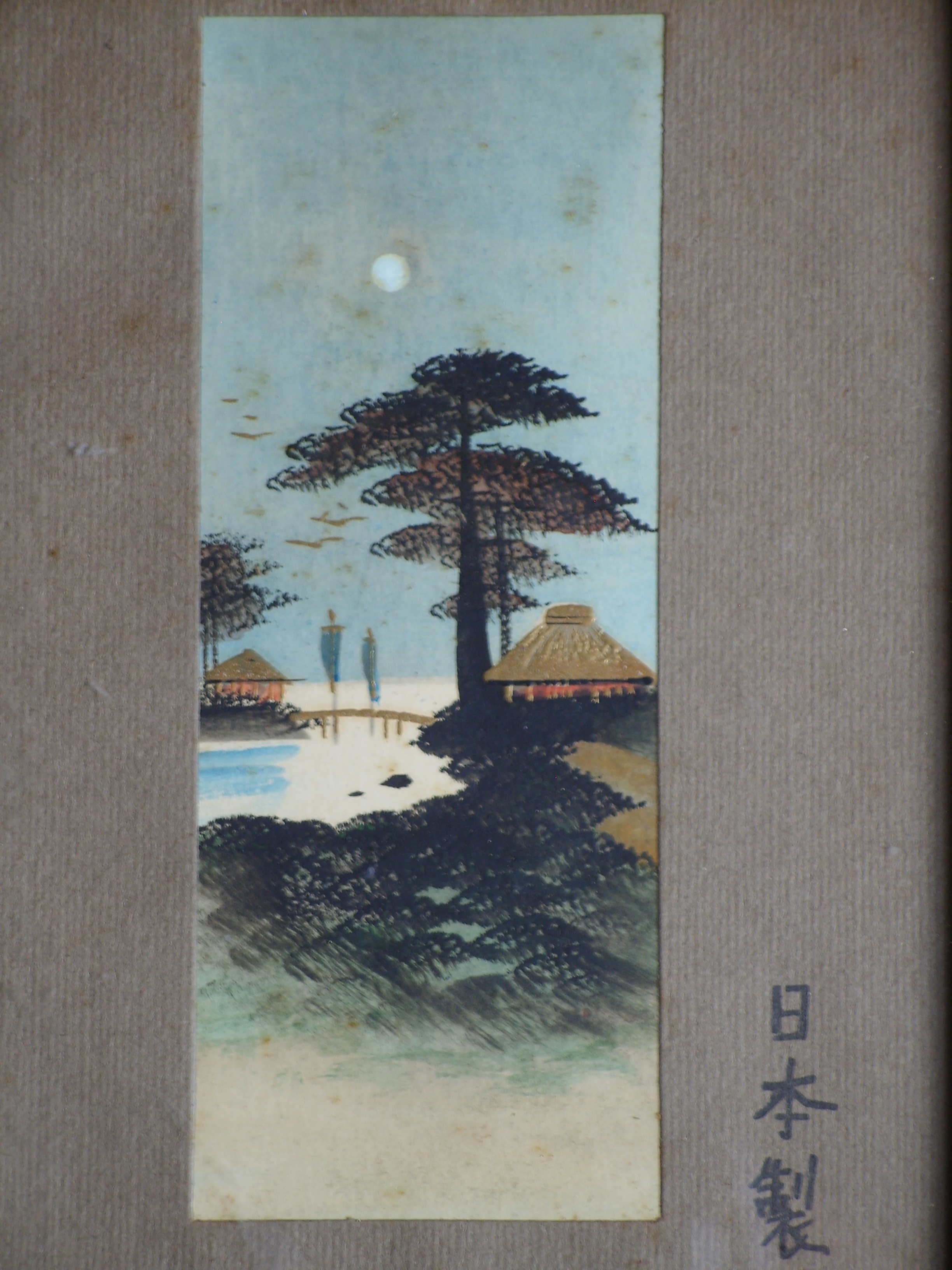
Village scene # 1
with gold high-lights
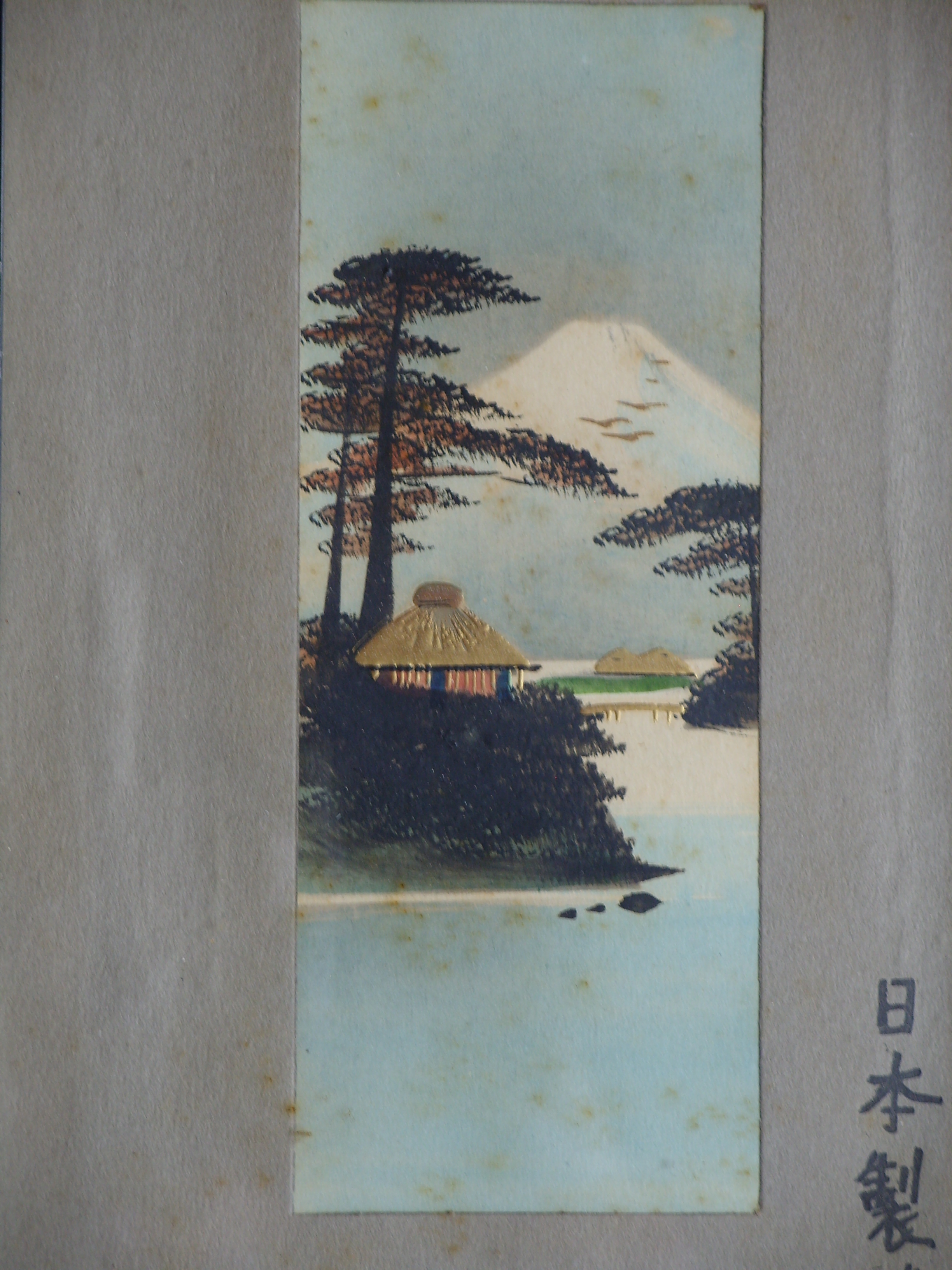
Village scene # 2 with Mt Fuji
with gold high-lights


These scenes are places I would like to see in person. Mt Fuji is spectacular and one can just imagine walking across the bridges from island to small island to visit neighbours and friends. I could sit outside my hut and watch the ducks in their pairs and watch them as they go through their life. Just a place I’d like to go. Maybe some day
Posted in Watercolour paintings | Tagged , , , | Leave a comment

Art of Books

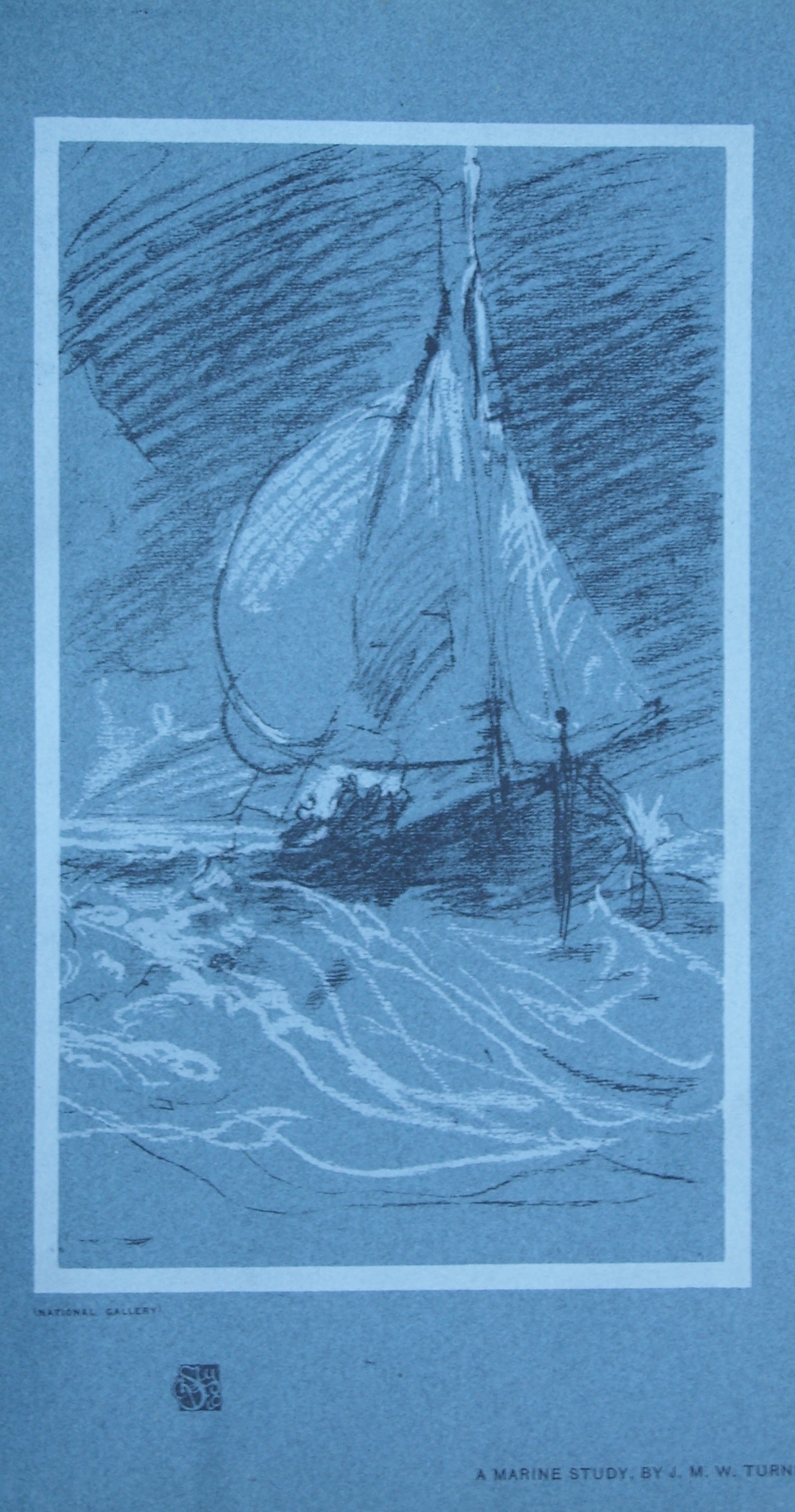
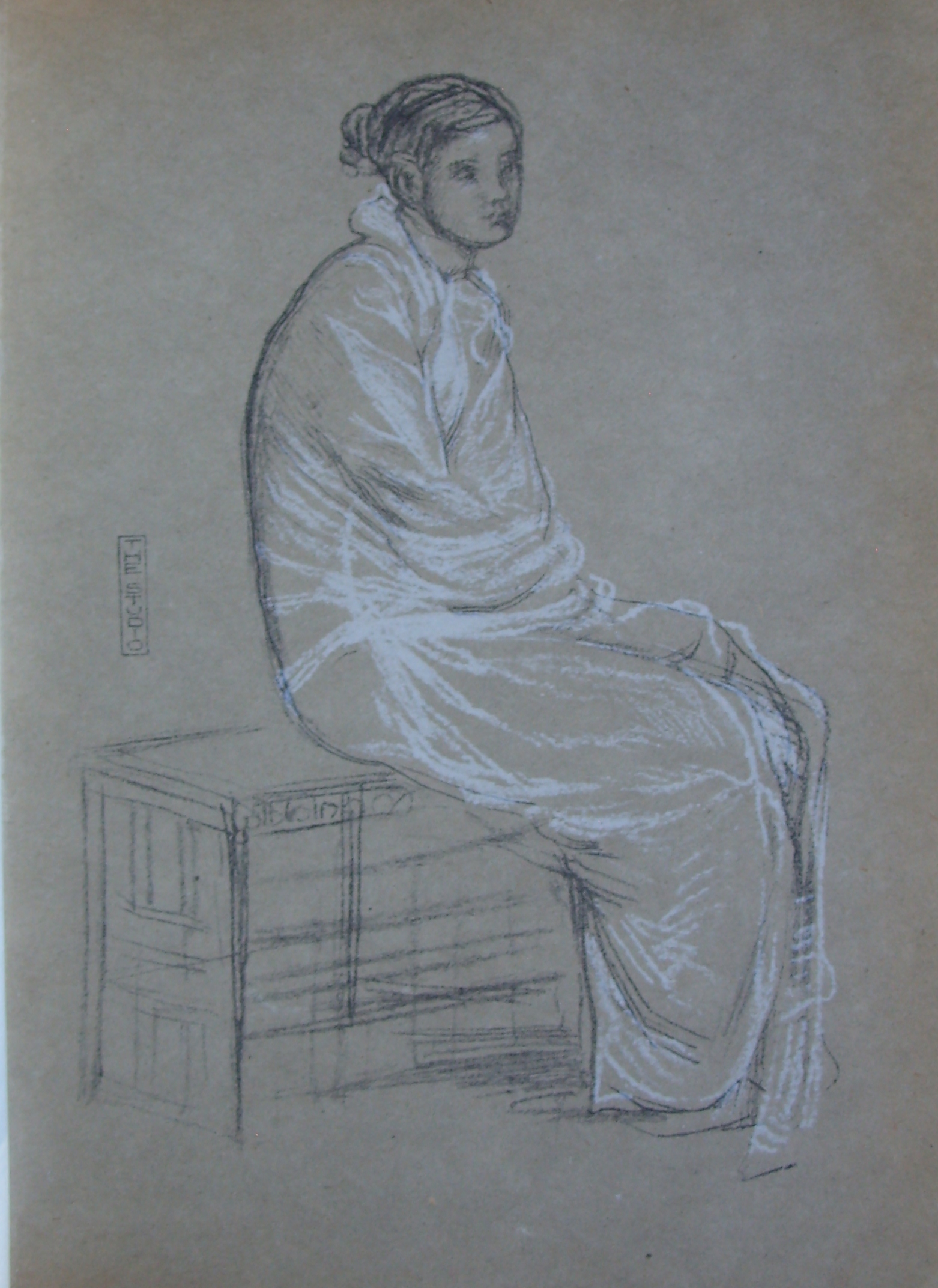
I went out and purchased few old books, art books or books about art, seven volumes in total. Not sure what the total run is but suffice it to say it’s over a hundred. The ones I bought date from 1903 to 1907 (vols 27&28, 34, 35, 37, 39, 42) and are a compilation of ‘The Studio an Illustrated Magazine OF Fine and Applied Art. ‘The Studio’ is a publication noting the contemporary art and artists at the time of issuing. The books I have cover everything from artists to architects, furniture to sculpture. The images of the artwork is to an extremely high quality and in a number of the books is included several first rate lithographs by well known artists. I include a few images from the volumes I have.

;A marine Study’ by J M W Turner
lithograph from The Studio 1906

‘An Early Study’ by J McNeill Whistler
lithograph from ‘The Studio’ 1903

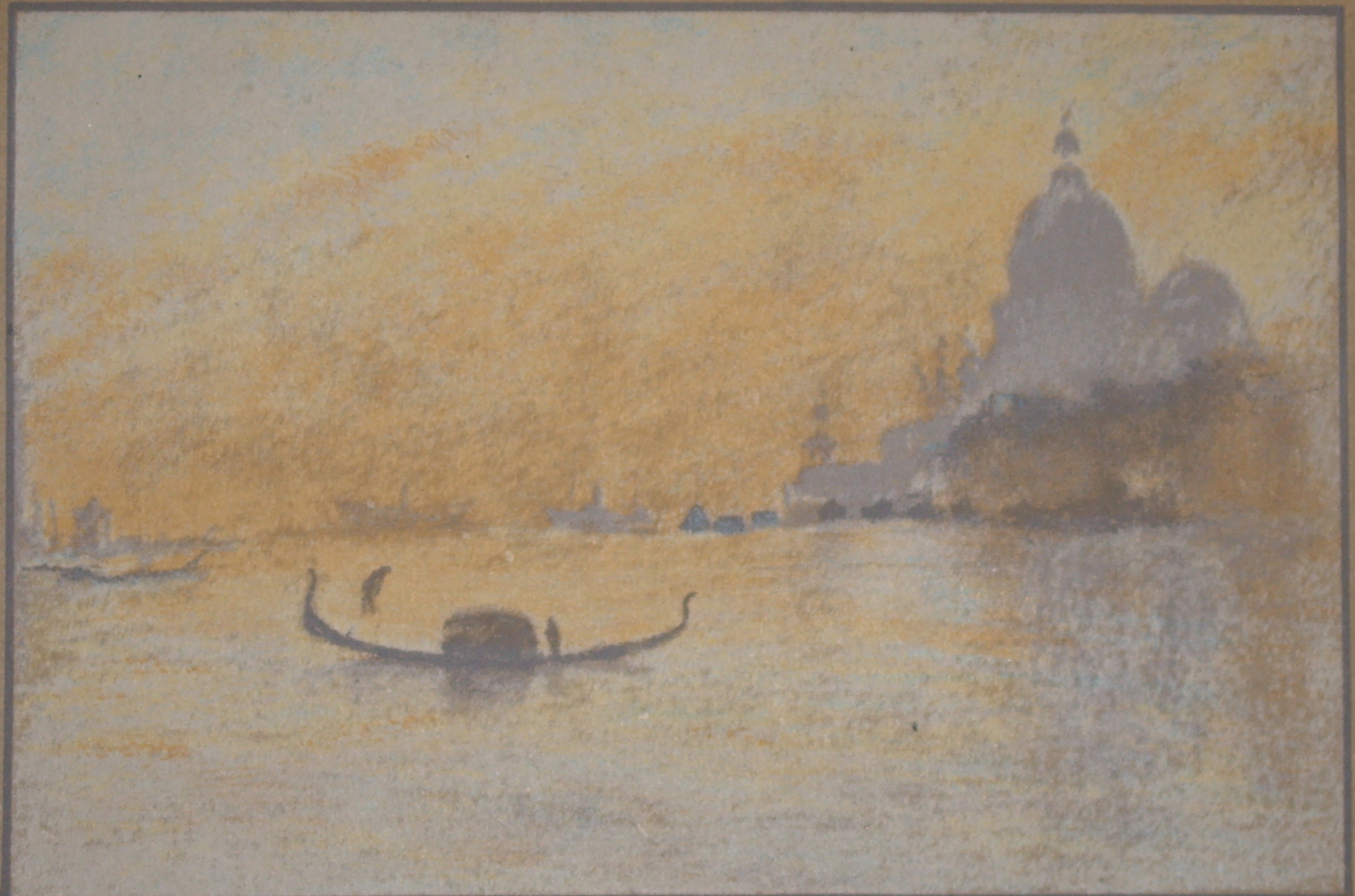
‘The Salute’ by J McNeill Whistler
lithograph from ‘The Studio’ 1906

Posted in Lithographs | Tagged , , , | Leave a comment

Art in Life

Some months back, I and my wife travelled to Israel for a holiday. We stayed in a flat down-town Jerusalem. We went as a celebration of our 30th wedding anniversary. We went to see friends which we have made over the years and to see the city of Jerusalem. Although I could talk about our trip, I want to talk about one incident only which opened my eyes to a truth that I have known as true for a long time but now see with new eyes, more personal eyes. The original incident involves me only through history and genealogy. We were sitting in our friends office relating things of our lives past and present and into this conversation came the comment that my grandfather had hid Jews and Allies on his farm in WW2. For this he was betrayed and sent to the notorious concentration camp at Amersfoort. Needless to say he survived. It is my understanding that he was one of the few men to escape from the cattle cars as he was being transported to the death camp.

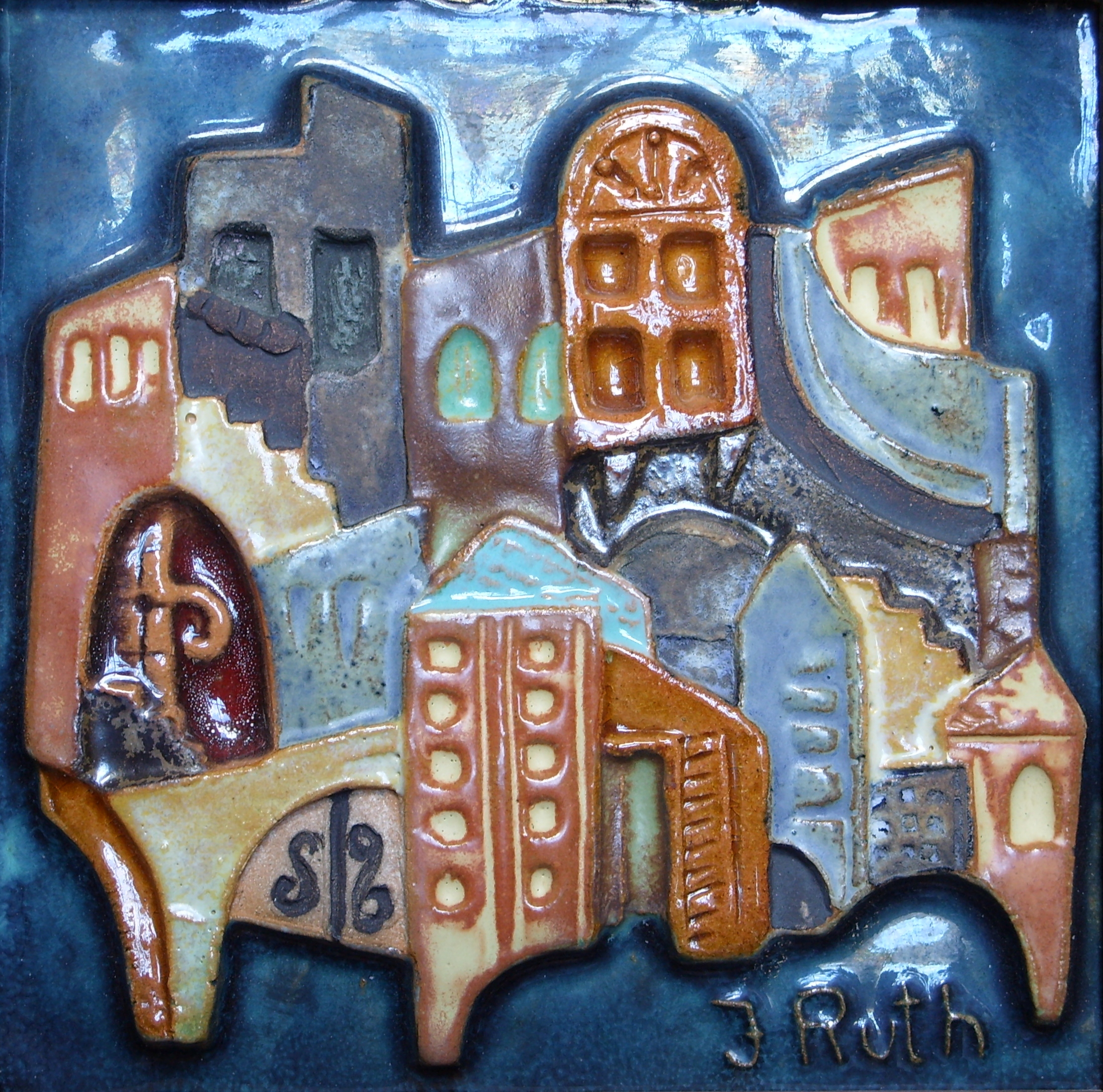
Jerusalem Cityscape – ceramic tile
by Ruth Faktor

Our friend stated a truth that I had not taken in before. He said ‘so you are the descendent of a Holocaust survivor’. This coming from a Jewish man took me aback. I couldn’t respond, wasn’t sure how to respond and yet it was true my grandfather had survived the camps. This momentous point in history became much more personal, so much nearer the heart and so much more pivotal for me.
As one walks through Yad Vashem (The Holocaust Martyrs’ and Heroes’ Museum) one comes across the ‘Avenue of the Righteous Among the Nations’ and the ‘Garden of the Righteous Among the Nations’. I walked with my emotions raw, I am not ashamed to say that I shed a tear, but I also walked with the knowledge and strength that my grandfathers’ name would not have been out of place with the others which I read there. A man who farmed the land, lived by faith, and loved his family and his fellow man.

Posted in Ceramics/Pottery | Tagged | Leave a comment

Art in History

Earlier, I wrote about art representing events in history. William Simpson from my first post was renowned as a war artist. He is remembered for his portrayal of ‘The Charge of the Light Brigade’. It must have been exciting, exhilarating, and dangerous for these war artists to do their work. Paul Mansard traced the progress of the WW1 in Belgium and France. His beautiful and at times disturbing pictures document the loss and devastation caused by the war. They were a response to events and had widespread appeal.

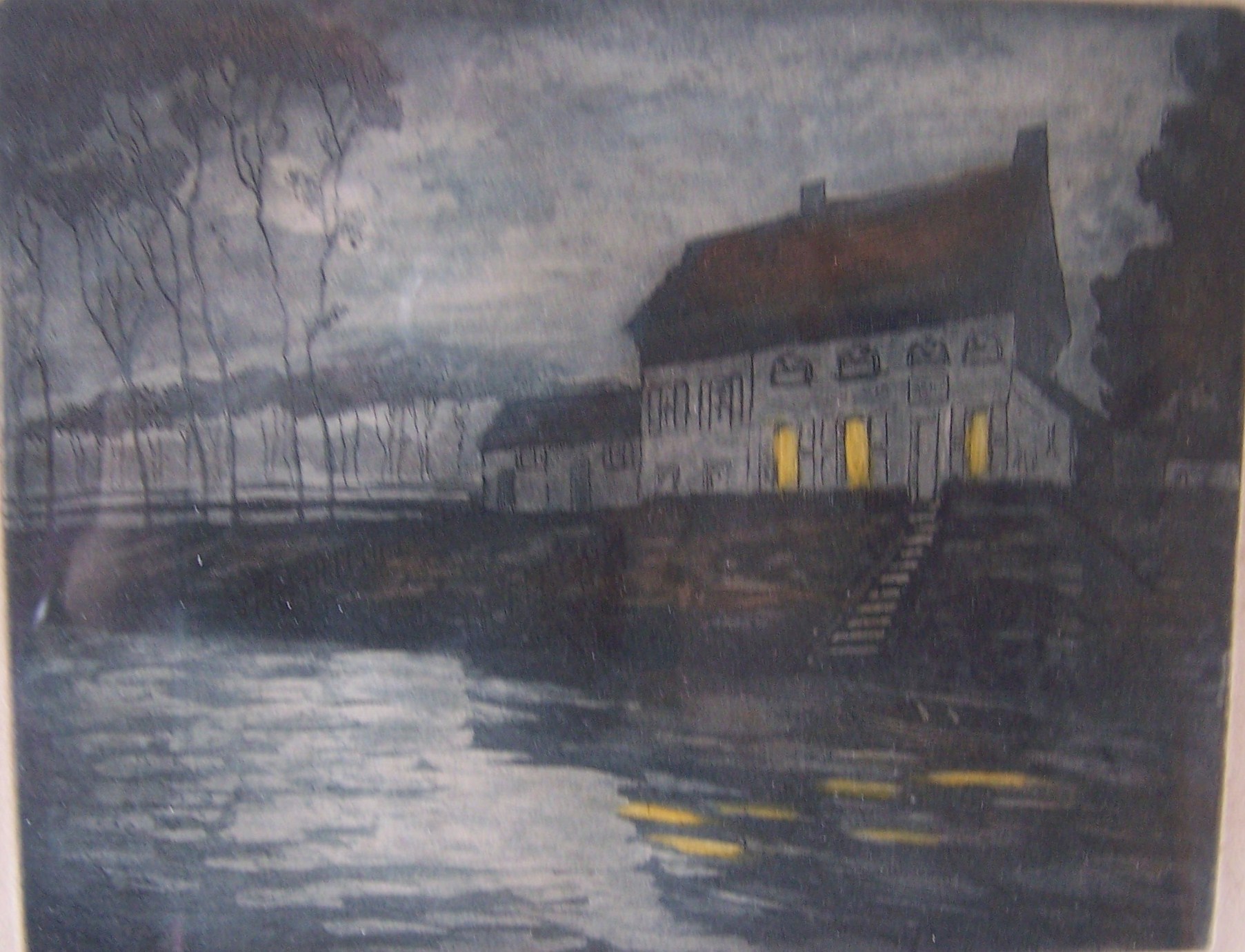
L’Yser – La Maison in Passeur @1914
coloured etching by Paul Mansard

The illustrations were the equivalent of modern-day photojournalism. They recorded what had been lost; the destruction wrought on the landscape with its farms, churches and great civic monuments, and places which had a special significance to those caught up in the conflict.’

The ‘Ferryman’s house’ shown in this etching was a strategic battle site in December of 1914. Although this etching shows little damage, in truth the house was bounded by trenches on both sides containing some 200 men and the Germans maintained machine guns in the house itself. The ‘Ferryman’s house’ fell to allied troops after six attempts. The attack was planned for the evening of Friday, December 4th, 1914. The 11th battalion of the 1st Zouaves, reinforced by the 4th Company of the 94th Territorial, and backed by a company of Bat-d’Af. The dark night was shaken by storm, thunder, lightning, raging winds, snow so wild that the attack was postponed. On the following night the rain covered the initial advance to the wire and the main attack followed quickly and unexpectedly. The fighting was fierce and claustrophobic in the trenches. They fell to the Allies but the worst was yet to be faced. The dread machine guns in the house spewed forth their death as the troops pressed forward. The darkness hid the devastation and the advantage, thankfully. For two hours, darkness streaked by lightning, the attack on the house continued until it fell to the Allies. The ‘Ferryman’s’ house was razed to the ground. But only in the dawn’s light was the cost of this battle truly seen.

Posted in Etching | Tagged , , | 8 Comments

Art in Adventure

When I travel, I like to experience things that I have not done before, go to places I have not been, meet people I don’t know, and taste food I have not eaten before. I have visited quite a number of European countries. I’ve been to Israel, India, Bulgaria. I have a list of places which I would like to see. But adventure can be just around the corner or down the road.

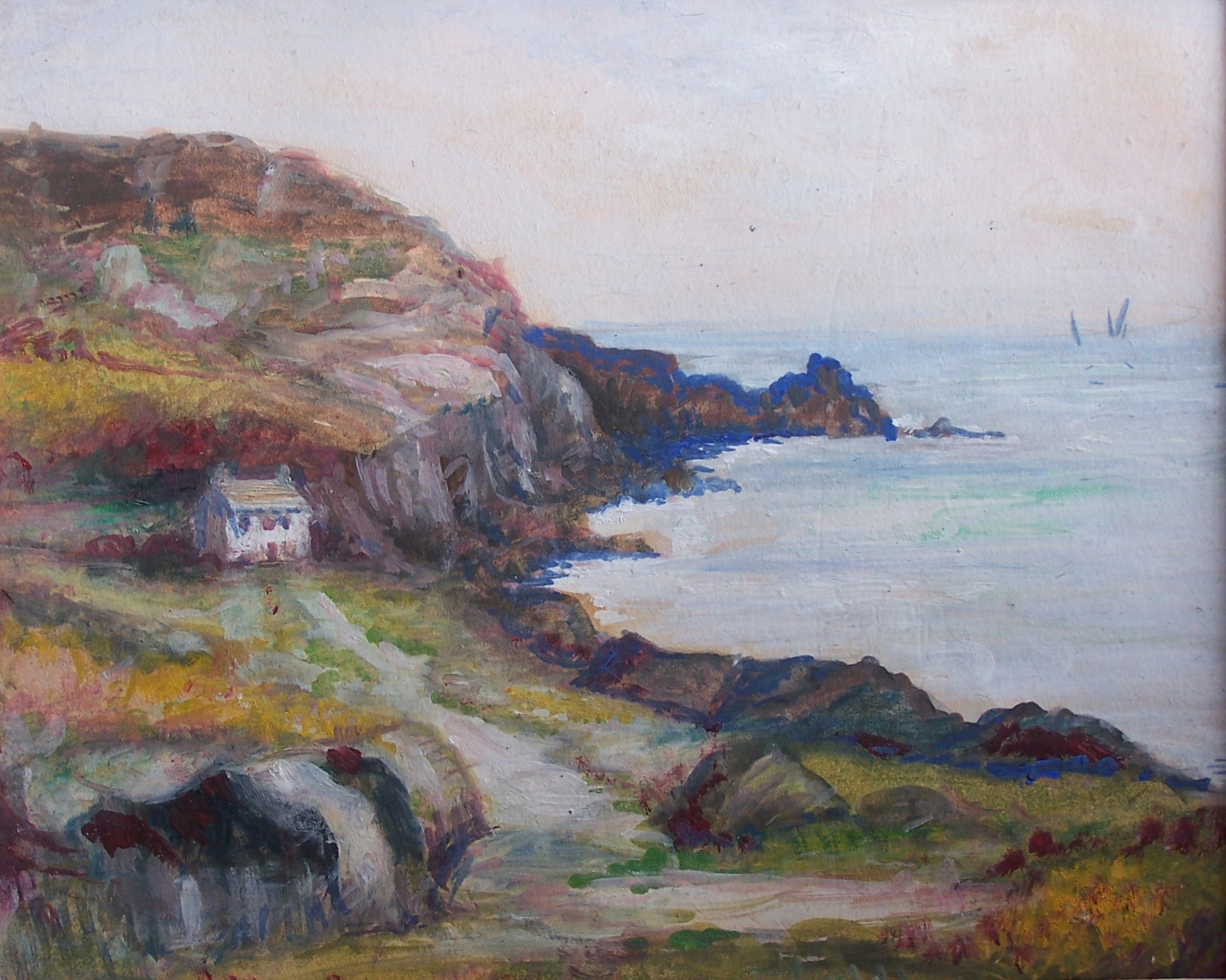
‘Lamorna Cove’, Cornwall 1946
oil painting by R D

It could be a visit to the beautiful Cornish coast to walk along the shore. There are easily accessed beaches but believe me it is an adventure just to get to some of the more secluded beaches. Lamorna Cove is typical of the rugged coastline which one finds in Cornwall. A beautiful place to be  and walk the coastal paths, to scramble down to the beaches. History abounds, every corner you turn brings you to something else you should stop and see from Tintagel (King Arthur’s birth place) to the many fishing villages with their narrow streets.

‘Beinn Griam Beg’ from Forsinard 1919
watercolour by A J Bryans

Or possibly you prefer to visit further a field. Possibly to walk Beinn Griam Beg in Scotland. You might like to stay at the remotest hotel (The Garvault Hotel) in Scotland but it is the closest to Beinn Griam. Walk the wonderful highlands for there is space to move up here. Look and see what space really is, miles of wilderness, untouched, undeveloped. Where getting lost is possible and dangerous. Come fish, come hunt with gun or camera, come birdwatch, this place invites you to come and experience the traditional highland pastimes or come to this place and find beauty, peace, solace and isolation. A little bit of heaven, well maybe just a little maybe a lot.

Posted in Oil Paintings, Watercolour paintings | Tagged , , , , | Leave a comment

Art of Maps

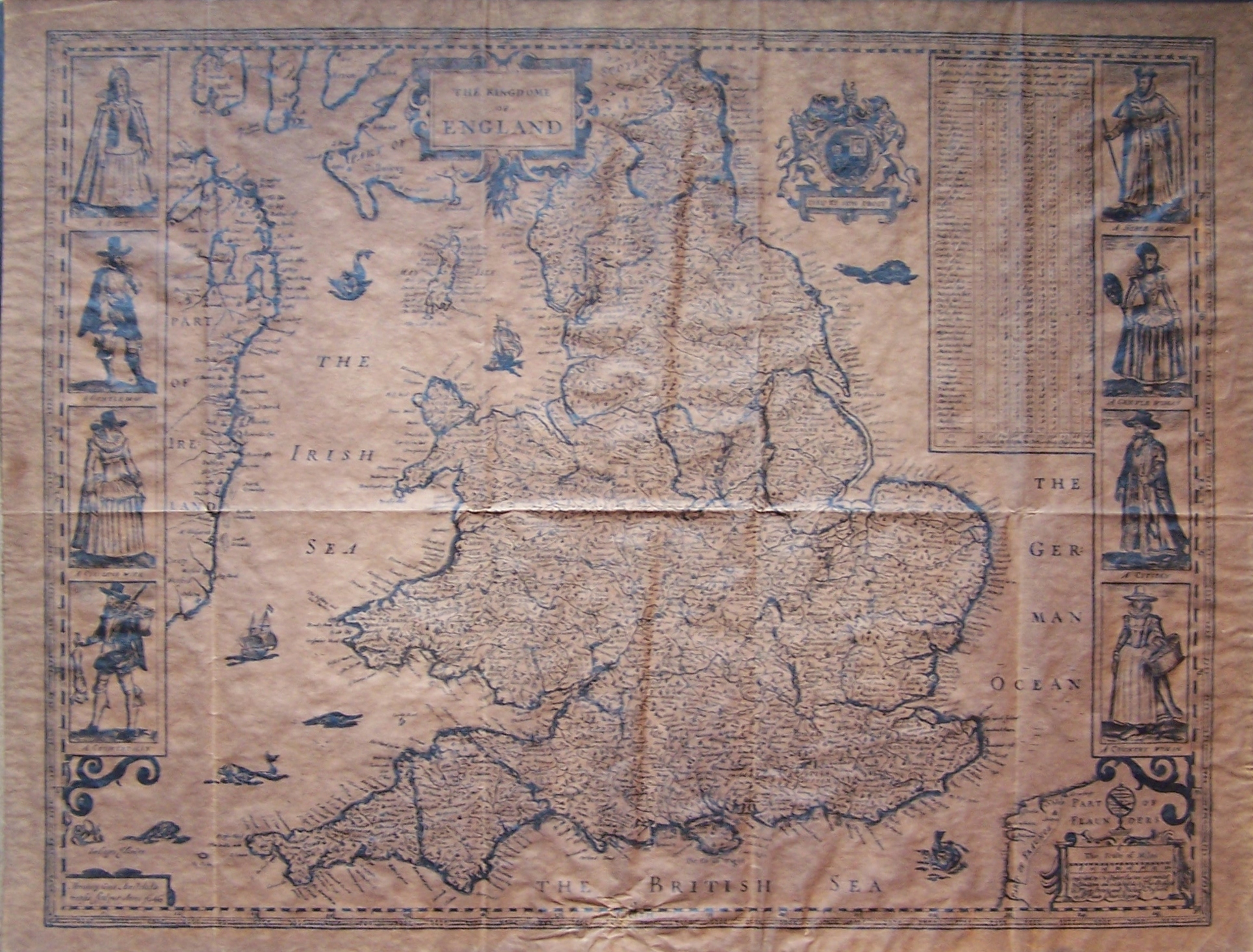
To all things change comes as seen with the previous chapter and its’ etchings. Travel takes one down many roads. We now use GPS to find our way around but before we used maps (pilot and co-pilot). They have gotten us from A to B for hundreds of years. Styles change, place names change, new roads appear and yet they are still what get us to where we are going. The following map I picked up recently and it is titled ‘The Kingdome of England’.

The Kingdome of England 1646
by Abraham Goos 1590-1643

It is by the renowned map engraver Abraham Goos. It is not in wonderful shape any more. It has been folded and put away somewhere and left. If it was coloured it no longer remains so. And yet even in the shape it is in, it remains a wonderful thing to look at. Images of a Noble man, a Lady, a Gentle man, a Gentle woman, a Citizen, a Citizen’s wife, a Country man , and a Country woman adorn the sides of the map. A glossary of shires, cities, bishoprickes, market towns, castles, parishes, rivers, bridges, chases, forests, and parkes has been added. It has ships sailing the seas and leviathans rising out of the deep. It has the British Monarchy logo with its’ motto ‘Dieu et mon Droit’ – God and my right’. It’s a doorway into another time, its’ costumes, its’ class system, and its’ monsters which ruled the seas.

There are maps still being made today but do we use them or even look at them any more. We rely on technology and have displaced the map into the category of art.

Posted in Etching | Tagged , | Leave a comment

Art of Place

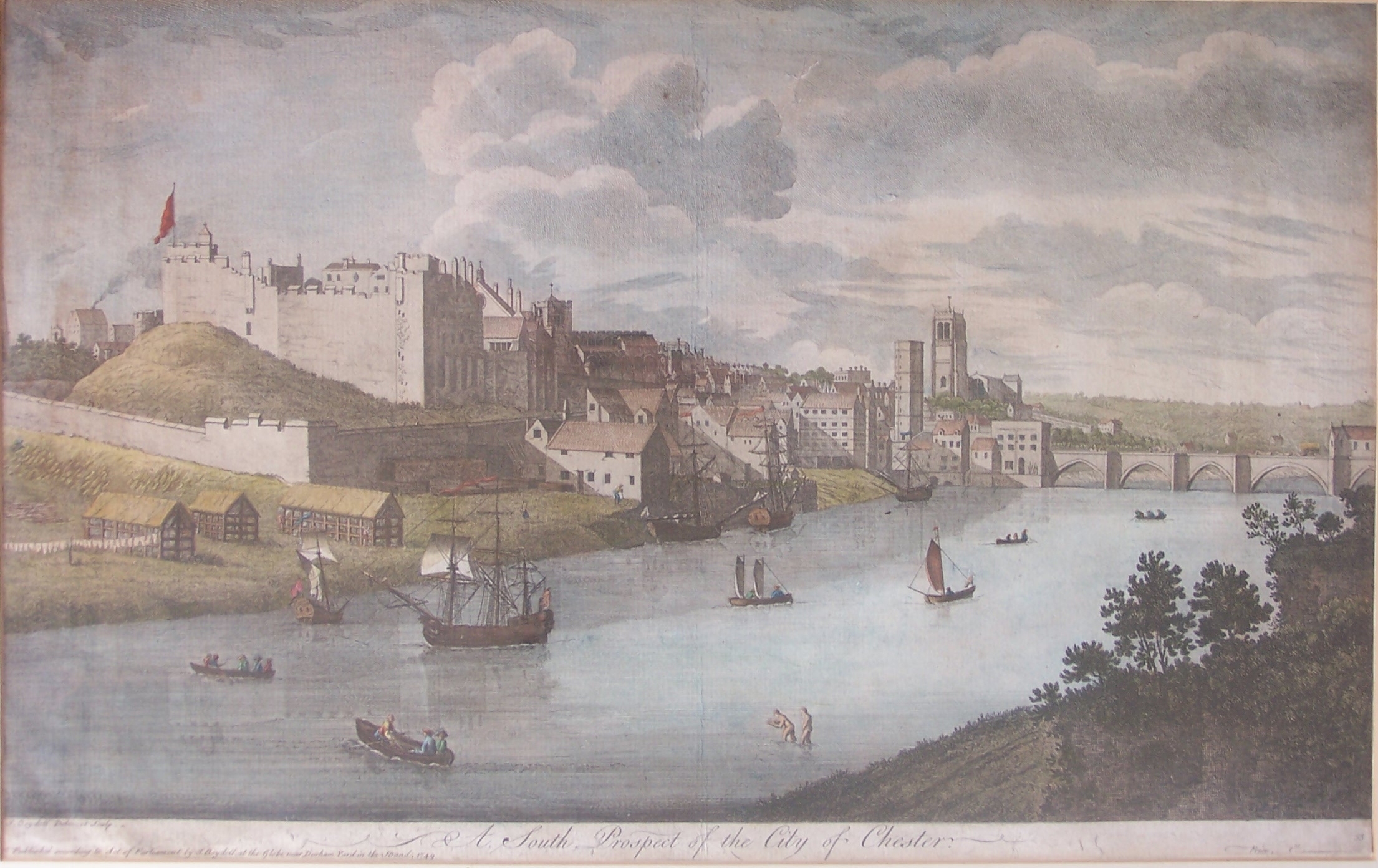
In my travels around this country, many of the roads which I have driven pass places which have changed over time. For better or worse, some places have fallen into non-existence into ruin and yet others have grown into huge cities I give you three engravings which show things as they used to be. Was it a better time or just a time – no better no worse. I know the city of Chester has changed extensively since this view was engraved in 1749.

South Prospect of the City of Chester
by J Boydell 1749

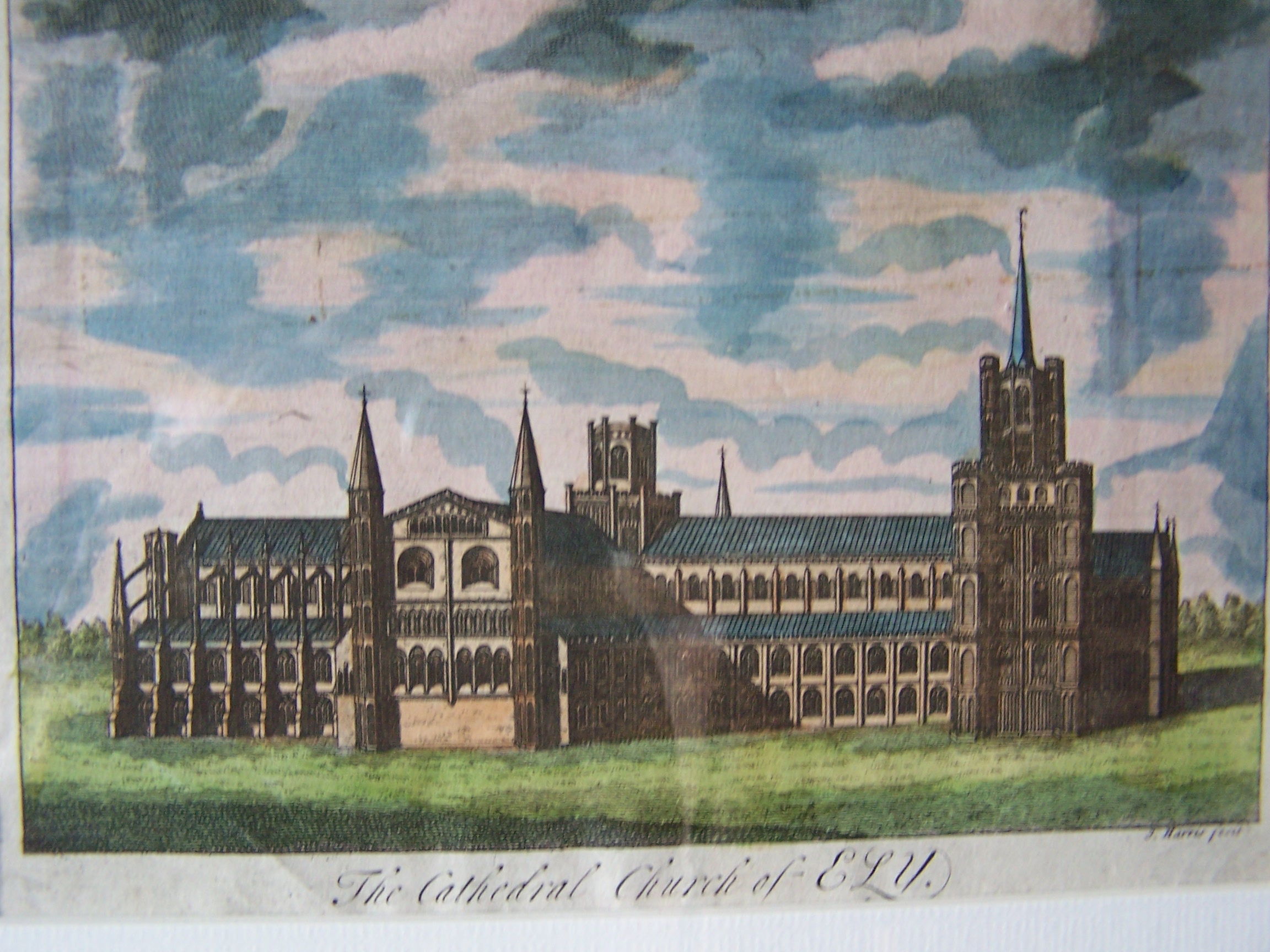
Yet the following place, which is close to my heart, has not really changed for hundreds of years. It is a house of prayer and will continue to raise the prayers of the saints as sweet incense for hundreds more. It stands high and regal – the ship of the fens- holding forth its’ reason for being. You cannot tell from this etching that Ely Cathedral stands on a bit of raised ground once surrounded by many miles of fenland or swamp. A mire for all to fall into unless you knew the way to enter.

Ely Cathedral ‘The Ship of the Fens’
possibly by Johannes Kip/J Harris

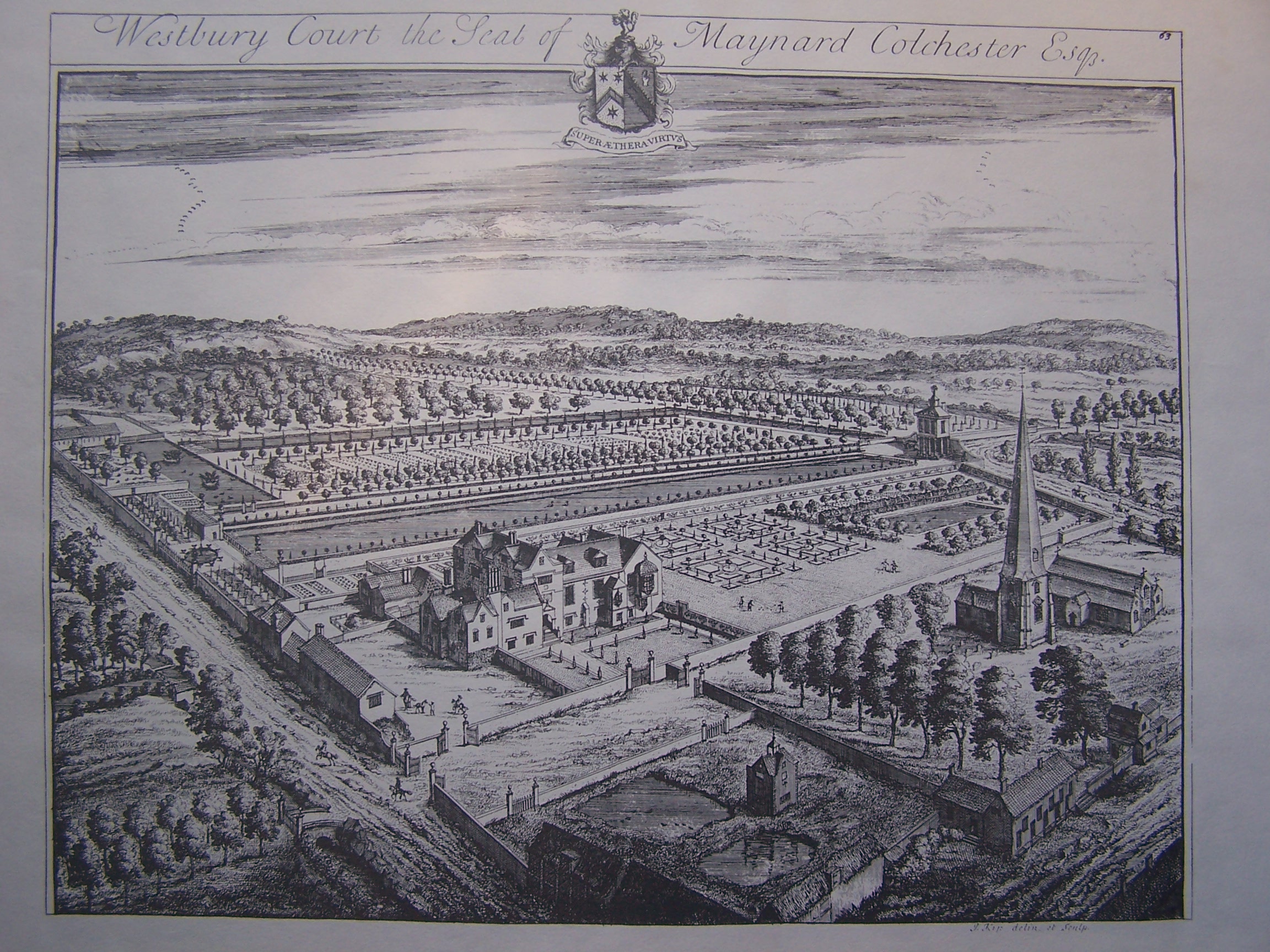
We also have in this country, houses and estates which have been taken over by either English Heritage or The National Trust. Westbury Court was offered to the National Trust in 1967 and they used the etchings by Johannes Kip (like the following etching) to re-instate the gardens and grounds to their original form. Westbury Court was the home of Maynard Colchester who was the co-founder of ‘The Society for the Propagation of Christian Knowledge’ (better known as the SPCK).  Maynard Colchester’s original planting  records still exist. The oldest holm oak tree in England is said to stand in the garden at Westbury Court. It was planted around 1600.

‘Westbury Court Seat of Maynard Colchester Esq’
engraving by Johannes Kip 1712

Posted in Etching | Tagged , , , , , , , , | Leave a comment

Art of Locality

Living where I do has allowed me to travel but I also like to visit places which might not be considered far away. The following pieces of art which I have chosen are by local artists.

‘Going Home’ by E Herbert Whydale
etching undated


We begin with an etching of a couple walking past a barn door on their way home at the end of a long day. It is by E Herbert Whydale 1886 1952.

Well known for his etchings of country life he also loved to paint horses especially while they laboured.

The Royston Museum and Art Gallery have a fine collection of this local man’s paintings and etchings.


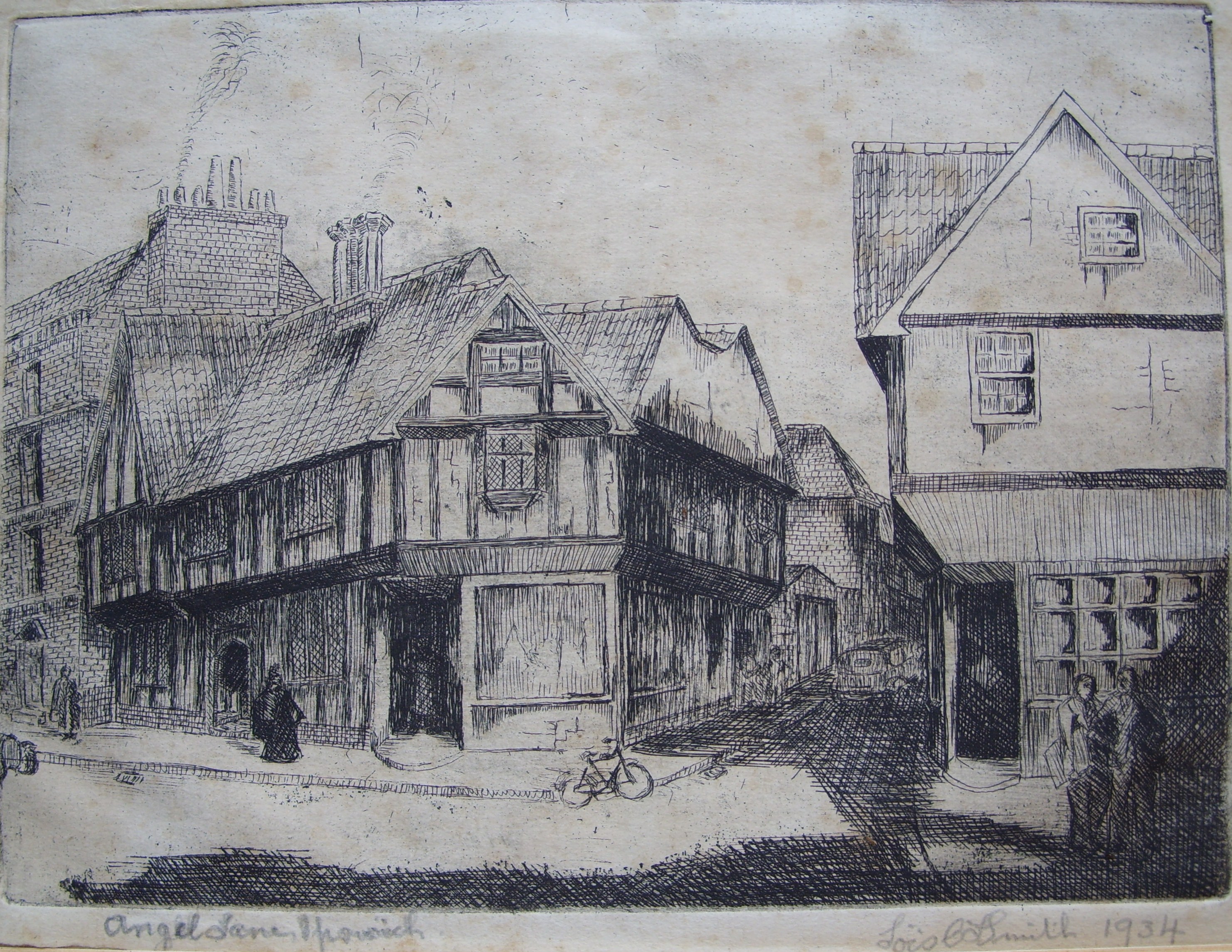
‘Angel Lane, Ipswich’ by Lois Goldsmith
etching from1934


My second picture today was done in 1934. I know nothing in regards to the artist, Lois Goldsmith but I do think that she has a very good eye for detail and the skill to portray it on the page.


Both of these etchings hang on the wall in my office. I find the skill and artistry in them amazing and I know that if I drive for a short distance I can be in the same spot where these two artists found their inspiration. Amazing what is so near and at times not seen.

Posted in Etching | Tagged , , , , , | Leave a comment

The Gift Of Art

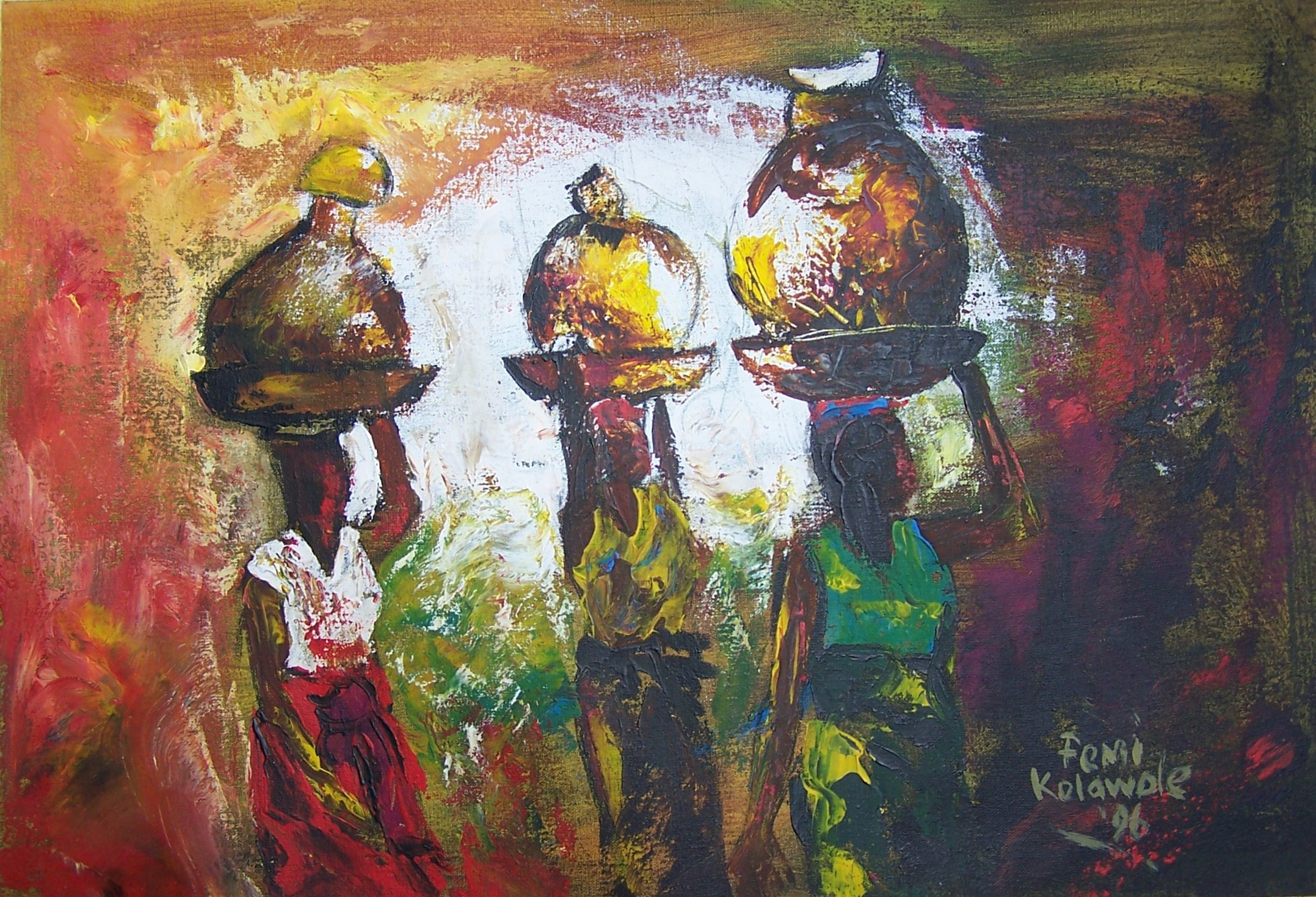
Recently, I assisted a friend and her family move due to unforseen circumstances in their family life. I volunteered my services but in thankfulness for my assistance I was given a gift. This gift consisted of artworks which my friend had brought from her home country of Nigeria. Three paintings which are vibrant, full of life and colour. A joy to look at and imagine that I am there as horse and rider (vuvuzela in hand) thunder towards me or the drummer singing and praising with his song while I watch on, or just admiring the women singing as they carry water from the river to their homes. They are by Nigerian artist Femi Kolawole (now living in the USA, I believe).

‘Talking Drum’ by Femi Kolawole 1996
acrylic on canvas

‘Durbar’ by Femi Kolawole 1996
acrylic on canvas

‘Water from the River’ by Femi Kolawole 1996
acrylic on canvas

Posted in Oil Paintings | Tagged , , , | Leave a comment

Oil and Water

Today, I came across two very different pictures. One an oil and the other a watercolour. Both lovely and yet very different in style.

Frelser Kirke, Christianshavn, Copenhagen by Chr F Beck 1947
oil on canvas

The oil painting is by Belgian artist Christian Frederick Beck 1876 – 1954. Beck is better known for his many early landscape paintings with motifs from the Randers area, and in recent topographic architecture pictures in which he especially cultivated motifs from Christianshavn.This picture is of the interior of Frelser Kirke (Our Saviours Church) Copenhagen. Signed and dated 1947. It shows the pulpit , pews and some of the alter designed by Nicodemus Tessin. The church is one of Denmark’s major tourist attractions with it’s twisted spire. It is a national treasure and a living parish church to some 8000 people.


My second picture today is a street in Paris. A watercolour by the artist DRYZE and dated 1979. Depicting a Paris street in winter (hence the barren trees) its’ lines and colours convince one of the dull cold  and yet with the expectation of life inside the structures pictured. A space awaiting its’ fulfilment, a space soon to awaken with life.

A Paris Street Scene by DRYZE 1979
watercolour

Since posting this, I have been contacted by several people with information as to who Dryze was.  His real name was Michel Frydzinski and sadly he passed away in 1990.  For many years he lived off the Sacre Coeur near Place du Tertre where he worked in Rue Lamarck.  He had a regular stall in Montmartre and painted scenes of the Normandy coast as well as his beloved Paris.  He was French by birth and Polish by descent.  An artist sadly missed but remembered through his expressive art.

Posted in Oil Paintings, Watercolour paintings | Tagged , , , , , , , , , | 31 Comments