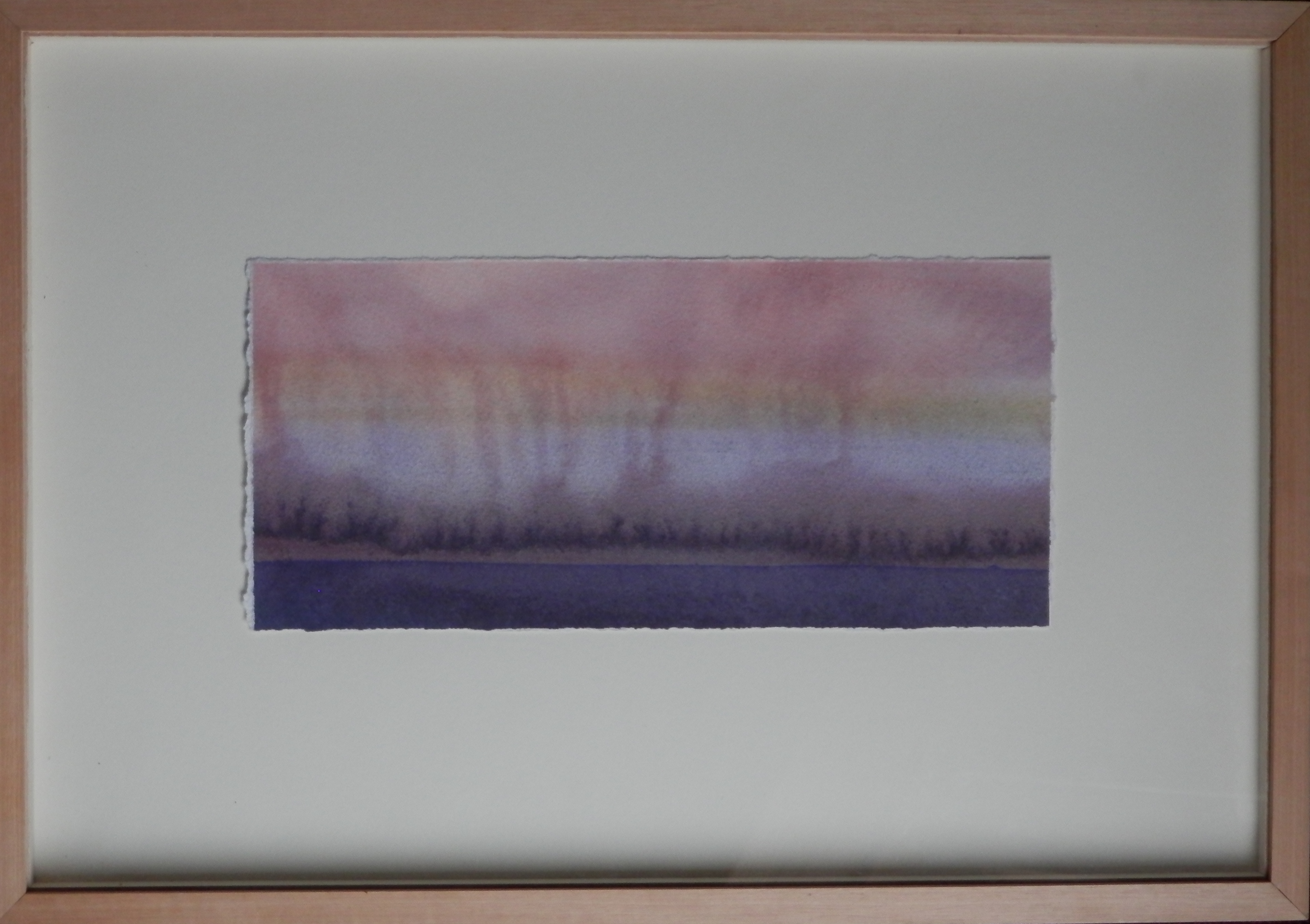
Art of T. Leslie Hawkes

I love going into galleries and museums wherever I go.  Galleries filled with local artists’ creations can inspire as well as inform about the area that is around.  #TLeslieHawkes was a well-known Lake District watercolour artist who was inspired by the area of the country he lived in. I recently came across a number of his works.
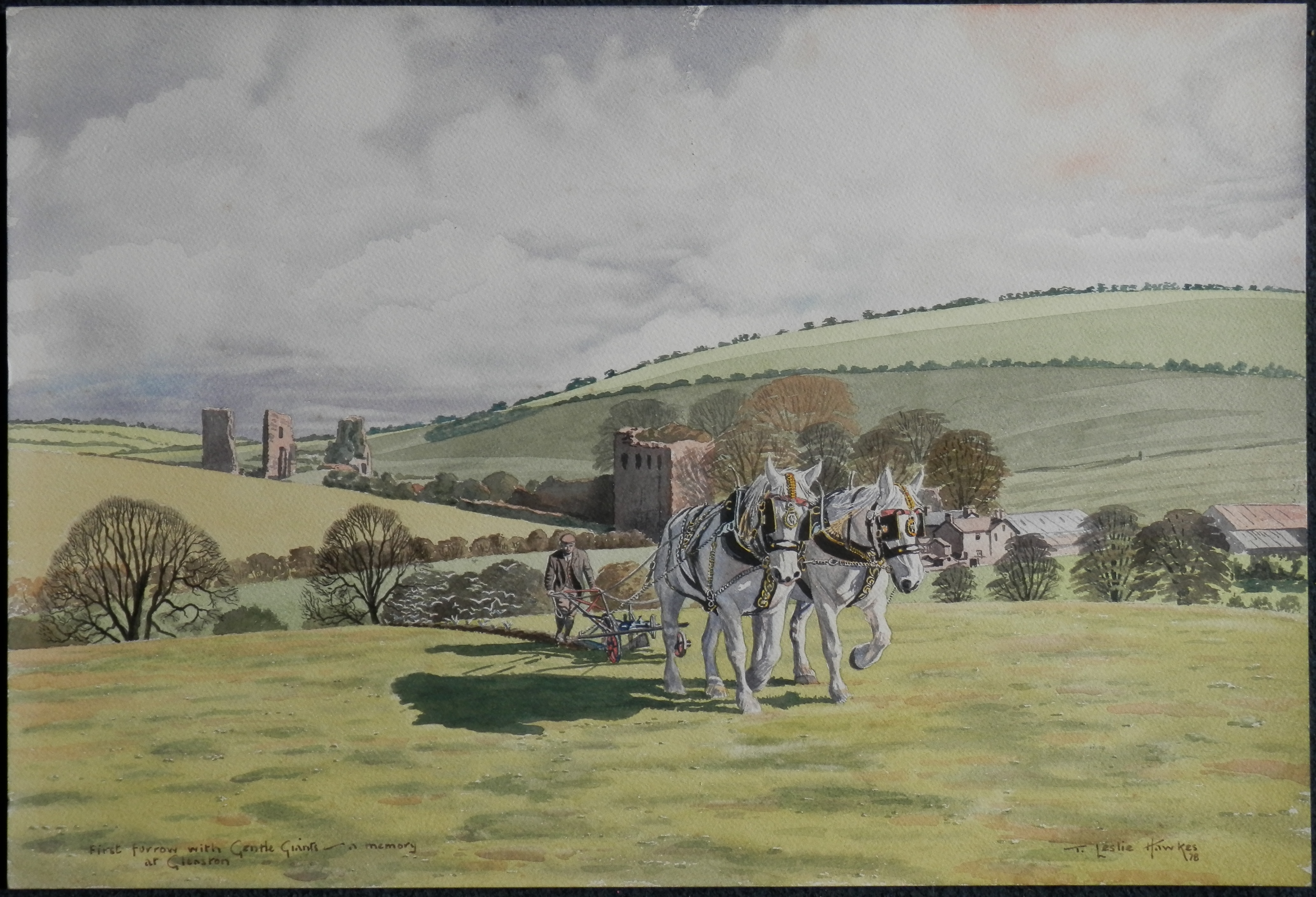
First Furrow with Gentle Giants a memory at Gleaston watercolour by T Leslie Hawkes 1978

First Furrow with Gentle Giants – a memory at Gleaston
watercolour by T Leslie Hawkes 1978

Having lived for a large part of my life on a farm, I love pictures concerning rural and farming life.  The massive and powerful beasts which can pull a plough through a fallow field are also beautiful and gentle.  Of course where I grew up we didn’t have castles – not even ruins of.  The ruins in the background here are those of Gleaston Castle.
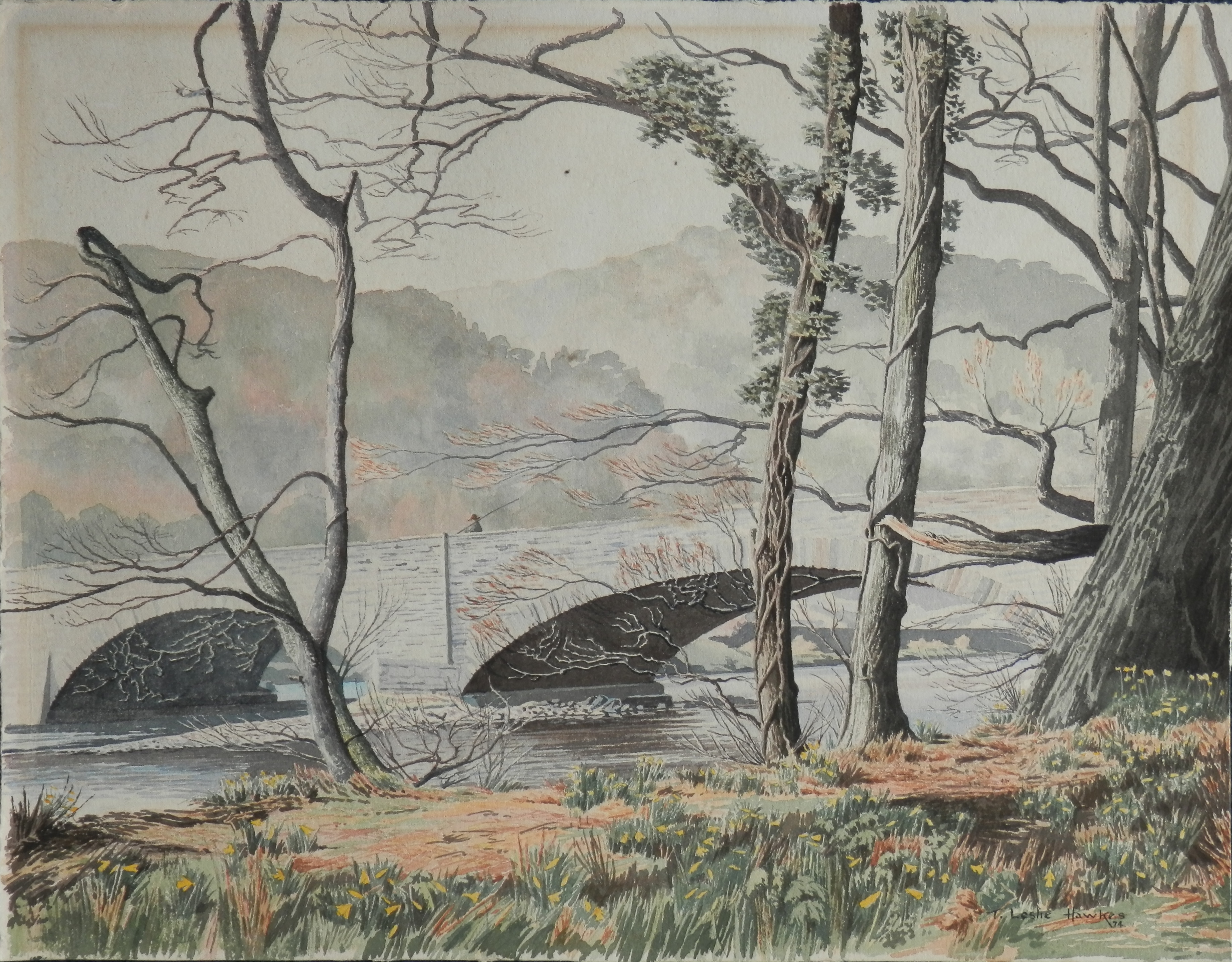
Daffodils at Duddon Bridge watercolour by T Leslie Hawkes 1974

Daffodils at Duddon Bridge
watercolour by T Leslie Hawkes 1974

I love the subtle use of colour.  The Lake District is one of the most beautiful areas in England and a very popular site for holidaymakers.  Wonderful scenery, lots of history and plenty of things to captivate and stimulate ones mind and body.  For artist and non a joyful place to the eyes and spirit.

To finish, a #stippleengraving (which I think is under-appreciated art-form) that I acquired this week.  Wonderfully coloured with some hand finishing.
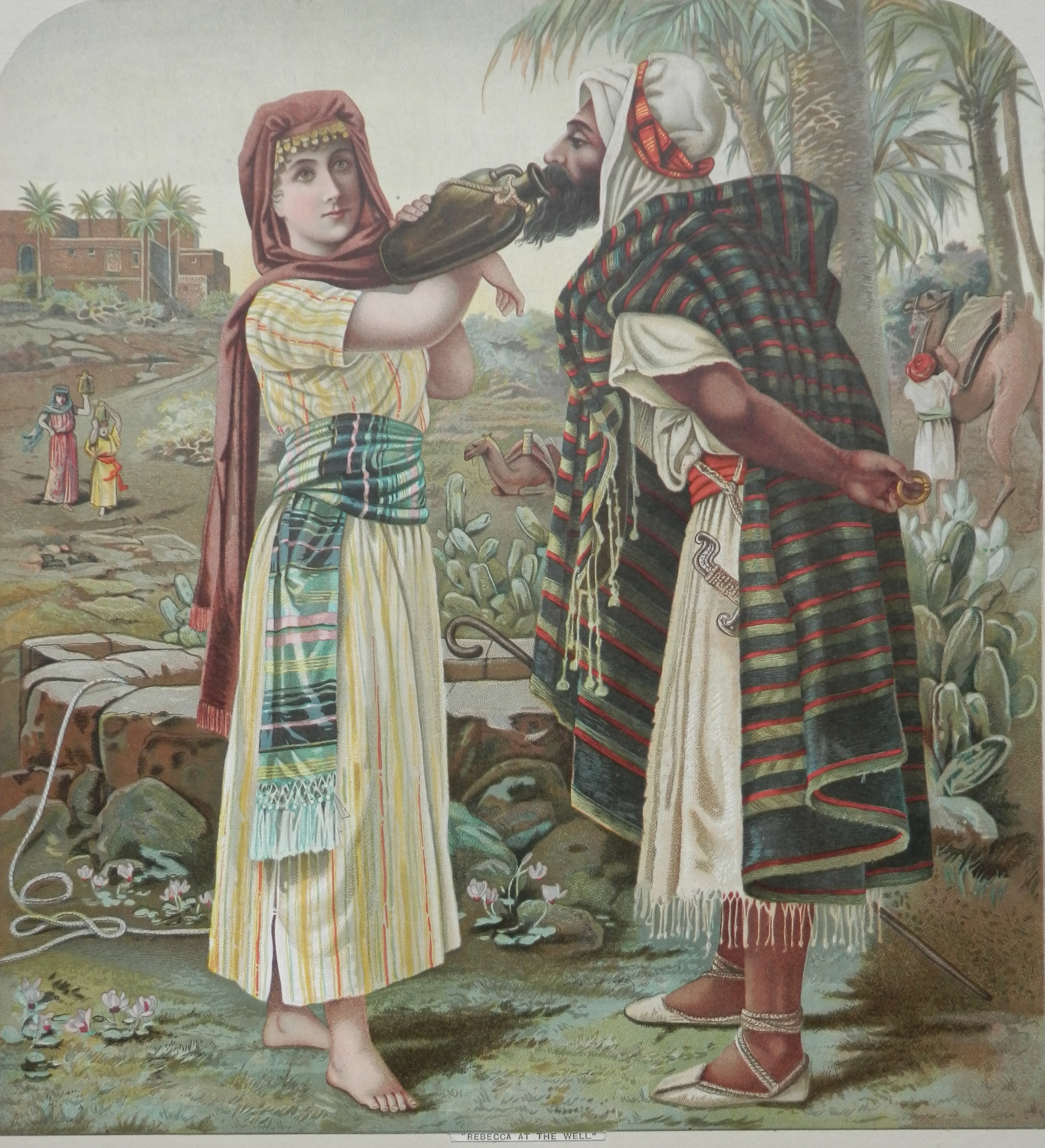
Rebecca at the Well stipple engraving unknown artist - 19th century?

Rebecca at the Well stipple engraving
unknown artist – 19th century?
 

Posted in Etching, Watercolour paintings | Tagged , , , , , , , , , , , , , , , | Leave a comment

Art of George Fall

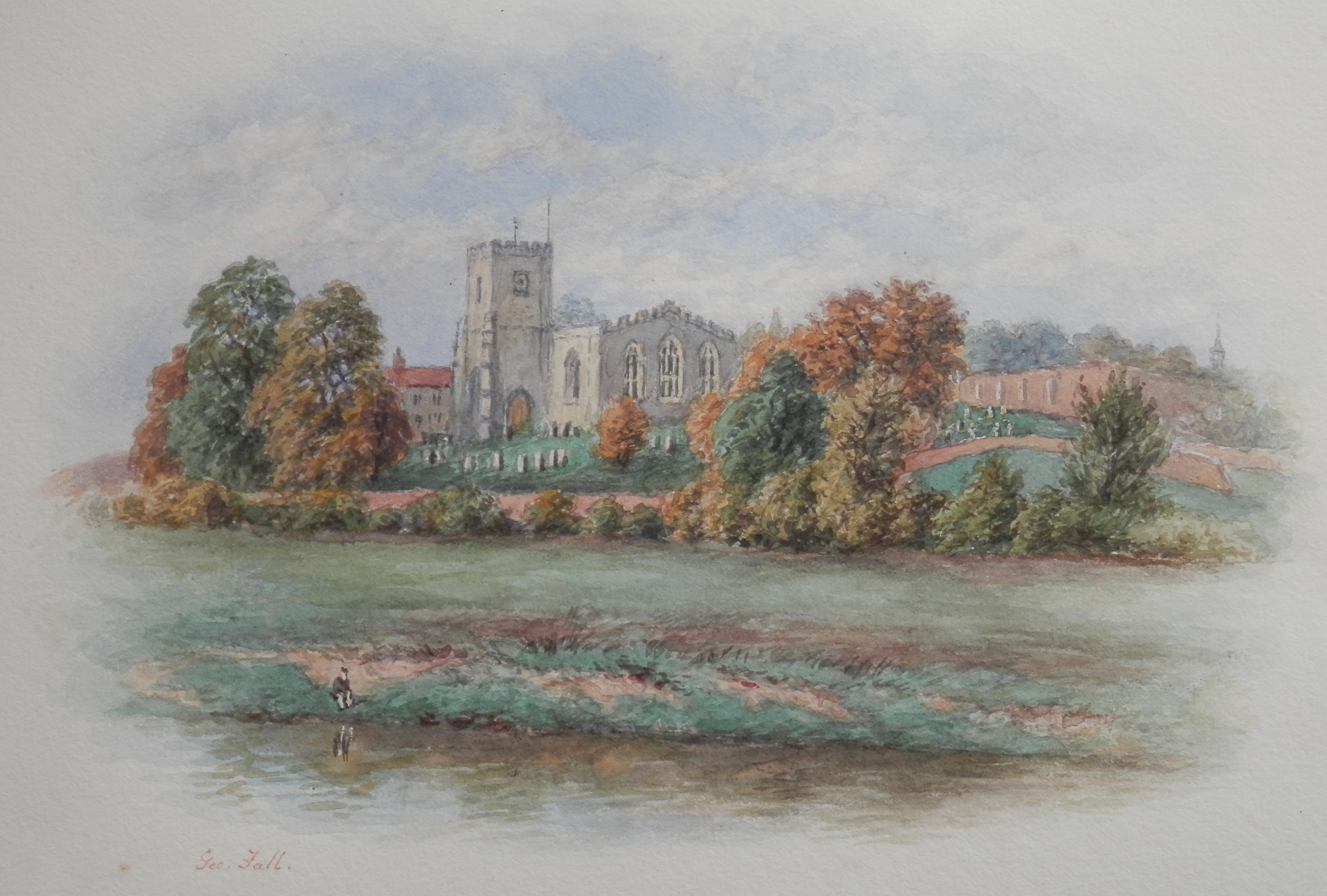
In an earlier chapter, I talked about an artist by the name of #GeorgeFall.  The piece I talked about was unsigned and I speculated that it might have been by George Fall (1848 – 1925).  Today, I came across three George Fall watercolours.  Not in perfect condition ( a few age spots) but still very fine condition.

St Peter's Church, Brafferton  watercolour by George Fell

St Peter’s Church, Brafferton
watercolour by George Fell

I did not recall George Falls name when I acquired the paintings and bought them because I thought them lovely and possibly 40 years old.  They turn out to be over 90 years old.  Born and raised in York, Fall was a detailed topographical painter who studied at Selby and then the York School of Art and Craft.  A wonderful watercolourist although he is also well known for portrait oil paintings.

Specialising in York vignettes, Fall also worked in Durham and painted other cityscapes.  His subject scenes are found all around the Yorkshire and Durham areas.

St Peter’s stands on rising ground to the north-west of #Brafferton village and between it and the Swale, both the school and vicarage are nearby.

Brafferton Parish School watercolour by George Fall

Brafferton Parish School
watercolour by George Fall

Pilmoor Mission Church watercolour by George Fall

Pilmoor Mission Church
watercolour by George Fall

#PilmoorMissionChurch was erected in 1878 at a cost of £300.

Three finely portrayed scenes from Yorkshire life past.  I love Fall’s use and choice of colours.  His accuracy in detail is impressive and give his works a  true to life feel.  A talented artist indeed.

Posted in Watercolour paintings | Tagged , , , , , , | 1 Comment

Art of Simple Things

As spring rises from it’s slumber, we see beauty unwrapping itself before our eyes.  The exquisite beauty of a tulip or iris in springtime brings forth in ourselves the feeling of being unencumbered which winter can laden us with.  The budding of a tree reveals life in it’s freshness – the beginnings of a new cycle.  I love the simplicity which artist’s can capture in their works.  Simple works need not  be filled with much movement and surplus material.

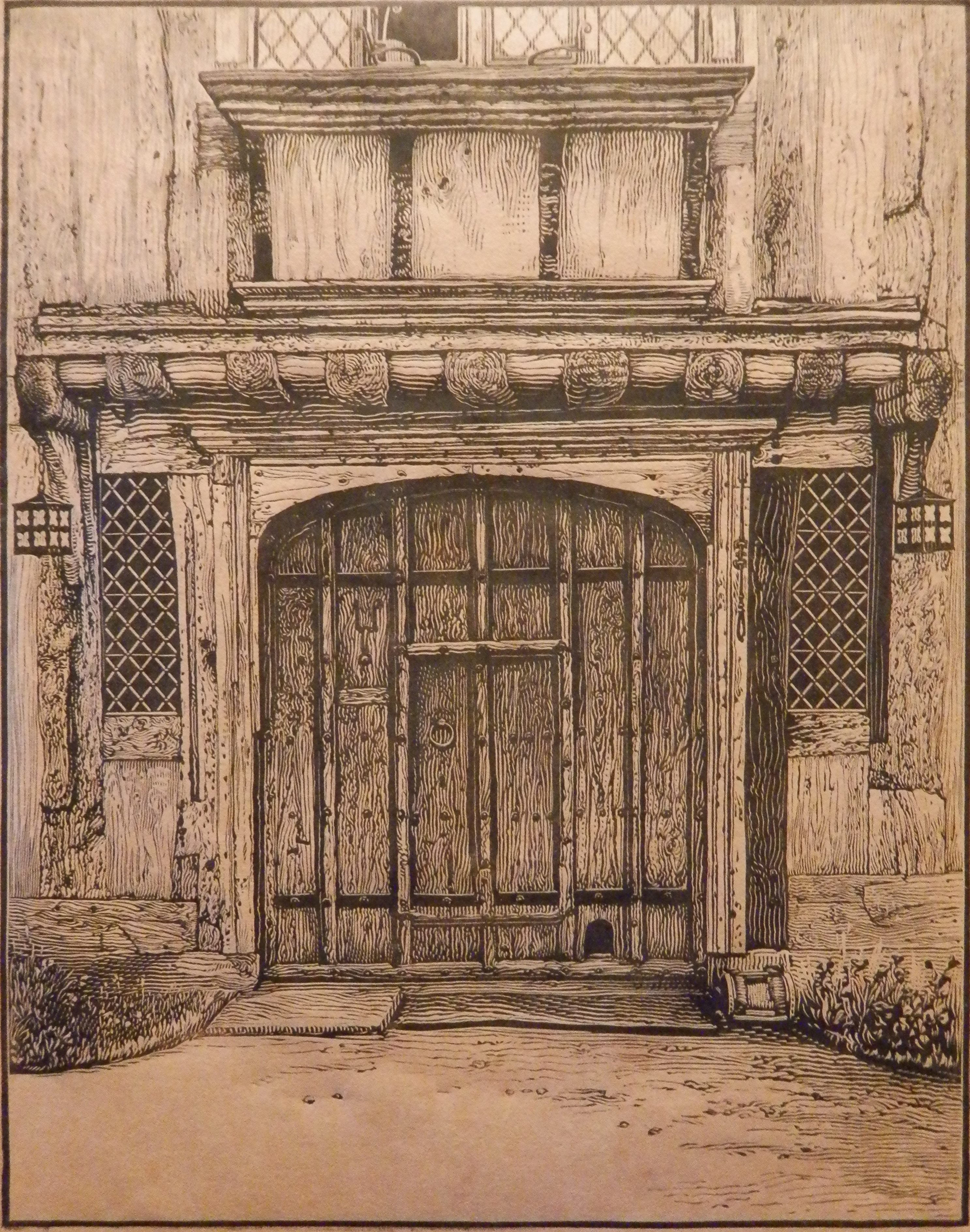
Door Within a Door artist unknown - woodcut?

Door Within a Door
artist unknown – woodcut?

The idea of displaying the beauty found in an entranceway may be somewhat odd but this artist has chosen such a spectacular entrance that there is much beauty to be found.  Unsigned and untitled – I know not where this doorway is to be found – but I know that if I were to pass – I would stop and admire.  A door within a door plus a door!  Living near the town of Cambridge I have imagined this door to be an entrance to one of the colleges.  For a door within a door means a courtyard within.  A courtyard within means an inn or college grounds or even a church close.  And a door for the pet of the college or close shows a care offered to all the inhabitants both human and animal.

A superbly detailed engraving showing the grain and whorls found within the wood which makes up the door and structure of the residence.  The flowers grow in their beds, the leaded glass windows  reveal what is without, the boot scraper at the bottom of the right door post , the bell pull to the right of the main door – all show a place well cared for – maybe even a place of some import.

Birds and a Bee signed AEP - Amy E P?

Birds and a Bee
signed AEP – Amy E P?

The beauty of this etching comes from it’s simplicity of line.  It has a simpleness and clarity that gives voice to its’ beauty.  Not business but a descriptiveness of a single moment dissolved into its’ main characters is what gives this etching its’ beauty.  I think this etching even more beautiful now than when it was printed – as the paper has aged and coloured – enduing it with warmth of feeling  and depth of presence.

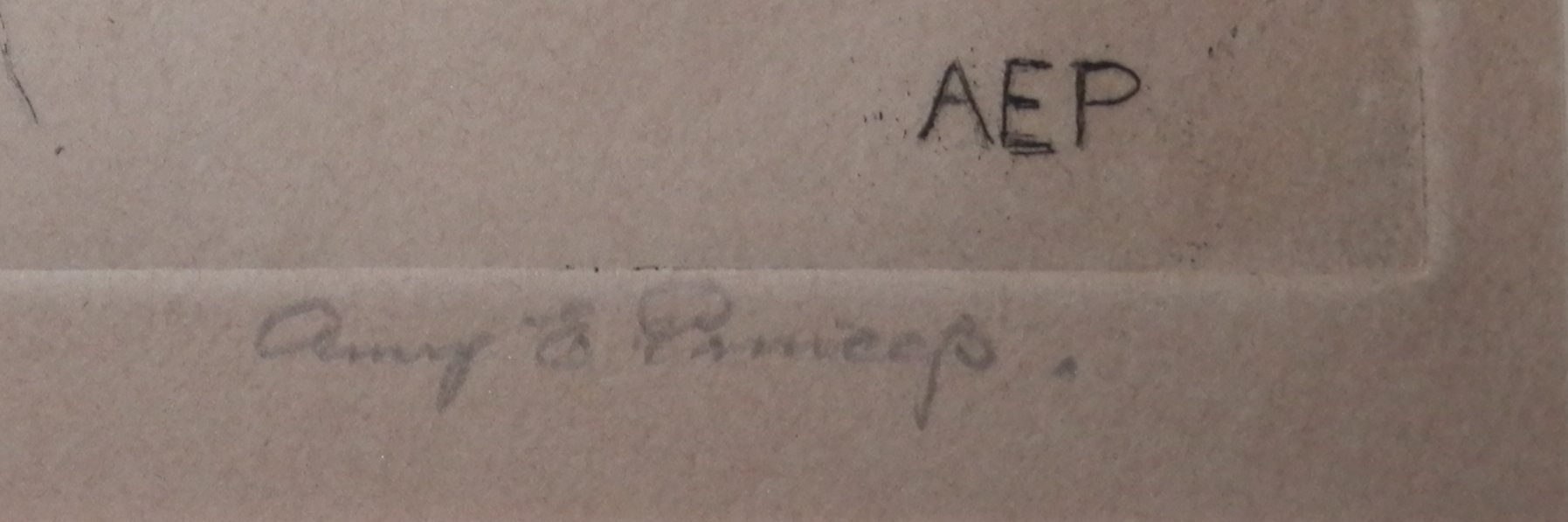
AEP Amy E P?

AEP
Amy E P?

I wish I could interpret Amy’s last name so that I might give her the credit that she truly deserves for such a wonderful work – maybe my readers might have a go at deciphering her name.  If not please just enjoy two very fine artworks born of simple thought and described in the simplicity of beauty.

Posted in Etching, Lino/woodcuts | Tagged , , , , , , , , , , , | 2 Comments

Art from a War Artist

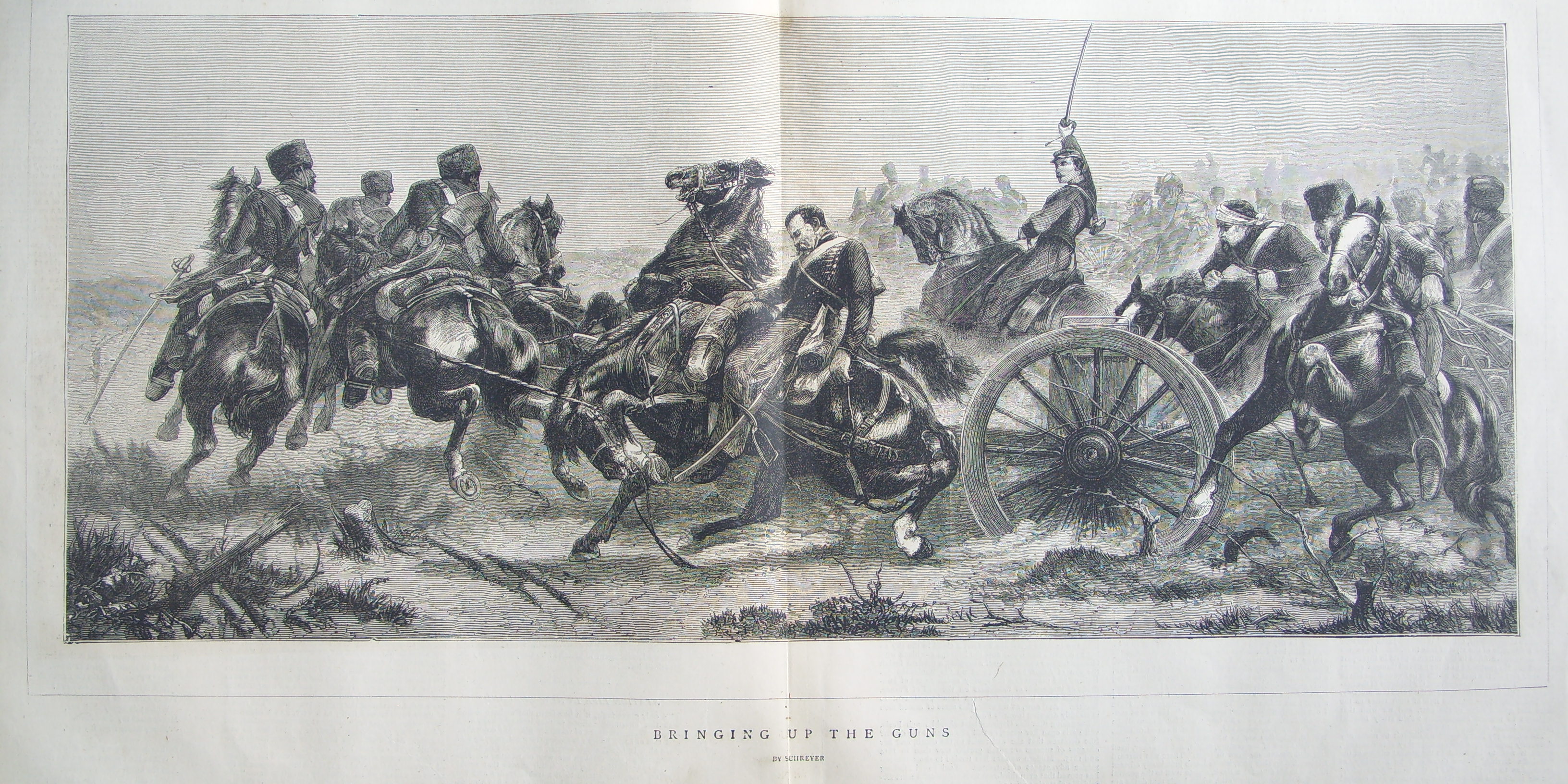
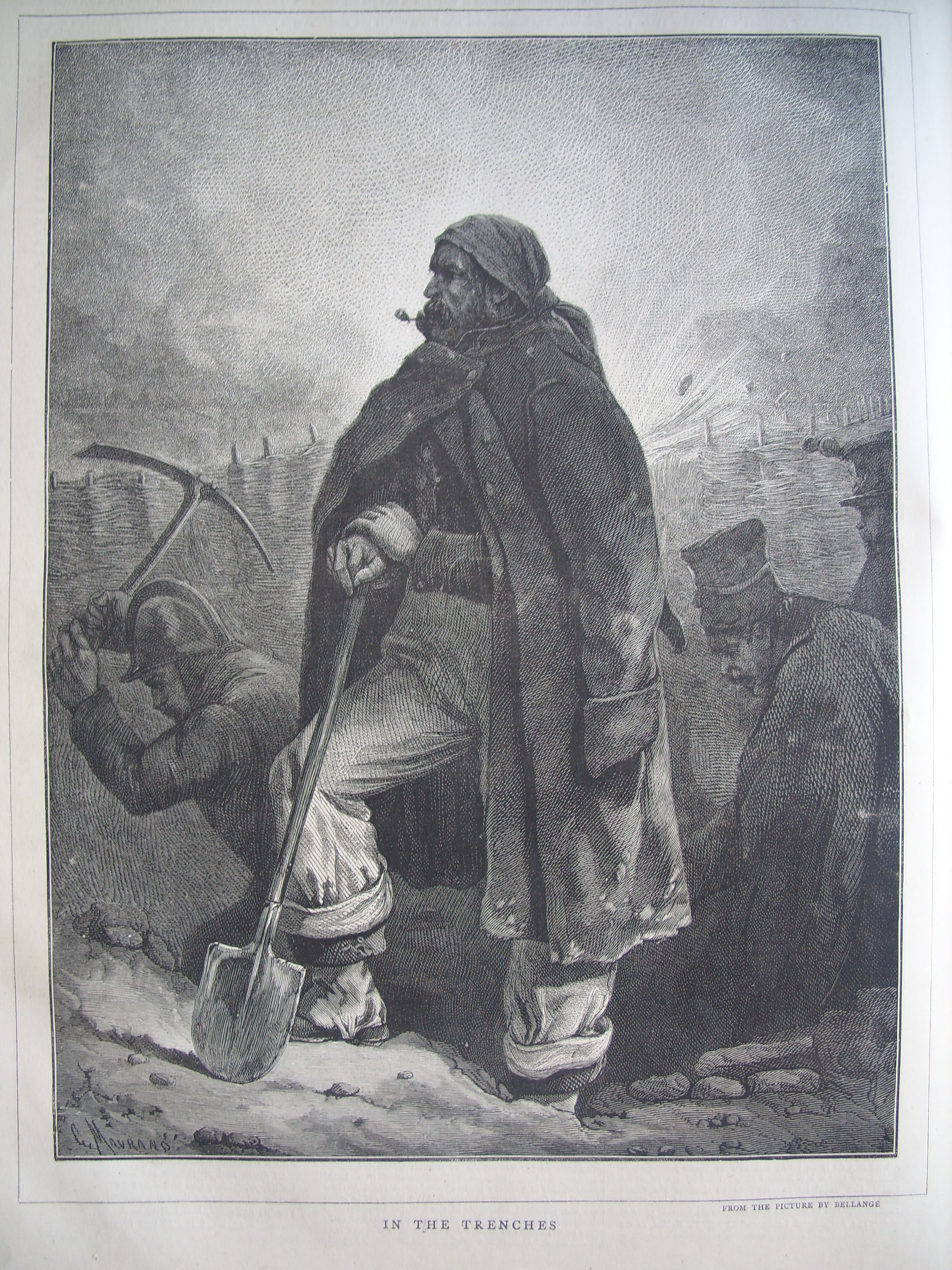
Throughout history there have been writers and artists who have journeyed to the front lines to report on the conflicts.  Artists like William Simpson and Paul Mansard and so many others travelled with the troops to keep the public at home informed.  Now-a-days we have satellite feeds, internet broadcasts, and live TV and radio feeds but in years past reporters used land mail, sea mail, and pigeons to return their stories to their papers.

Bringing Up the Guns by Schreyer for The Graphic Illustrated 1870

Bringing Up the Guns
by Schreyer
for The Graphic Illustrated 1870

Artists like W L Wyllie, William Lionel Wyllie, CW Wyllie, Sydney Hall, Henri Lanos, J Nash, John Charlton, H M Paget, Frank Dadd, Caton Woodville, R Weguelin, Chas E Fripp, Frank Brangwynn, Phil May, Alexander Boyd, James H Dowd, Harry Furniss, Ernest Prater, Leonard Raven-Hill, J C Dollman, Edmund Sullivan, George Stampa, Sidney Sime, Bert Thomas, Charles Johnson “Snaffles” Payne, and F H Townsend and many others drew for #TheGraphicIllustrated.  Some became famous artists in their own right – some became household names but each in their own time were important artists in the illustrating of the news of their days. A few lived through the conflicts of their time.

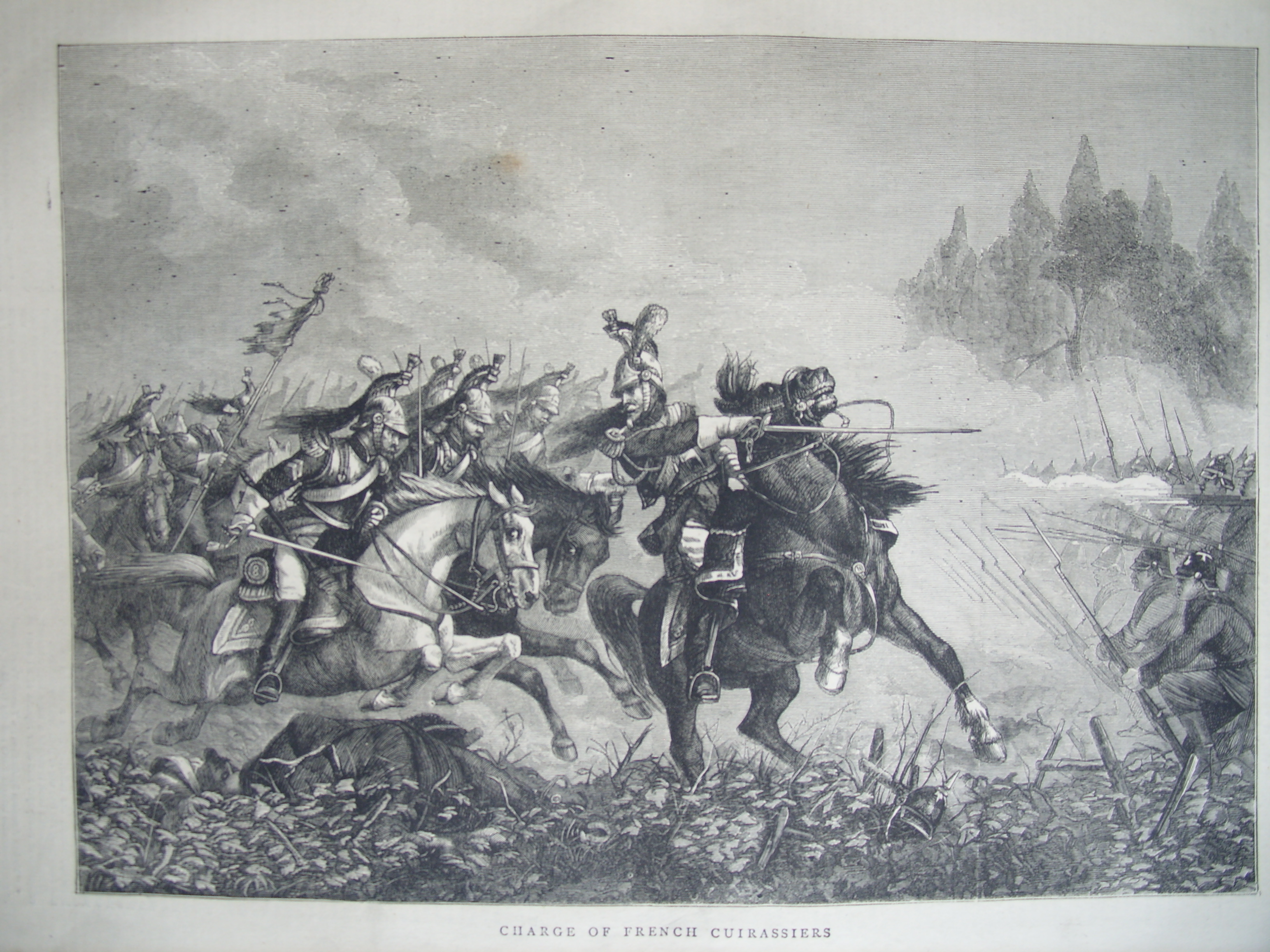
Charge of the French Cuirassiers for 'The Graphic Illustrated' 1870

Charge of the French Cuirassiers
for ‘The Graphic Illustrated’ 1870

The strife of war and the images of battle brought home not just by the written word but by image.

The utter  devastation of the conflict brought into the home for all to read and see.

Bravery, strength, despair, futility, fear, the mud, the filth – described in word and image.

In the Trenches for 'The Graphic Illustrated' 1870

In the Trenches for ‘The Graphic Illustrated’ 1870

But in the end war brings

death,

destruction,

and defeat

– even for the winners in some aspects.

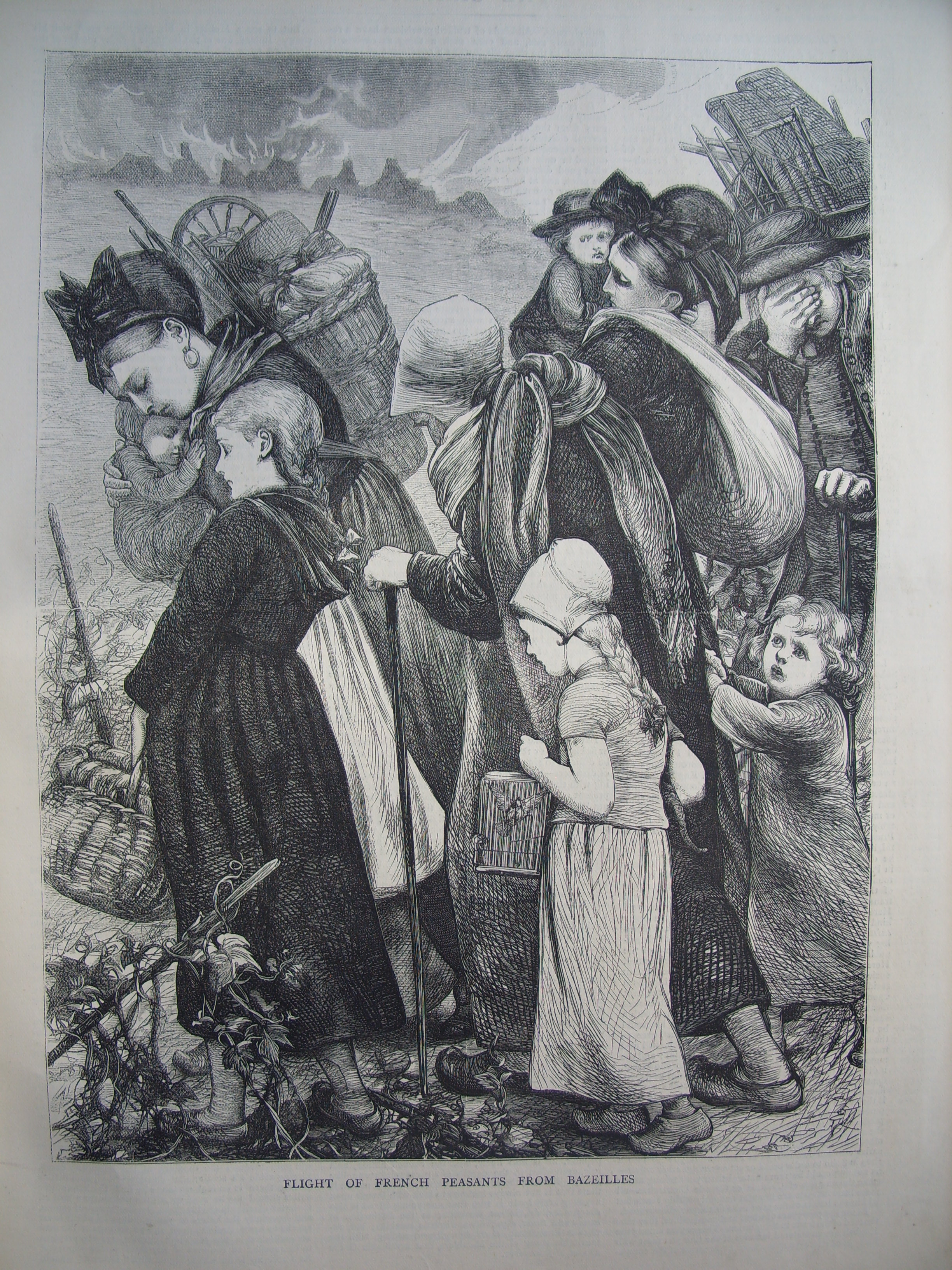
Flight of French Peasants from Bazeilles for 'The Graphic Illustrated' 1870

Flight of French Peasants from Bazeilles
for ‘The Graphic Illustrated’ 1870

Memory of those who were displaced or fled from conflict only to suffer in doing so should not be forgotten.

Innocents devastated by war.

This year we remember the onset of WWI.  Let us not forget the sacrifice of those brave men and women.  For it will be at our own peril.

Lest we forget.

Posted in Etching | Tagged , , , , , | Leave a comment

Art of the Sigillum

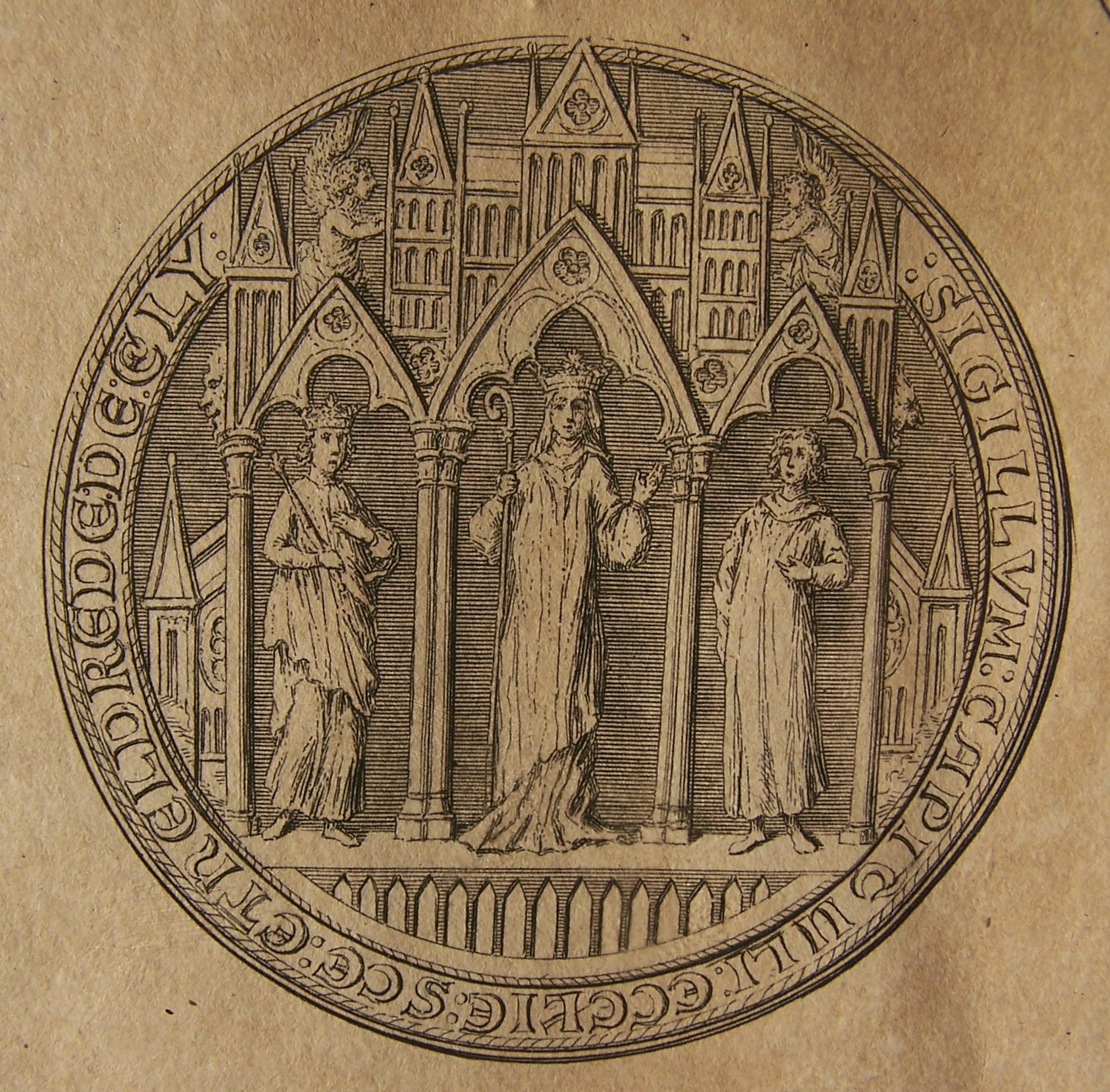
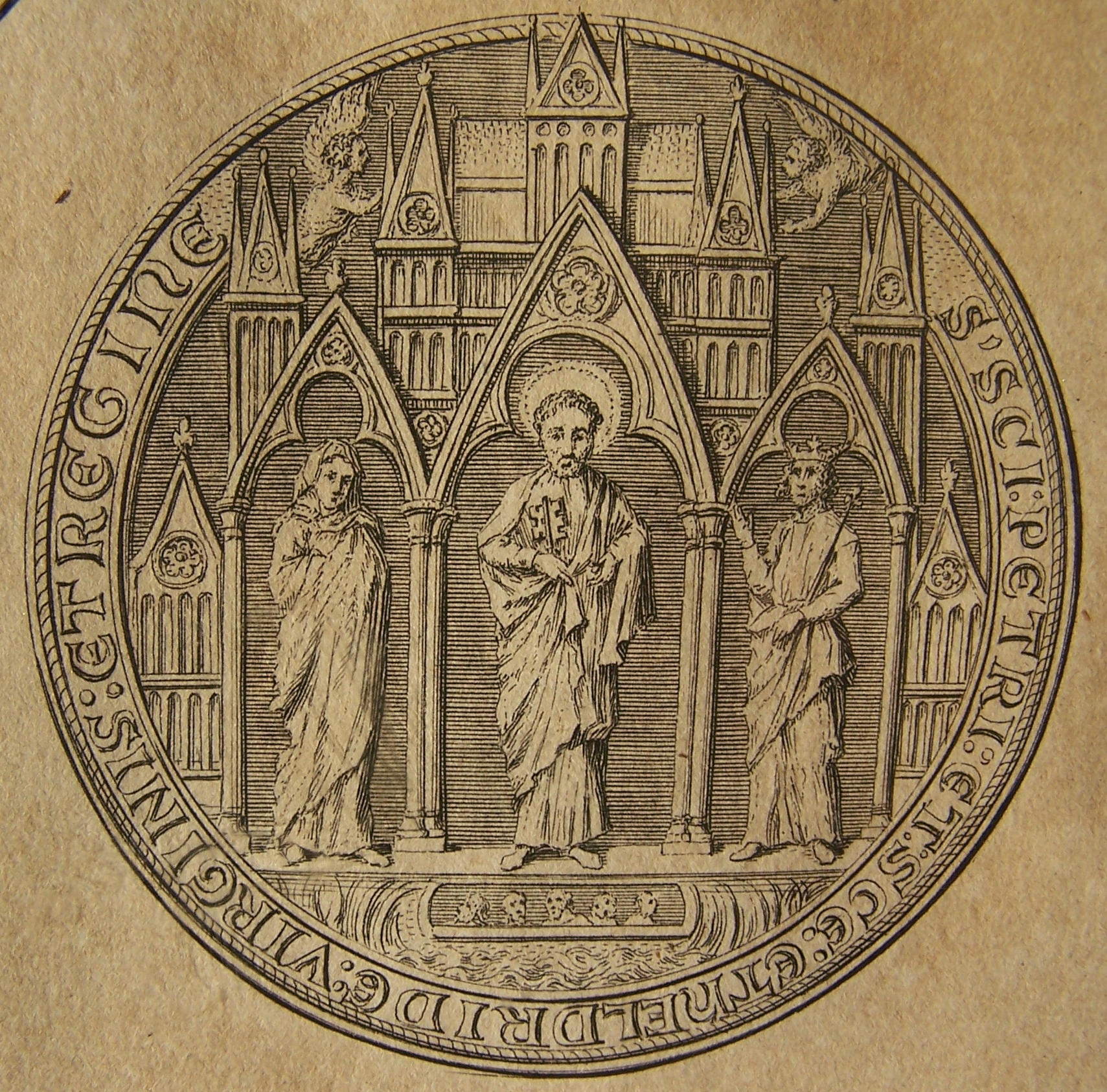
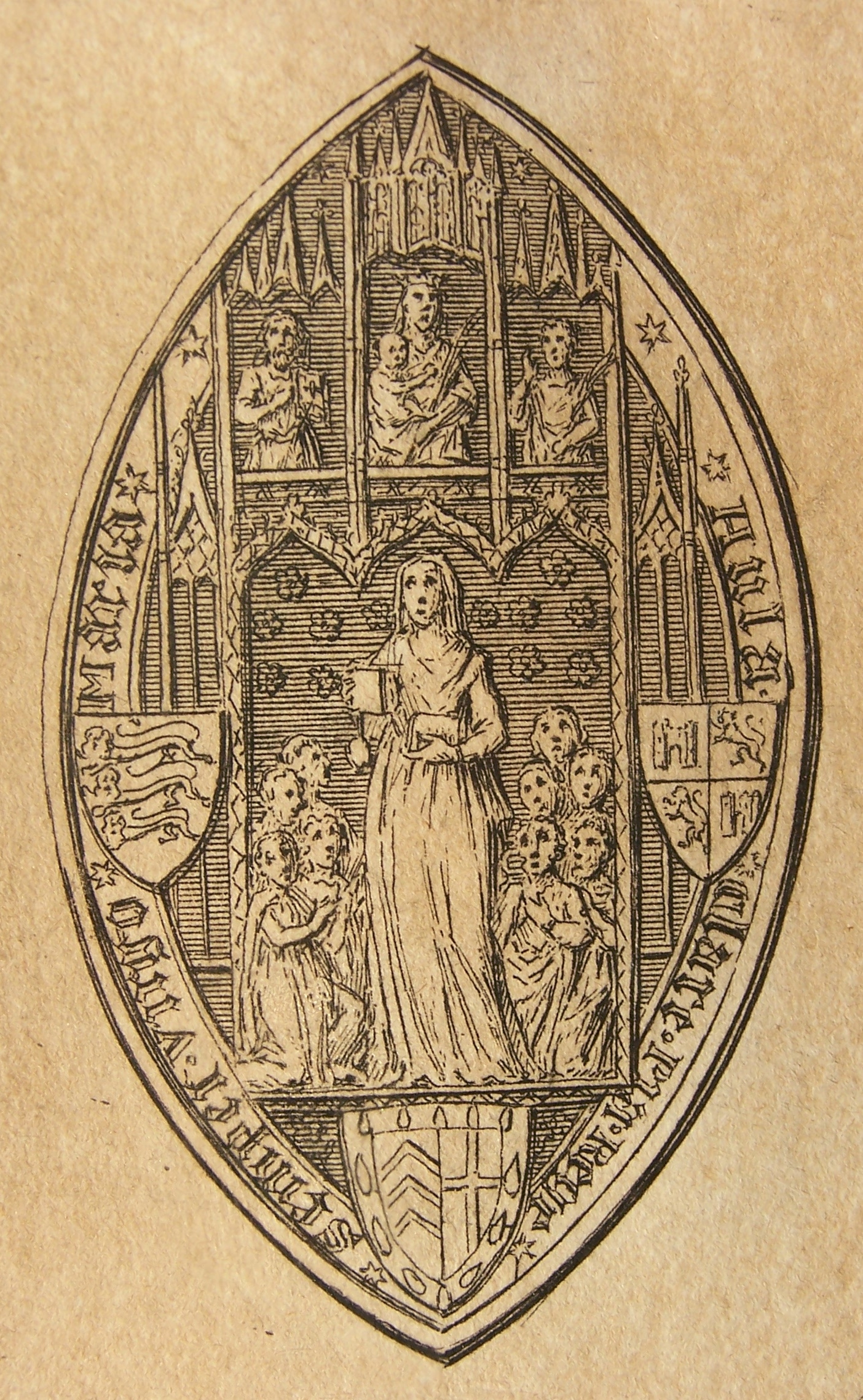
In my collection of old prints I have the image of two sigilli or seals. A sigillum is a device for making an impression in wax, clay, paper, or some other medium, including paper. It is also the impression which is made.  Originally used to authenticate a document or its wrapper or possibly a package holding valuables or other objects.  Most seals have always given a single impression on an essentially flat surface, but in medieval Europe two-sided seals with two matrices (faces) were often used by institutions or rulers (such as towns, bishops and kings) to make two-sided or fully three-dimensional impressions in wax, with a “tag”, a piece of ribbon running through them. These “pendent” seal impressions dangled below the documents they authenticated, to which the attachment tag was sewn or otherwise attached (single-sided seals were treated in the same way).  The importance of the seal as a means of authentication necessitated that when authority passed into new hands the old seal should be destroyed and a new one made.

Sigillum of Ely Cathedral - side A

Sigillum of Ely Cathedral – side A

Sigillum of Ely Cathedral - side B

Sigillum of Ely Cathedral – side B

We see the #ElyCatherdalChapterSeal – the sigillum of #Etheldrda foundress of the monastic community at #Ely which later became the site of the bishop’s throne making Ely a cathedral.  I can find little information on the seal and so believe it lost. I have found only one image of this seal on line and it is a very poor image itself.  There is one more sigill on the print and that is the seal of Clare College in Cambridge.  possibly a single sided seal for only one side appears to be imaged.

Seal of Clare College, Cambridge

Seal of Clare College, Cambridge

Sigillum of Ely Cathedral and Clare College

Sigillum of Ely Cathedral and Clare College

Together on a very old page, they are part of history – images from history which are rarely seen today.

Posted in Etching | Tagged , , , , , , | Leave a comment

Art from Harrow

Today, Harrow is part of the greater London area but from this etching by #EdwardDuncan, one would be hard pressed to see that.  Edward Duncan (1803-1882) was a superbly skilled artist in his preferred media – that of watercolour.  In addition to his early training as an engraver, he trained in oils as well.  Duncan’s drawings comprise a wide range of subjects, treated with finesse and truthfulness to nature, but his best known works depict coastal scenery, with shipping and craft elegantly presented.

Harrow-on-the-Hill etching by Edward Duncan @ 1840

Harrow-on-the-Hill
etching by Edward Duncan @ 1840

Harrow’s name comes from Old English hearg = “(heathen) temple”, which was probably on the hill of Harrow, where St. Mary’s Church stands today.  You can see St Mary’s with its tower reaching up over the town.  In the front of the church one sees another chapel with a shorter spire.  This is the chapel of the famous Harrow boys school which was founded in 1572 and grew slowly until the railway was built at which point it expanded quickly and today boards some 814+ students.  Duncan’s most sought-after works are his coastal scenes, but he also specialised in southern counties landscapes, often populated with animals and farms.  His watercolours are amongst the most technically defined and detailed paintings of the period.  This etching of #HarrowOnTheHill is of superb quality.  Wonderfully rendered.  Accurately portrayed, it exudes a warmth and peacefulness which only rural life can.  Sheep graze, farmers harvest, people stroll in a lush and verdant countryside.  A beautiful rendering.

Posted in Etching | Tagged , , , , , , , , , , | Leave a comment

Art of JMW Turner Or Not?

Recently, I went to the #AshmoleanMuseum in Oxford with a friend taking with us a watercolour painting. I did so as an an amateur art lover to compare it with the Turner painting which the Ashmolean holds. So here I present my musings on comparing the two pieces.

St Julian's, Tours 1832 watercolour - JMW Turner?

St Julian’s, Tours 1832
watercolour – JMW Turner?

St Julian's, Tours circa 1826-30 by Joseph Mallord William Turner 1775-1851

WA1861.34 Joseph Mallord William Turner
‘The Church of St Juliaen, Tour’ © Ashmolean Museum
University of Oxford

I present to you on the right/below #JosephMallardWilliamTurner – #St.Julians,Tours – which resides in the Ashmolean Museum in Oxford and on the left the watercolour which went with me to Oxford for comparison.   It has been suggested that the one on the above/left is a copy – I am not yet convinced of that idea.  It is possible for the Turner to have been copied since it was not given to the nation until 1861 – leaving roughly 30 years in the public domain for it to be copied – once in the national collection not likely but Turner liked to keep every little scrap of his work in his own possession.  Here are my musings for the painting on the left.  Firstly, the accuracy of the image in all details tells me that it likely was Turners hand which painted it.  The difference in the definition in the church architecture much of which is done in graphite or pencil is not for Turners sake or even the sake of the picture but was in fact for the etcher W. Radclyffe.  The variation in colour is definitelty a day night shift.  It is historically known that the picture was altered into a night scene for the engraving.  If you are copying something not only accuracy of image but also accuracy in colour are essential – here the colour is so different to suggest it is not a copy.  I believe the Ashmolean ‘Turner’ to be this altered version from which Turner and Radclyffe collaborated to produce his etching in 1833.  If that is so where is the day time version which Turner painted?  Is it the one I brought to Oxford?  I also find the obfuscation or haziness of the cathedral to be extremely Turneresque – the archectural lines of the church are still very exact.  Also the painting which came with me is very slightly larger than the Ashmolean -also known that the night version was somewhat reduced in size- but if mine is a copy how does one know how to finish off the top of the church towers unless one has actually been there.  Of course for my friends sake authenticity will have to be proven but not by my musings.  I hope you have enjoyed my musings and why not compare the images yourself.  I must thank the Ashmolean  staff for their welcome and assistance.  It was amazing to see and hold so many Turners in my hands.  An art lovers extreme moment.

Posted in Watercolour paintings | Tagged , , , , , , , , , , | Leave a comment

Art of Travel

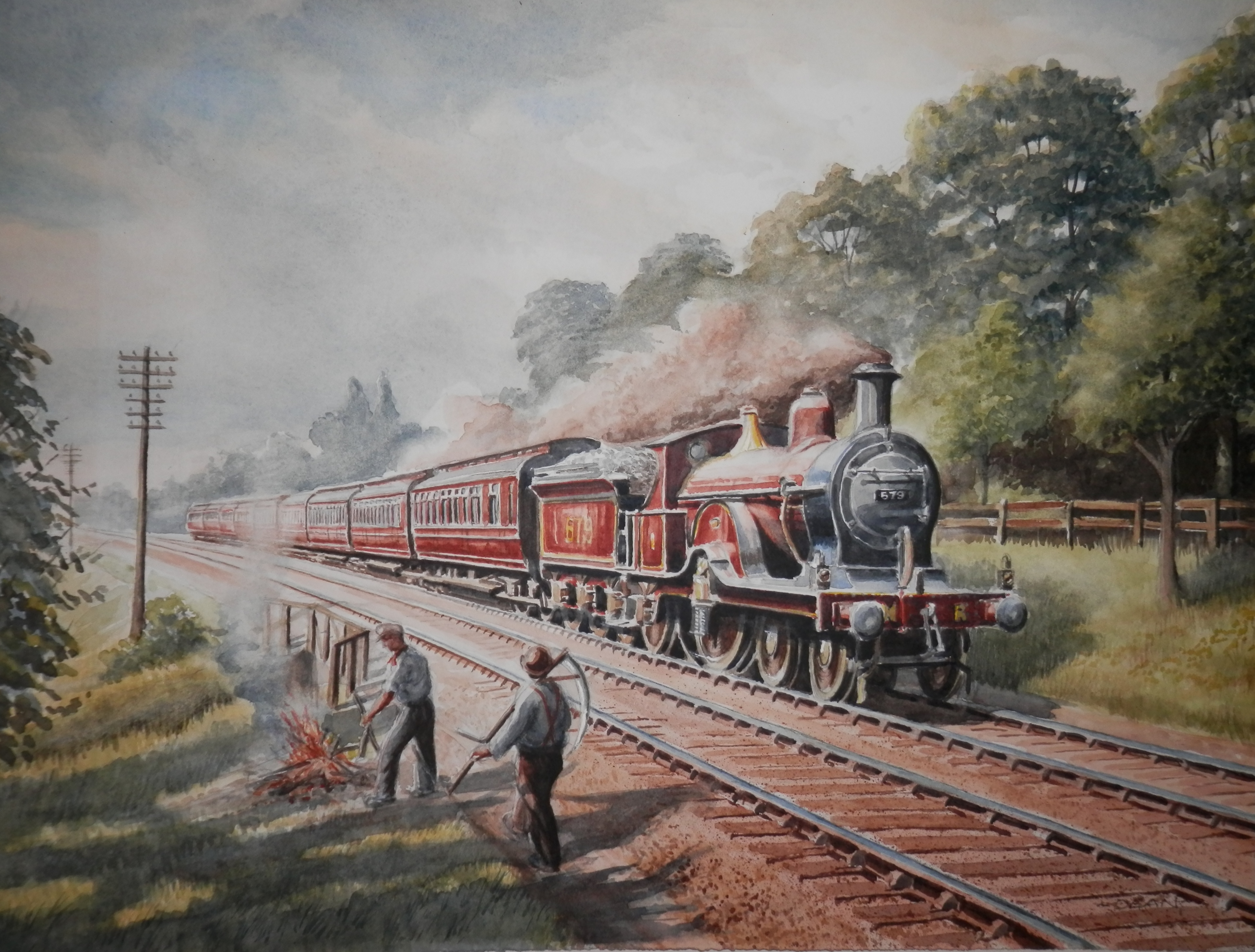
Certainly, in this country as well as many others, the rail-road has been and still is a large part of the industrial framework and development of society.  A way to move not only freight but people too.  And the workhorses of the rail-way is the locomotive.  Once driven by steam – now propelled by electricity or diesel. Watercolour paintings by #DEAN

HR 679 watercolour by DEAN

HR 679
watercolour by DEAN

This mighty engine has, I think an H and an R on the front which would mean it was part of the #HighlandRailway but that would mean its’ colour should have been green. These mighty beasts were the most powerful main line engines in the country. Originally intended principally as freight engines, they were often called upon for passenger duties especially during the fluctuations of traffic which occurred on the Highland Railway during the summer season.  Fifteen were built, and one has survived to preservation.  It was restored to working order in 1959 then spent a number of years ferrying train enthusiasts on tours and also appeared in the 1965 film ‘Those Magnificent Men and Their Flying Machines’ It went into retirement in 1966 and is today in the Glasgow Museum of Transport.

Locomotive 50469 watercolour by DEAN

Locomotive 50469
watercolour by DEAN

No. 6000
.
“His body black as Erebus
……..Accorded with the hue of night;
His central eye self-luminous
…….Threw out a cone of noon-day light,
Which split the gloom and then flashed back
The diamond levels of the track.
No ancient poet ever saw
Just such a monster as could draw
The Olympian tonnage of a load
Like this along an iron road;
Or ever thought that such a birth–
…..The issue of an inventor’s dream–
…..With breath of fire and blood of steam,
Could find delivery on this earth.”
.
E. J. Pratt

Posted in Watercolour paintings | Tagged , , , , , , , , | Leave a comment

Art by Pencil

The art of pencil and charcoal drawing is something which we do not see a lot of nowadays but there was a time when it was very popular and even main stream.  Prior to photography becoming a viable art form one would have to hire an artist to produce a portrait of ones self.  I have a few portraits done in pencil/charcoal and we begin this chapter with an artist’t self-portrait.

James Paterson self-portrait Edinburgh, 1906

James Paterson
self-portrait
Edinburgh, 1906

#JamesPaterson (1854 – 1932), was a Scottish landscape and portrait painter associated with The Glasgow Boys movement of artists.  He is best known for his landscape paintings of Dumfriesshire, where he lived, at Moniaive.  Paterson spent more than 22 years in the area painting the Nithsdale and Ayrshire hills, the Solway Firth and the local river and burns, capturing the elusive colours and light inherent in the Scottish countryside.  After settling in Edinburgh in 1906, James Paterson drew several accomplished portrait sketches of high-profile contemporaries.  This self-portrait drawing is a good example of his characteristic style as a draughtsman.  He uses hatching to model the face and give it depth.  Paterson strongly believed in the ‘intimate study of nature’s varied features’ and in giving a real rather than an idealised representation of it.  Paterson once declared that: ‘In comparison with drawing, as a means of penetrating and recording for oneself impressions … photography is of far inferior value.’

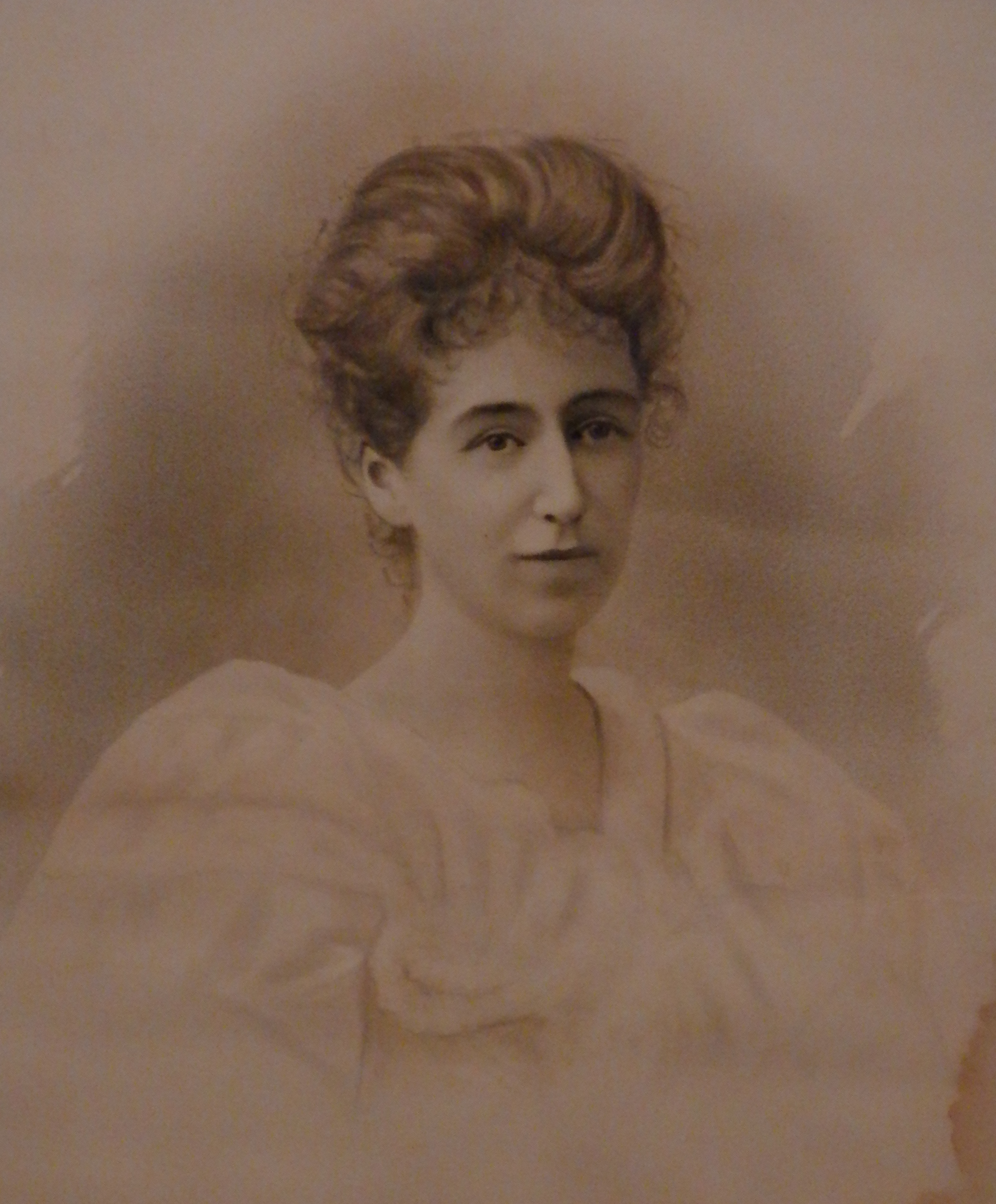
Portrait of a Lady unknown artist 1916

Portrait of a Lady
unknown artist 1916

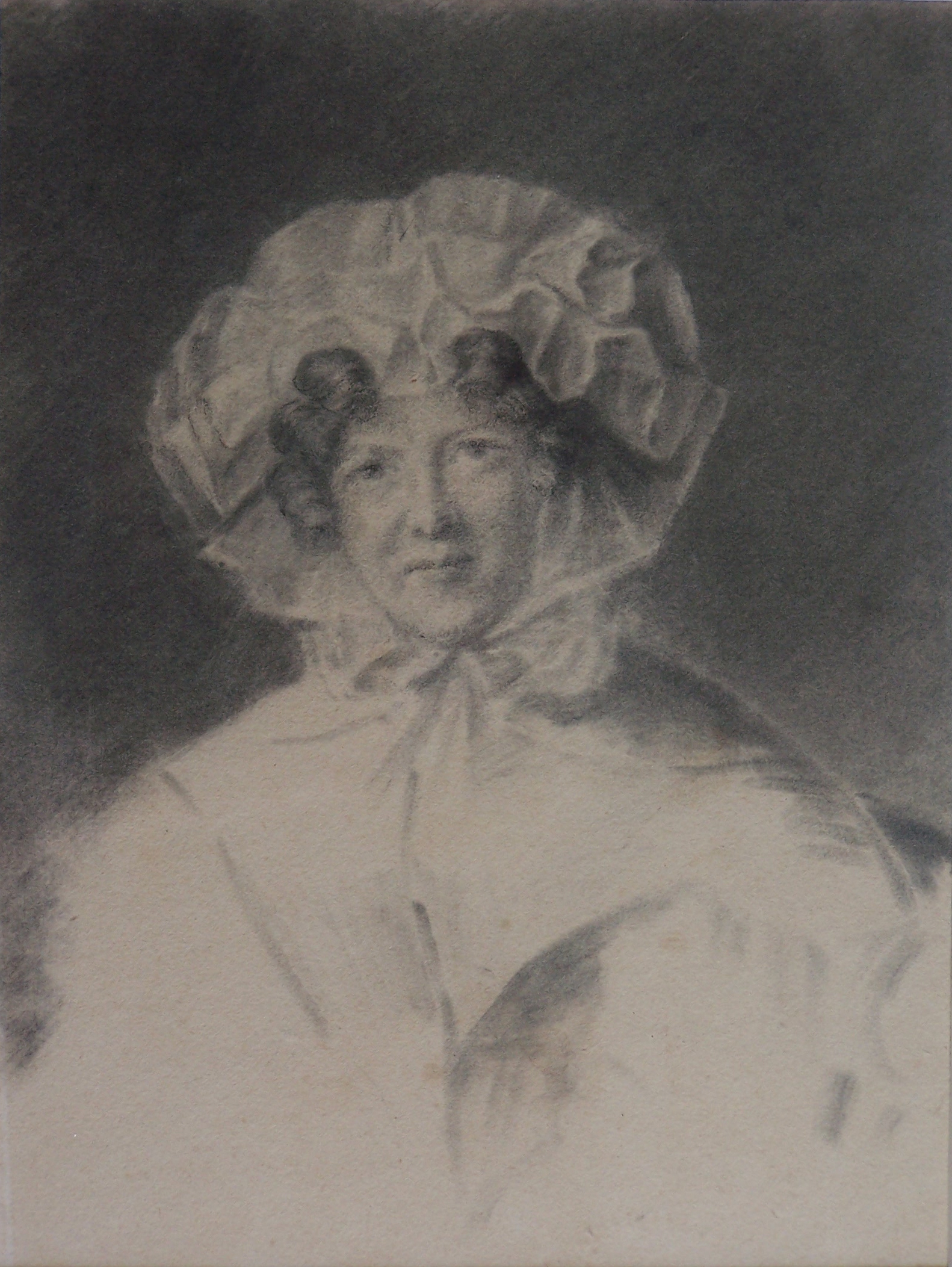
This wonderful portrait of a young lady was done in 1916.  It is initialled and dated on the reverse.  Sublime skills give this portrait a photographic appearance.  This drawing has very few lines but instead uses shading in its’ production.  A wonderful soft mellow touch with absolutely superb work around the eyes.  And to finish a portrait of a more mature lady by an unknown hand.

Lady's Portrait unknown artist and date

Lady’s Portrait
unknown artist and date

I hope you enjoy an art form which is not seen as often as was.

Posted in Drawings and Sketches | Tagged , , , , , , , | Leave a comment

Art of Recent Times

I find that I do not come across what one might call ‘modern’ art very often.  Many of the pieces that are in my collection are by recent or living artists but they might be considered to be in a more classical style.  I do have a number of pieces by artists and those pieces for me are in the field of modern art.  These pieces do not necessarily stretch the boundaries of art but they do require to some extent the viewer to expand their idea of art.  That is not as hard as it sounds if one is willing.  As with all my pieces, these have spoken to me, each in their own way.

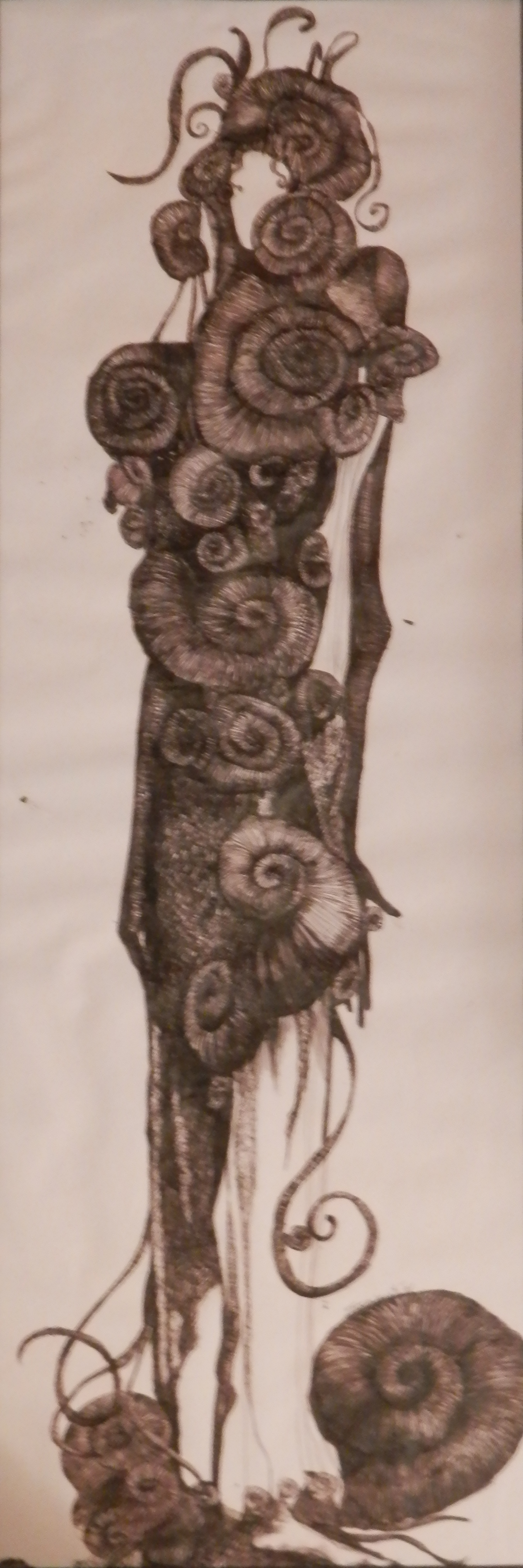
Untitled by Fioraventi 1991

Untitled
by Fioraventi 1991

A pen drawing to begin with by #Fioraventi.  Made of multitudes of spirals – seemingly random and yet to me I see a human form in the length thereof.  A design for a super-models catwalk attire or the doodling of a restless mind?  Even in its’ uniqueness, I find grace and ingenuity, design and randomness, obscurity and clarity.  A piece that does say look and see what I am, what I might be, what I can be.  I leave those answers to you for they are for you to decide.

The Face signed

The Face
signed

Next a watercolour of a face – no not face but a head and neck. One person or three?  Undefined yet, certainly, it feels as if they are looking at you.  Ochres, oranges and browns give warmth and not menace to these who look outward.

2 Lights by Justin Hawkes 2005

2 Lights
by Justin Hawkes 2005

#Justin Hawkes is an artist  whose works are richly coloured abstracts with landscape inferences.  A love of life resounds from the pictures. These are paintings, celebrations of landscape, which are both an illusion of three-dimensional space as well as a reality of colour on a flat canvas.

I hope you have enjoyed venturing with me into the world of more modern/abstract art.  Be daring the next time you visit a gallery. Stand and stare at a pieces.  Find out what they are saying to you.

Posted in Drawings and Sketches, Watercolour paintings | Tagged , , , | Leave a comment