It might seem odd, but not all engravings are done by hand. There is some dispute as to who first developed the machine. Some say it was an American by the name of #ChristianGobrecht (1785-1844), but others claim it was developed in France by #Achille Collas (1795-1859). This type of engraving is called an anaglyptograph and is created via mechanical means from 3D sculptures such as coins, medallions, plagues, etc. Here in England , the man best known for this type of engraving was #JohnBate. Little is known of John Bate, except that he acquired an anaglyptograph machine, redesigned it, and gained a British patent for it as if it was his own creation.

The beauty of this type of engraving is the superb accuracy of the image itself. In my collection, I have the engraving of ‘The Great Seal of England’ by #AlfredRobertFreebairn using one of John Bate’s machines.
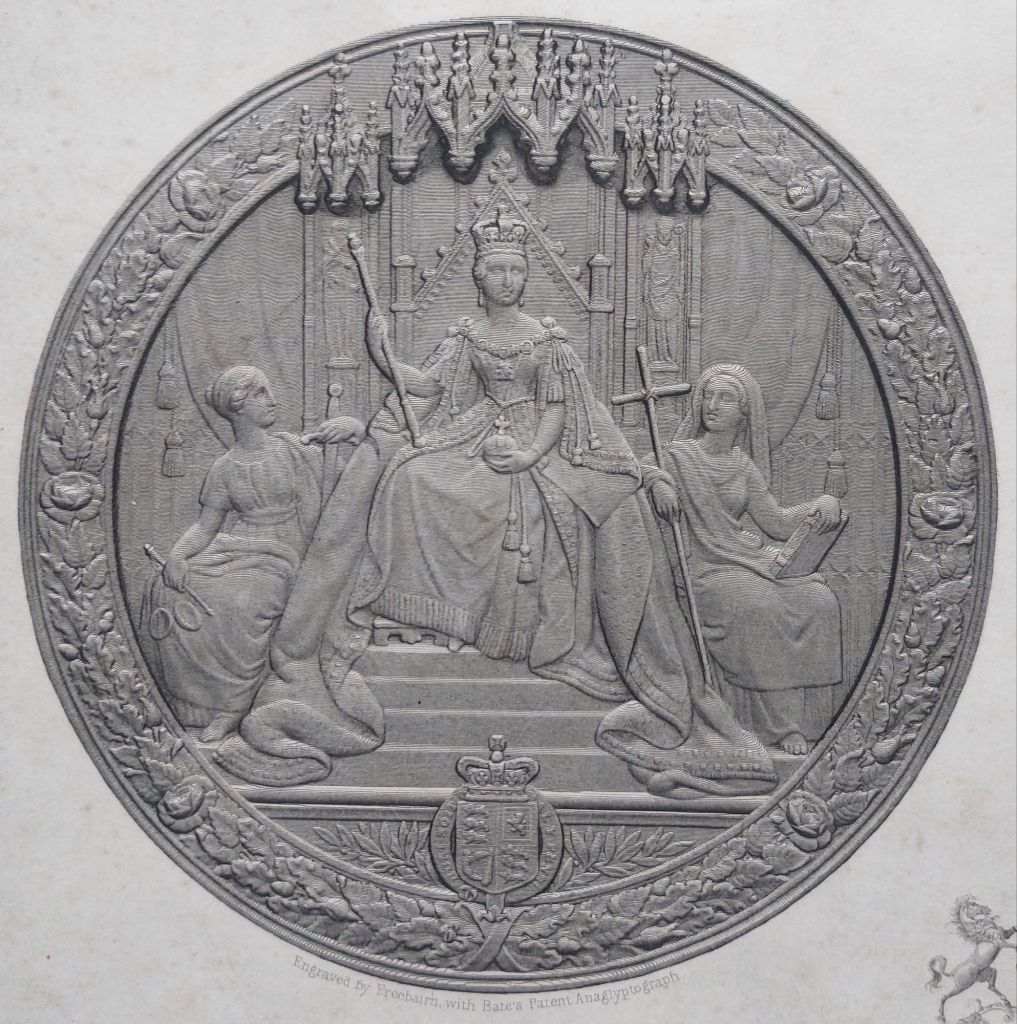
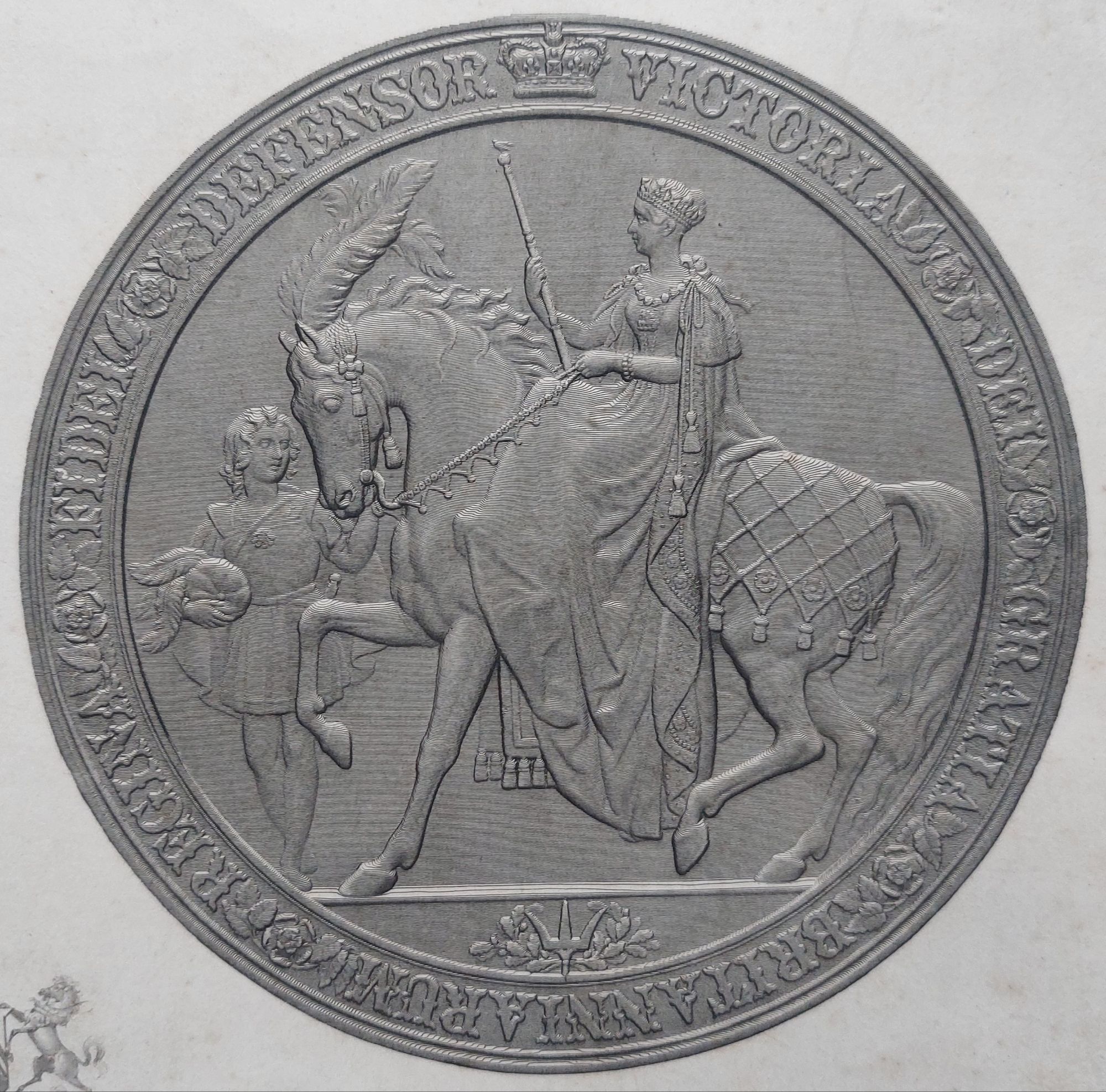
As one looks at the precision of the lines in spacing, one comes to a realisation that a machine travelling over an object might damage the object, thus harming its value. Often, copies of rare or important items were created, and those copies were then used in the anaglyptograph machine.


 ronsartblog